Difficult Airway Management: Clinical Strategy and Practical Algorithms
Irina K.ICU doctor, MD
15 min read·January 29, 2026
This article is for informational purposes only
The content on this website, including text, graphics, and other materials, is provided for informational purposes only. It is not intended as advice or guidance. Regarding your specific medical condition or treatment, please consult your healthcare provider.
A difficult airway is a clinical situation in which an anesthetist encounters anticipated or unanticipated difficulty at one or more stages of airway management:
Facemask ventilation;
Laryngoscopy;
Ventilation using a supraglottic airway device (SAD);
Tracheal intubation or extubation;
Emergency front-of-neck airway access (eFONA);
Maintaining ventilation.
Difficult airway management can have catastrophic consequences, including hypoxic brain injury and death within minutes. Other complications include aspiration of gastric contents, trauma to the airway and oral cavity, laryngospasm, bronchospasm, barotrauma, complications related to eFONA, and others.
Early recognition of a difficult airway, together with a clear, pre-planned airway strategy, helps minimize adverse outcomes and the associated morbidity.
Recognizing the Anatomically Difficult Airway
Assessment starts with a focused history and physical examination. Attention should be directed to airway features and to any other factors that may complicate airway management. The aim is to identify predictors of difficulty before airway intervention becomes necessary.
Objective: to predict the risk of difficulty with ventilation and tracheal intubation.
History
The history should identify factors associated with potential difficulty in airway management, including:
Impaired nasal breathing;
Snoring;
Obstructive sleep apnea;
Breathing difficulties;
Voice changes;
Relevant past medical history;
Previous trauma or surgery involving the upper airway or trachea;
Radiotherapy to the upper airway or head and neck region;
Any previous difficulty with intubation or ventilation, especially if the patient was informed of this by a previous anesthetist.
Preoperative Airway Examination
Several bedside tests are available for airway assessment and for identifying anatomical predictors of difficult airway management. These include:
Visual assessment: obesity, facial hair, and a short, thick neck are associated with a higher likelihood of difficulty;
Mouth opening: an inter-incisor distance of less than three finger breadths is considered limited;
Mallampati classification: based on the visibility of the faucial pillars, uvula, and soft palate; classes III–IV should raise concern;
Thyromental distance: the distance from the thyroid cartilage to the chin, measured with the neck fully extended; a value of less than 6 cm is generally considered reduced;
Sternomental distance: a value of less than 12 cm is generally considered reduced;
Neck mobility;
Mandibular protrusion: a more objective related measure is the upper lip bite test, which assesses whether the lower incisors can completely cover the upper lip.
Although these tests are used routinely, their predictive value is limited. They are therefore best interpreted in combination rather than in isolation.
More advanced assessment tools, such as endoscopy, ultrasound, awake videolaryngoscopy, and radiological imaging, have limited use in routine airway assessment. Moreover, although airway assessment is performed frequently, clinical studies suggest that most difficult airways are not predicted in advance.
Physiologically Difficult Airway
In addition to anatomical factors, clinicians should also consider physiologic factors, such as advanced age and pregnancy, and pathophysiologic conditions, including sepsis and heart failure. These may reduce the effectiveness of preoxygenation, precipitate or worsen hemodynamic instability, and increase the risk of complications during the transition to mechanical ventilation.
It is important to remember that an anatomically difficult airway and a physiologically difficult airway may occur independently, but their combination is particularly dangerous.
Strategy for Anticipated and Unanticipated Difficult Airway
If a difficult airway is anticipated, clinicians should:
Define the primary plan and backup options;
Communicate the strategy clearly to the operating team;
Prepare the necessary equipment and assign team roles.
When difficulty is predicted, the airway plan should prompt consideration of awake tracheal intubation (ATI) by flexible bronchoscopy or videolaryngoscopy, or tracheostomy in selected cases.
ATI (awake tracheal intubation, with or without sedation) should be considered when the following are anticipated:
Difficult facemask ventilation or difficult ventilation via a SAD;
High risk of aspiration;
Inability to tolerate even a brief period of apnea;
Anticipated difficulty with emergency invasive airway access.
If difficulty arises unexpectedly, clinicians should avoid repeated attempts to secure the airway using the same technique. It is essential to keep track of time, maintain oxygenation and ventilation, and proceed according to the familiar Difficult Airway Society (DAS) algorithm, which consists of a sequence of Plans A to D.
Management of unanticipated difficult tracheal intubation. eFONA, emergency front-of-neck airway; FONA, front-of-neck airway; SAD, supraglottic airway device.
Monitoring
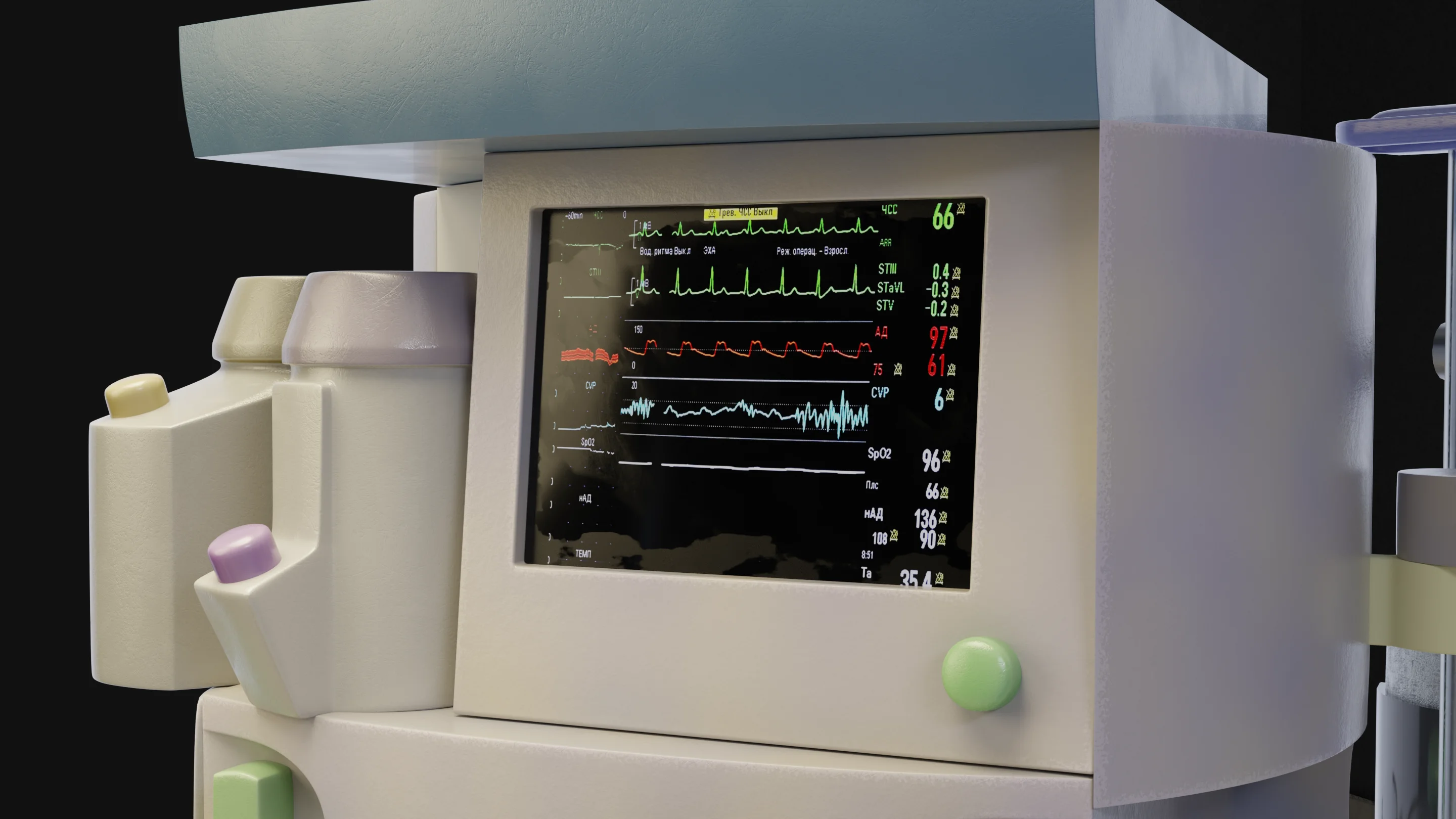
In addition to standard minimum monitoring for safe anesthesia (pulse oximetry, noninvasive blood pressure measurement, electrocardiography, and temperature monitoring) all patients should also have monitoring of inspired and expired oxygen concentrations, together with waveform capnography. Waveform capnography is the gold standard for airway monitoring and should be used throughout all stages of airway management.
When feasible, quantitative neuromuscular monitoring should be used to confirm adequate neuromuscular blockade before attempts at tracheal intubation.
Induction Agents
Successful airway management depends not only on technical skill, but also on the choice of induction agent, its dose, route of administration, and expected adverse effects. Propofol remains the most widely used induction agent, although it may be associated with hemodynamic instability.
Other agents, such as ketamine, etomidate, and remimazolam, may have less cardiovascular impact. Regardless of the drug selected, the anesthesiologist must be prepared to manage hemodynamic instability with fluid therapy and vasopressors.
Neuromuscular blockade improves facemask ventilation and provides optimal conditions for tracheal intubation. Each neuromuscular blocking agent has specific pharmacologic characteristics that should be taken into account. Rocuronium is being used increasingly because its antagonist, sugammadex, is now more widely available and allows rapid reversal of neuromuscular blockade.
Preoxygenation
Preoxygenation is essential for maximizing safety during airway management. All patients should receive preoxygenation before induction of general anesthesia. It should be performed with the head elevated and, whenever possible, using a technique that provides positive pressure.
In patients at increased risk of difficult airway management, preoxygenation with high-flow nasal oxygen (HFNO) should be used.
The adequacy of preoxygenation is usually assessed by achieving an end-tidal oxygen concentration (ETO₂) of ≥0.9 during facemask preoxygenation. However, this measure is less reliable when HFNO is used.
The DAS approach to unanticipated difficult airway management is outlined below.
Stepwise Management of Unanticipated Difficult Airway
Plan A: Facemask Ventilation and Tracheal Intubation
Goals of this stage:
First-pass success;
If unsuccessful, limiting the number and duration of further attempts in order to avoid progression to a cannot intubate, cannot oxygenate (CICO) scenario.
Practical points for Plan A:
Videolaryngoscopyshould be used whenever possible,as it improves the safety and effectiveness of tracheal intubation compared with direct laryngoscopy across a range of patients, settings, and operators;
Attempts at tracheal intubation should be limited to a maximum of three, with one additional final attempt by a more experienced colleague (3+1);
Successful intubation should be confirmed by a two-point check: sustained exhaled carbon dioxide and visualization of the tracheal tube passing through the vocal cords;
If difficulty arises during laryngoscopy or tracheal intubation, oxygenation must be maintained throughout the process.
Plan B: Use of a Supraglottic Airway Device
Goals of this stage:
Maintenance of oxygenation;
Restoration of ventilation using a SAD.
Practical points for Plan B:
A second-generation SAD is preferred because it provides a better pharyngeal seal and is associated with a lower risk of aspiration;
Successful ventilation and oxygenation through the device should be confirmed by waveform capnography and pulse oximetry;
The next step should be discussed with the team. In most cases, the safest course is to stop anesthesia and wake the patient, as alternative strategies may carry greater risk;
Proceeding without tracheal intubation may be appropriate in selected clinical scenarios;
If the patient is awakened, clinicians should remain alert to airway complications during emergence, such as laryngospasm;
If tracheal intubation is still required, one attempt at intubation through the SAD using flexible bronchoscopic guidance may be considered. If this is not feasible or is unsuccessful, tracheostomy or cricothyrotomy may be required. Blind tracheal intubation through a SAD is not recommended.
Plan C: Final Attempt at Facemask Ventilation
By this stage, the airway may already have been traumatized by multiple failed intubation attempts. Repeated manipulation may worsen airway edema and make adequate oxygenation increasingly difficult.
Practical points for Plan C:
Successful facemask ventilation is confirmed by waveform capnography, together with maintenance or improvement of oxygen saturation.
The likelihood of successful oxygenation may be improved by:
Full neuromuscular blockade and an adequate depth of anesthesia;
Optimization of patient positioning;
Use of an oropharyngeal airway, a nasopharyngeal airway, or both;
Use of a two-person, four-hand facemask ventilation technique.
If facemask ventilation is successful, clinicians should stop and reassess. Abandoning anesthesia may be the safest option. The need for full reversal of neuromuscular blockade and cautious emergence should be considered carefully, since waking the patient may itself lead to further deterioration or complications. Reversal of neuromuscular blockade may worsen airway obstruction or make facemask ventilation more difficult. Even when facemask ventilation is successful, the possible need for FONA should still be considered.
If facemask ventilation fails, this becomes a cannot intubate, cannot oxygenate (CICO) situation. This requires immediate progression to eFONA.
Plan D: Emergency Front-of-Neck Airway (eFONA)
eFONA(emergency front-of-neck airway) is emergency airway access through the anterior neck performed in a CICO situation as a rescue measure to restore oxygenation. In practice, this most commonly takes the form of emergency cricothyrotomy using a scalpel-bougie-tube technique. In selected cases, cannula cricothyrotomy may also be used, depending on local expertise, training, and available equipment.
Practical points for Plan D:
Call for help;
Optimize conditions, including:
Maximal neck extension, usually by placing a support under the shoulders or extending the head of the bed;
Administration of a full dose of a neuromuscular blocking agent; if sugammadex has already been given, a neuromuscular blocker other than rocuronium or vecuronium will probably be required.
Continue oxygen delivery to the upper airway throughout the procedure; this may be achieved using a SAD, a facemask, or a nasal cannula;
Confirm effective ventilation by waveform capnography;
After successful eFONA and stabilization of the patient, complications such as endobronchial intubation and pneumothorax should be excluded.
Post-Event Management
Even when the outcome is favorable, the following remain essential:
A clear extubation plan and readiness for re-obstruction or airway edema;
Documentation of the episode;
Explanation to the patient of what happened and what measures were taken, together with written information for future hospital admissions.
Find more scientifically accurate content on our social media
Subscribe and don’t miss out the latest resources
Education and Training in Airway Management
Education and training are fundamental to safe and effective difficult airway management. Reliable first-pass success and minimization of complications require regular, ongoing training of the multidisciplinary airway team.
FAQ
1. What is considered a difficult airway?
A difficult airway is one in which facemask ventilation, placement of a SAD, tracheal intubation, and/or emergency front-of-neck airway access is difficult.
2. What is the top priority in difficult airway management?
The top priority is continuous oxygenation. Oxygenation and ventilation must be maintained first; definitive airway management comes second.
3. Why are repeated intubation attempts dangerous?
Repeated attempts can cause airway trauma and edema, make ventilation more difficult, and increase the risk of a cannot intubate, cannot oxygenate (CICO) event.
4. Which findings in the history should raise the most concern?
Key red flags include previous difficulty with intubation or mask ventilation, prior head and neck surgery or radiotherapy, obstructive sleep apnea, and restricted mouth opening or neck mobility.
5. How reliable is the Mallampati classification for predicting a difficult airway?
On its own, Mallampati classification has limited predictive value. It is more useful when interpreted alongside other airway findings and the overall clinical context.
6. When should awake tracheal intubation be considered?
Awake tracheal intubation should be considered when difficult ventilation or intubation is anticipated, the risk of aspiration is high, the patient is unlikely to tolerate even brief apnea, or emergency invasive airway access may be difficult.
7. When should CICO be declared and eFONA performed?
CICO should be declared when oxygenation cannot be maintained after failed tracheal intubation and effective ventilation with a facemask and/or supraglottic airway device is no longer possible. In that situation, eFONA must be performed without delay.
8. What should be documented after an episode of difficult airway management?
Documentation should describe the nature of the difficulty, which devices and techniques were used, which were successful, tube size, patient positioning, any complications, and recommendations for future airway management.
References
1.
VOKA 3D Anatomy & Pathology – Complete Anatomy and Pathology 3D Atlas. VOKA 3D Anatomy & Pathology.
Available from: https://catalog.voka.io/
2.
Ahmad, I., El-Boghdadly, K., & Iliff, H. (2026). Difficult Airway Society 2025 guidelines for management of unanticipated difficult tracheal intubation in adults. British Journal of Anaesthesia, 136(1), 283–307. https://doi.org/10.1016/j.bja.2025.10.006
3.
Apfelbaum, J. L., Hagberg, C. A., & Connis, R. T. (2022). 2022 American Society of Anesthesiologists practice guidelines for management of the difficult airway. Anesthesiology, 136(1), 31–81. https://doi.org/10.1097/ALN.0000000000004002
4.
Sajayan, A., Nair, A., & McNarry, A. F. (2022). Analysis of a national difficult airway database. Anaesthesia, 77(10), 1081–1088. 77(10):1081-1088. https://doi.org/10.1111/anae.15820
5.
Rosenblatt, W. H., & Artime, C. (2024, November 13). Management of the anatomically difficult airway for general anesthesia in adults. In R. F. Connor (Ed.), UpToDate. Wolters Kluwer. Retrieved December 2025.
Available from: https://www.uptodate.com/
6.
Law, J. A., Duggan, L. V., & Asselin, M. (2021). Canadian Airway Focus Group updated consensus-based recommendations for management of the difficult airway: Part 1. Difficult airway management encountered in an unconscious patient. Canadian Journal of Anesthesia, 68(9), 1373–1404. https://doi.org/10.1007/s12630-021-02007-0
50 Franklin Street, STE 203 Boston, MA 02110 United States
Thank you!
Your message is sent! Our experts will contact you shortly. If you have any additional questions, please contact us at info@voka.io
Cookie Consent
We use cookies to enhance your browsing experience, analyze site traffic, and deliver content. Please choose whether you accept all cookies or wish to reject non-essential tracking.
Cookie Preferences
Manage your cookie preferences below:
Essential cookies enable basic functions and are necessary for the proper function of the website.
Name
Description
Duration
Geolocation Config
This cookie is used to store the consent settings based on the visitor's location.
30 days
Cookie Preferences
This cookie is used to store the user's cookie consent preferences.
30 days
Google reCAPTCHA helps protect websites from spam and abuse by verifying user interactions through challenges.
Name
Description
Duration
_GRECAPTCHA
Google reCAPTCHA sets a necessary cookie (_GRECAPTCHA) when executed for the purpose of providing its risk analysis.
179 days
Statistics cookies collect information anonymously. This information helps us understand how visitors use our website.
Google Analytics is a powerful tool that tracks and analyzes website traffic for informed marketing decisions.
Used to monitor number of Google Analytics server requests when using Google Tag Manager
1 minute
_gac_
Contains information related to marketing campaigns of the user. These are shared with Google AdWords / Google Ads when the Google Ads and Google Analytics accounts are linked together.
90 days
__utma
ID used to identify users and sessions
2 years after last activity
__utmt
Used to monitor number of Google Analytics server requests
10 minutes
__utmb
Used to distinguish new sessions and visits. This cookie is set when the GA.js javascript library is loaded and there is no existing __utmb cookie. The cookie is updated every time data is sent to the Google Analytics server.
30 minutes after last activity
__utmc
Used only with old Urchin versions of Google Analytics and not with GA.js. Was used to distinguish between new sessions and visits at the end of a session.
End of session (browser)
__utmz
Contains information about the traffic source or campaign that directed user to the website. The cookie is set when the GA.js javascript is loaded and updated when data is sent to the Google Anaytics server
6 months after last activity
__utmv
Contains custom information set by the web developer via the _setCustomVar method in Google Analytics. This cookie is updated every time new data is sent to the Google Analytics server.
2 years after last activity
__utmx
Used to determine whether a user is included in an A / B or Multivariate test.
18 months
_ga
ID used to identify users
2 years
_gali
Used by Google Analytics to determine which links on a page are being clicked
30 seconds
_ga_
ID used to identify users
2 years
_gid
ID used to identify users for 24 hours after last activity
24 hours
Clarity is a web analytics service that tracks and reports website traffic.