Basic Monitoring During Anesthesia: Standards and Mandatory Monitoring Parameters
Analysis of basic monitoring standards during anesthesia. Mandatory parameters of oxygenation, ventilation, and hemodynamics for patient safety.


Anesthesia
Pain management and sedation techniques

Angiology
Arterial and venous pathologies

Cardiology
Acquired and congenital heart diseases

Dentistry
Diseases of teeth, gums, and the oral cavity

Dermatology
Disorders of the skin and subcutaneous tissue

Embryology
Stages of embryogenesis and congenital anomalies

Endocrinology
Disorders of the glands and hormonal imbalance

Gastroenterology
Stomach, intestinal, and digestive diseases

Gynecology
Diseases of female reproductive organs

Hematology
Hematopoiesis and blood-related disorders

Hepatology
Liver, gallbladder, and biliary tract diseases

Histology
Microscopic tissue and cell structures

Infectious diseases
Bacterial, viral, and parasitic infections

Neurology
Brain, spinal cord, and peripheral nerve disorders

Obstetrics
Pregnancy complications and abnormal fetal positions

Oncology
Cancer types, benign and malignant tumors

Ophthalmology
Conditions affecting the eyes and vision

Orthopedics
Bone, joint, and soft tissue disorders

Otorhinolaryngology
Ear, nose, and throat diseases

Pediatrics
Child health, development, and clinical conditions

Physiology
Biological processes within organs and systems

Pulmonology
Lung and respiratory tract diseases

Traumatology
Acute injuries and musculoskeletal trauma

Urology
Urinary tract and male reproductive disorders
Anesthesia
Pain management and sedation techniques
Angiology
Arterial and venous pathologies
Cardiology
Acquired and congenital heart diseases
Dentistry
Diseases of teeth, gums, and the oral cavity
Dermatology
Disorders of the skin and subcutaneous tissue
Embryology
Stages of embryogenesis and congenital anomalies
Endocrinology
Disorders of the glands and hormonal imbalance
Gastroenterology
Stomach, intestinal, and digestive diseases
Gynecology
Diseases of female reproductive organs
Hematology
Hematopoiesis and blood-related disorders
Hepatology
Liver, gallbladder, and biliary tract diseases
Histology
Microscopic tissue and cell structures
Infectious diseases
Bacterial, viral, and parasitic infections
Neurology
Brain, spinal cord, and peripheral nerve disorders
Obstetrics
Pregnancy complications and abnormal fetal positions
Oncology
Cancer types, benign and malignant tumors
Ophthalmology
Conditions affecting the eyes and vision
Orthopedics
Bone, joint, and soft tissue disorders
Otorhinolaryngology
Ear, nose, and throat diseases
Pediatrics
Child health, development, and clinical conditions
Physiology
Biological processes within organs and systems
Pulmonology
Lung and respiratory tract diseases
Traumatology
Acute injuries and musculoskeletal trauma
Urology
Urinary tract and male reproductive disorders
Specialties
AnesthesiaAngiologyCardiologyDentistryDermatologyEmbryologyEndocrinologyGastroenterologyGynecologyHematologyHepatologyHistologyInfectious diseasesNeurologyObstetricsOncologyOphthalmologyOrthopedicsOtorhinolaryngologyPediatricsPhysiologyPulmonologyTraumatologyUrology
This article is for informational purposes only
The content on this website, including text, graphics, and other materials, is provided for informational purposes only. It is not intended as advice or guidance. Regarding your specific medical condition or treatment, please consult your healthcare provider.
The worldwide prevalence of obesity has been increasing. As a result, the number of patients with obesity encountered in the operating room is also rising.
Obesity is generally diagnosed based on the body mass index (BMI), calculated as weight (in kilograms) divided by height squared (in meters): weight (kg) / height² (m²). Overweight is defined as BMI ≥ 25, while obesity is established as BMI ≥ 30.
Body fat distribution is classified as peripheral adiposity or central adiposity. Patients with central (visceral) obesity face greater perioperative risks and are more likely to develop metabolic syndrome, which includes central obesity, hypertension, insulin resistance, and dyslipidemia. Note that central obesity is more common in men. A diagnostic criterion is waist circumference which should exceed 102 cm in men and 88 cm in women.
Obesity increases the mechanical load on lung tissue and the thorax, and the metabolic demands of excess adipose tissue also rise. This leads to increased work of breathing, higher oxygen consumption, greater carbon dioxide production, and ventilation–perfusion mismatch. As a result, obesity implies reduced functional residual capacity (FRC), disruption of ventilation–perfusion ratios, and shunting in dependent lung regions.
These combined effects lead to:
The supine position and obstructive sleep apnea (OSA) further exacerbate these effects.
Obesity contributes to elevated blood pressure and is associated with volume overload, which leads to adverse changes in left ventricular (LV) parameters, such as increased end-diastolic volume and elevated filling pressures. These alterations may result in left ventricular hypertrophy (LVH) and subsequently increase the risk of heart failure, ventricular arrhythmias, death from myocardial infarction, and sudden cardiac arrest.
Obstructive sleep apnea (OSA) is a sleep‑related breathing disorder characterized by recurrent episodes of upper airway collapse, leading to reduced inspiratory airflow that may be complete (apnea) or partial (hypopnea).
Recurrent upper airway obstruction during sleep is associated with intermittent hypoxia and hypercapnia. Moderate and severe OSA pose significant risks for acute cardiovascular morbidity and mortality.
A diagnosis of OSA is associated with difficult airway management, postoperative desaturation and respiratory failure, opioid‑induced respiratory depression, and an increased incidence of postoperative cardiovascular complications.
Obesity is a prothrombotic condition associated with increased morbidity and mortality from thrombotic complications (myocardial infarction, stroke, venous thromboembolism).
The postoperative hypercoagulable state (thrombophilia) may persist for more than two weeks, necessitating postoperative thromboprophylaxis.
This patient population requires careful monitoring of glycemic status, as poor glycemic control is associated with increased morbidity and mortality.
Optimal methods for calculating anesthetic doses in patients with obesity remain limited. A gradual, titrated approach to dosing is recommended. In patients with severe obesity, the therapeutic dose range for many drugs may be very narrow, while the number of side effects may increase.
Drug dosing in patients with obesity is based on:
Unlike hydrophilic drugs, lipophilic drugs have a larger volume of distribution. However, determining the volume of distribution in patients with obesity is challenging.
For most medications, dosing based on TBW is inappropriate due to the risk of overdose. To avoid overdosing as well as underdosing, AdjBW or LBW is generally preferred.
When using induction agents, TBW‑based dosing results in a longer duration of action than dosing based on LBW or AdjBW, but may cause significant hypotension.
Hydrophilic drugs such as neuromuscular blocking drugs (NMBDs) distribute primarily into central compartments. For example, a TBW‑based rocuronium dose does not significantly shorten onset time but markedly prolongs duration of action. Doses of neostigmine and sugammadex depend on the timing and total dose of neuromuscular blockers requiring reversal and may be titrated to effect.
Target‑controlled infusion (TCI) of propofol is unreliable in patients weighing more than 150 kg; commercially available pumps typically do not allow weight inputs above 150 kg or BMI > 35 kg/m².
The high prevalence of OSA among patients with obesity may be associated with increased sensitivity to anesthetic agents. It is recommended to minimize the use of respiratory depressants, prefer short‑acting agents, and employ multimodal analgesia with opioid‑sparing protocols to ensure rapid recovery of consciousness and protective reflexes.
According to the Society for Obesity and Bariatric Anaesthesia (SOBA), special attention should be given to screening patients with higher risk factors using the Obesity Surgery Mortality Risk Score (OS‑MRS) and the STOP‑Bang questionnaire for OSA risk.
Risk factors include:
If identified, risk factors may require preoperative arterial blood gas analysis, polysomnography or overnight oximetry, preoperative CPAP therapy in patients with OSA, referral to a cardiorespiratory expert, and more thorough postoperative monitoring.
Preoperative counseling should emphasize smoking cessation, preoperative diet, the need for thromboprophylaxis, and early mobilization.
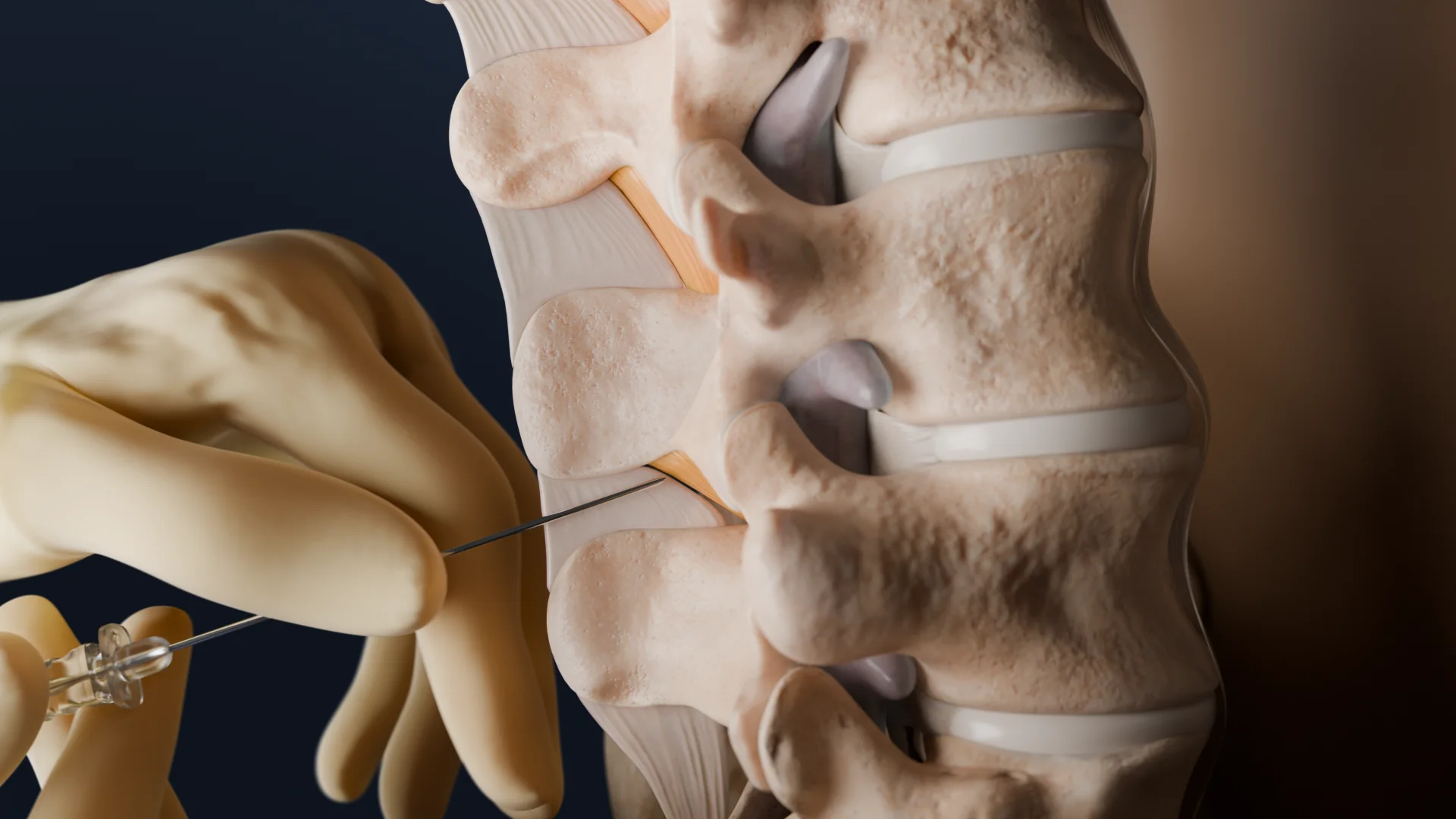
Ultrasound may be required in patients with obesity to facilitate vascular access, neuraxial anesthesia, or nerve blocks. Operating table extenders or specialized bariatric tables may also be necessary.
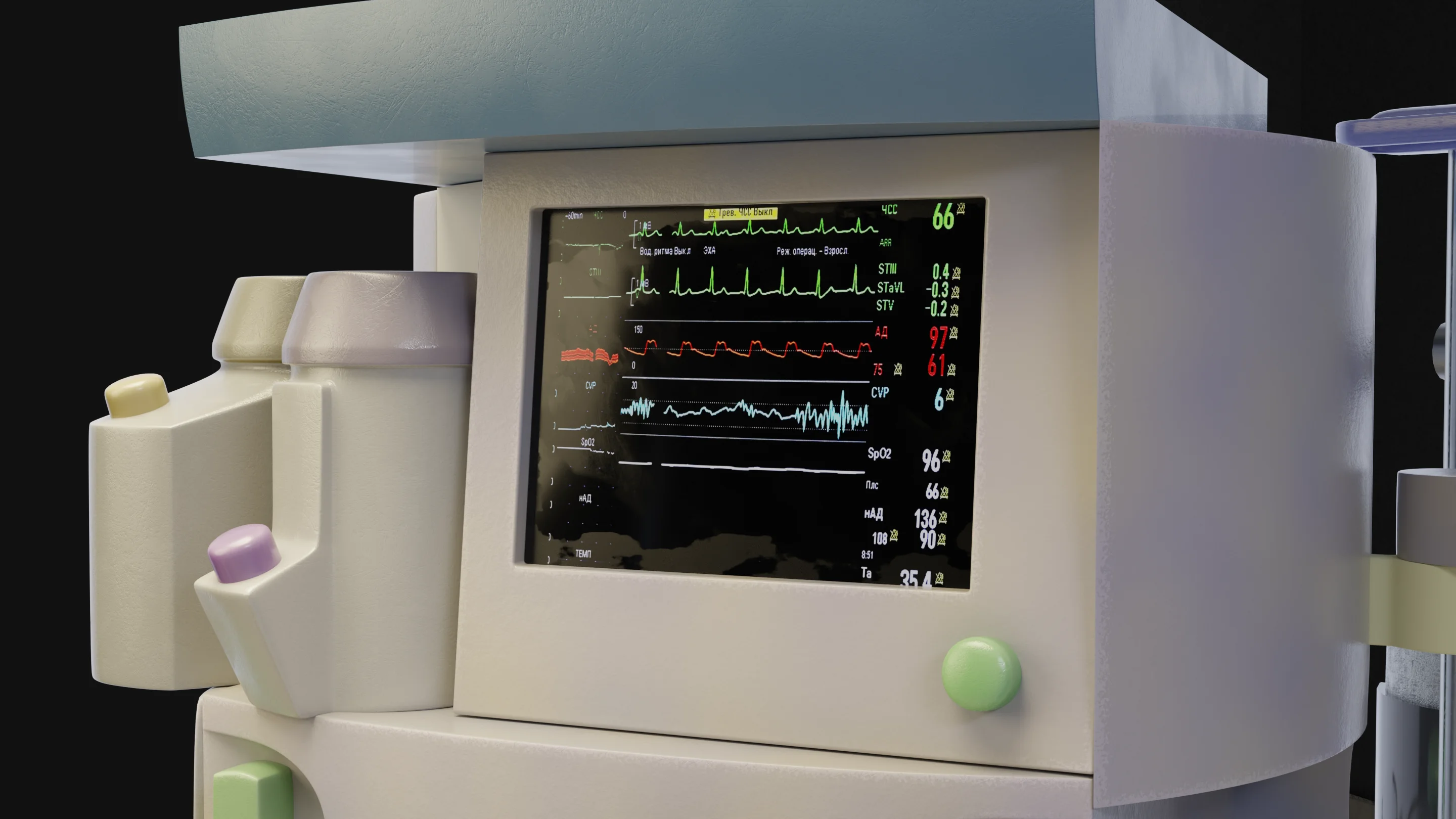
In patients with obesity, blood pressure cuffs often need to be applied in a criss-crossed manner, which may reduce accuracy. Alternative cuff sites (e.g., forearm or calf) are frequently used to improve fit. Invasive blood pressure monitoring should be considered when the surgical procedure and/or the patient’s condition indicate a critical need for precise hemodynamic monitoring.

SOBA recommends that the prognosis of patients with an OS‑MRS score > 3 be discussed with a consultant, and that patients with a score of 4–5 receive anesthesia from an anesthesiologist experienced in managing this population. In approximately 30 % of cases, obesity is associated with a higher likelihood of difficult or failed intubation, complicated laryngoscopy, and bag‑mask ventilation. For elective surgery, shaving facial hair is recommended, as a beard may also interfere with effective ventilation. Patients whose sleep‑disordered breathing is adequately treated show lower perioperative risk.
Assessment of physical exercise tolerance helps identify patients at high risk for postoperative complications.
Patients with obesity should follow standard preoperative fasting ASA guidelines. For patients without additional aspiration risk factors (gastroesophageal reflux, intestinal obstruction), this includes: fasting from clear liquids for 2 hours, fasting from solid food for 6 hours, fasting from meals high in protein or fat for 8 hours.
Glucagon‑like peptide‑1 (GLP‑1) receptor agonists (e.g., semaglutide), dual glucose‑dependent insulinotropic peptide receptor agonists, and sodium–glucose cotransporter‑2 inhibitors are more and more used for weight reduction and for treatment of other conditions (e.g., diabetes) in patients receiving perioperative care. These medications may be associated with a risk of perioperative pulmonary aspiration or euglycemic diabetic ketoacidosis.
According to the 2025 interdisciplinary consensus, patients receiving GLP‑1 receptor agonists and dual glucose‑dependent insulinotropic peptide receptor agonists should continue these medications throughout the perioperative period. However, sodium–glucose cotransporter‑2 inhibitors should be withheld the day before the procedure as well as on the day of the procedure; the regimen is then resumed 24–48 hours after surgery. Gastric ultrasound should be considered before induction of anesthesia. These patient population may also require rapid‑sequence induction and intubation (RSII).
Whenever regional anesthesia is feasible, general anesthesia should be avoided, and sedation during regional anesthesia should be minimized.
The preferred method of securing the airway is tracheal intubation with controlled ventilation.
During induction, the patient should be positioned in a ramped or head‑elevated position (the tragus aligned with the sternum, with the arms positioned away from the thorax). This improves lung mechanics and maximizes safe apnea time. Positive end‑expiratory pressure (PEEP) or high‑flow nasal oxygenation facilitates preoxygenation. To maximize safe apnea time, an end‑tidal O₂ concentration above 90 % should be targeted. Any difficulty with airway management should be addressed according to the Difficult Airway Society (DAS) recommendations.
Endotracheal tube size and tidal volume during controlled ventilation are determined based on a patient’s IBW. PEEP titration strategy and recruitment maneuvers reduce intra‑ and postoperative atelectasis.
Two peripheral intravenous lines are recommended; in cases of failed peripheral cannulation, central venous access should be considered.
Sources on inhalational versus intravenous anesthetics in patients with severe obesity contain conflicting data regarding the most preferable agent.
Perioperative strategy should include:
Patients with obesity have a higher incidence of complications during extubation. To reduce the likelihood of such complications and assess readiness for extubation, quantitative neuromuscular monitoring is recommended. Neuromuscular blockade may be reversed with sugammadex or neostigmine (depending on the neuromuscular blocker used). Before tracheal extubation, patients must regain motor function, demonstrate recovery of airway reflexes, and have adequate tidal volumes. Extubation should be performed with the patient awake and in a sitting position. Premature extubation should be avoided in patients with obesity, as post‑procedural airway edema may further complicate an already difficult airway.
Find more scientifically accurate content on our social media



Postoperative management for most patients with obesity should follow enhanced recovery strategies. Patients with comorbidities, high‑risk scores (OS‑MRS 4–5), untreated OSA, or a need for postoperative parenteral opioids require more careful monitoring, especially for hypercapnia in the postoperative period. In the postanesthesia care unit (PACU), patients should undergo continuous pulse oximetry until they demonstrate the ability to maintain adequate oxygenation at rest.
Patients with hypoxia unresponsive to standard oxygen therapy should receive noninvasive ventilation with continuous positive airway pressure (CPAP), bilevel positive airway pressure (BiPAP), or high‑flow nasal oxygen (HFNO) in the postoperative period.
Patients with OSA are advised to bring their personal CPAP devices in advance for use during recovery and afterward.
Given the risk of venous thromboembolism, adequate thromboprophylaxis is essential and should be continued after discharge. Below‑knee compression stockings should also be discussed with the patient beforehand.
Patients with obesity and OSA require a preplanned anesthetic strategy due to the combination of rapid loss of respiratory reserve, high risk of difficult airway management, and increased sensitivity to opioids. Key safety principles include optimized preoxygenation and positioning, a first‑attempt success strategy for intubation, lung‑protective ventilation with recruitment maneuvers as indicated, strict prevention of residual neuromuscular blockade at extubation, opioid‑sparing techniques throughout the perioperative period, and early mobilization, which helps reduce respiratory and thrombotic complications and accelerates recovery.
1. Why do obesity and OSA increase anesthesia risks?
2. Should all patients with obesity be screened for OSA?
3. What is the optimal position for induction and intubation?
4. How does preoxygenation differ in these patients?
5. Are there any special considerations for drug selection and dosing?
6. What is the safest approach to neuromuscular blockade?
7. How should ventilation be set in patients with obesity?
8. Can supraglottic airway devices (SGAs) be used in patients with obesity or OSA?
9. What are the key principles of extubation?
10. How can these patients be integrated into an enhanced recovery program?
References
1.
VOKA 3D Anatomy & Pathology – Complete Anatomy and Pathology 3D Atlas [Internet]. VOKA 3D Anatomy & Pathology.
Available from: https://catalog.voka.io/
2.
Nightingale CE, Margarson MP, Shearer E. Peri-operative management of the obese surgical patient 2015: Association of Anaesthetists of Great Britain and Ireland Society for Obesity and Bariatric Anaesthesia. Anaesthesia. 2015;70(7):859–876. doi: 10.1111/anae.13101.
3.
El-Boghdadly K, Dhesi J, Fabb P. Elective peri-operative management of adults taking glucagon-like peptide-1 receptor agonists, glucose-dependent insulinotropic peptide agonists and sodium-glucose cotransporter-2 inhibitors: a multidisciplinary consensus statement. Anaesthesia. 2025;80(4):412-424. https://doi.org/10.1111/anae.16541
4.
Eipe N. Anesthesia for the patient with obesity. In: Post TW, editor. UpToDate [Internet]. Waltham (MA): UpToDate; 2026 [updated 2025 Jun 26; cited 2026 Jan].
Available from: https://www.uptodate.com/
Make VOKA your preferred source
See more VOKA articles in Google Search
Table of Contents








Summarize article with AI
Choose your preferable AI assistant:
Link successfully copied to clipboard
Thank you!
Your message is sent!
Our experts will contact you shortly. If you have any additional questions, please contact us at info@voka.io