Gallstone Disease: Causes, Symptoms, Signs, Classification, Diagnosis and Treatment
Aleksandr F.Abdominal surgeon, MD
11 min read·October 30, 2025
This article is for informational purposes only
The content on this website, including text, graphics, and other materials, is provided for informational purposes only. It is not intended as advice or guidance. Regarding your specific medical condition or treatment, please consult your healthcare provider.
Gallstone disease (Cholelithiasis) is a multifactorial condition. It is characterized by bilirubin and cholesterol metabolism disorders with gallstones formation in the hepatobiliary system.
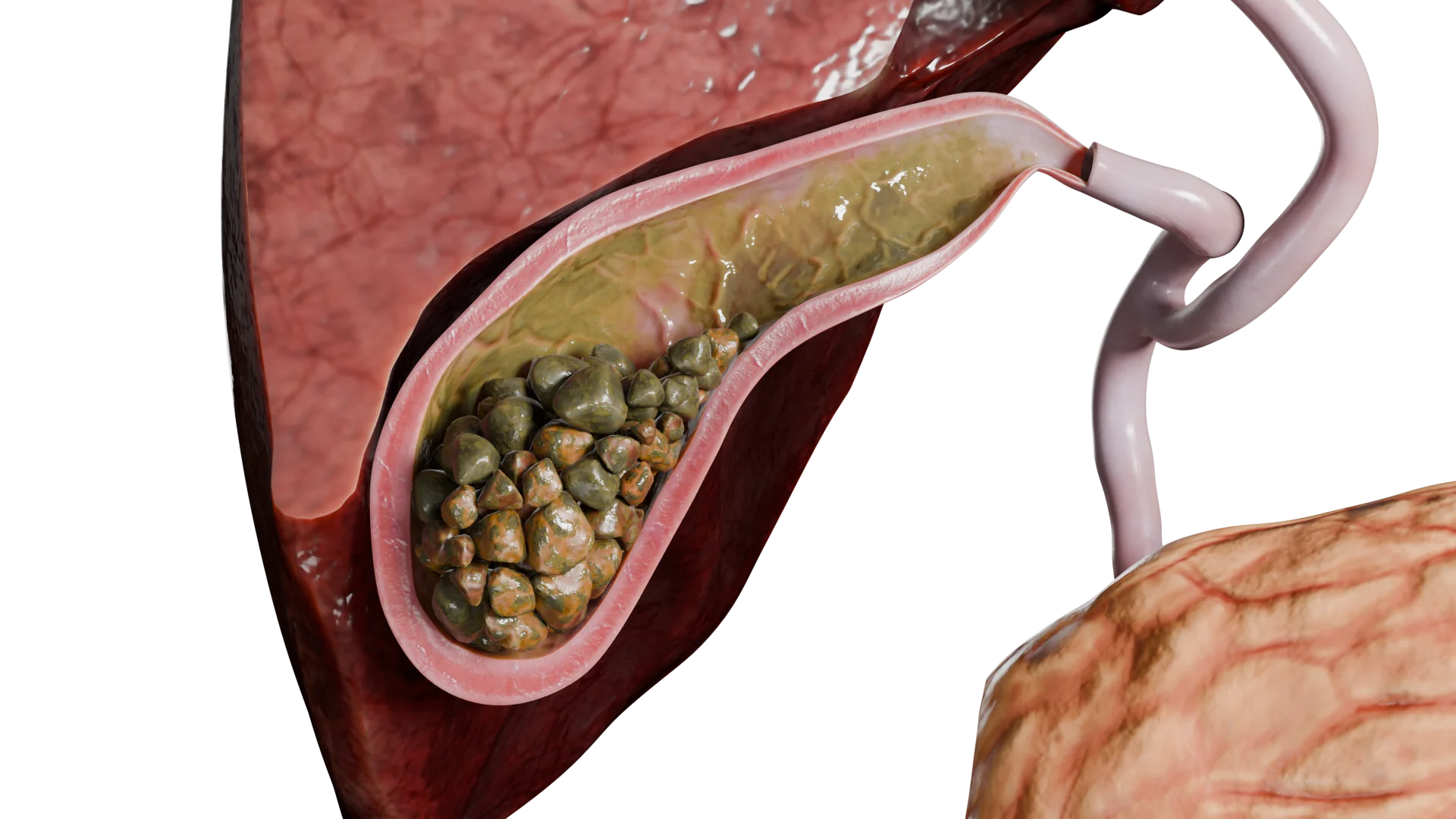
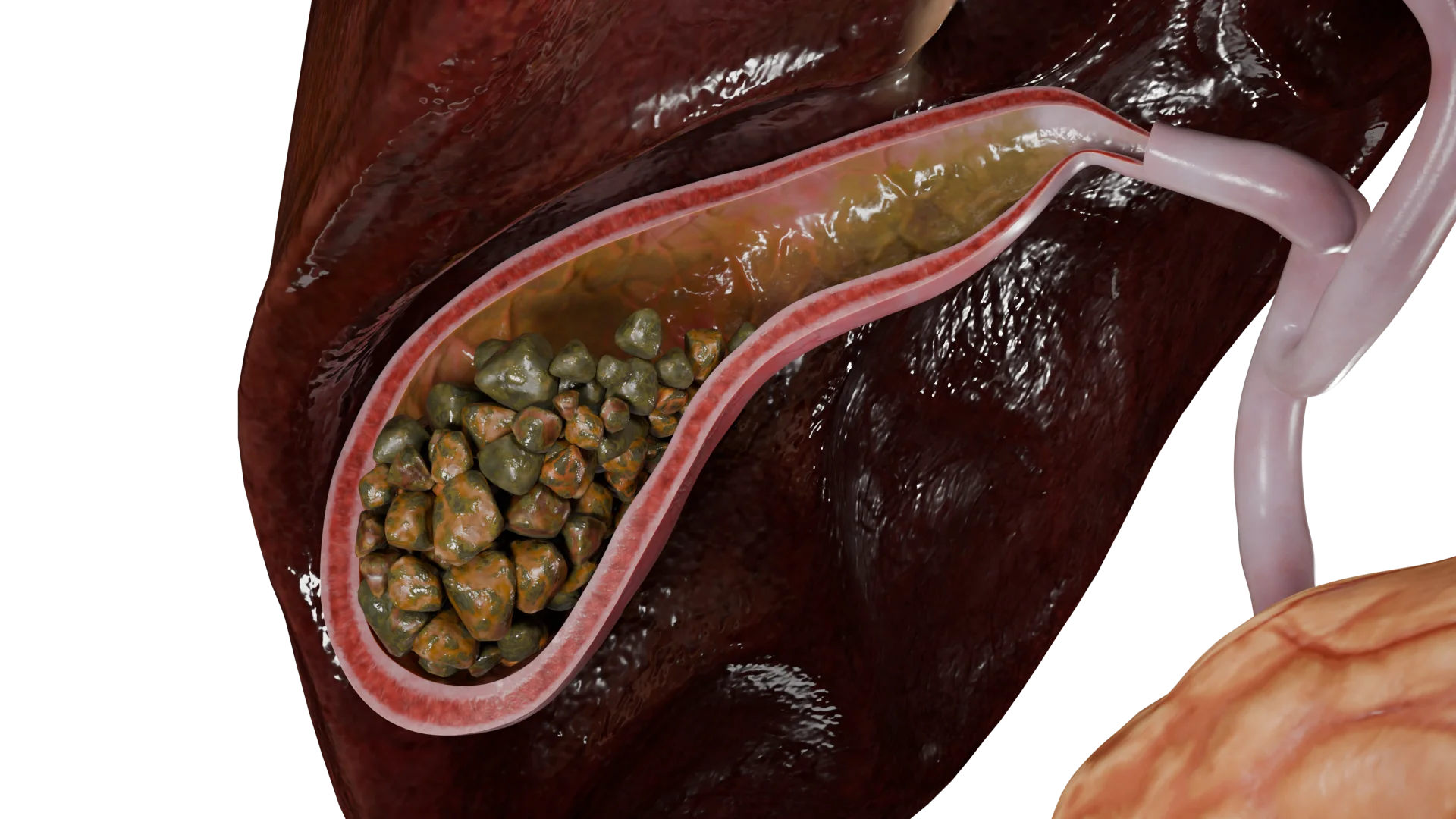
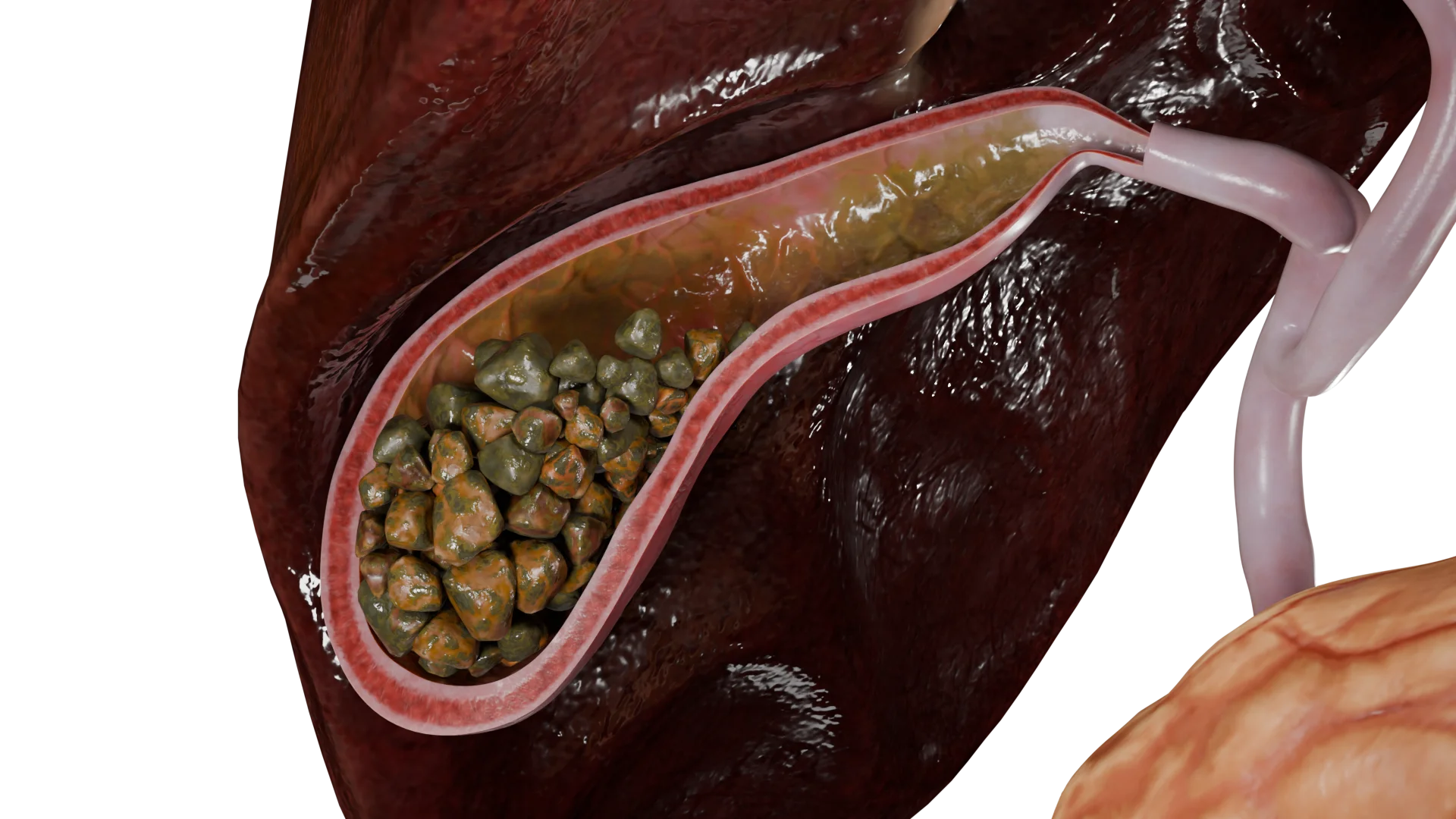
Acute calculous cholecystitis (multiple mixed stones in the gallbladder with inflammation of its wall) – 3D Model
Gallstones risk factors
Cholelithiasis is associated with a range of risk factors. They include as follows:
Imbalanced diet. A diet high in trans fats, low-density lipoproteins (LDL), and very low-density lipoproteins (VLDL);
Low or a lack of physical activity;
Endocrine disorders accompanied by dyslipidemia;
Use of antiepileptic drugs;
Age;
Female sex;
Genetic predisposition;
Smoking and alcohol abuse;
Impaired bile outflow from the gallbladder.
Pathogenesis
Сalculi (stones) in the hepatobiliary system primarily associated with the presence of risk factors, which lead to the development of bile sludge.
Bile consists of fractions of bile acids, such as cholic, chenodeoxycholic and deoxycholic acids, as well as phospholipids, proteins, bilirubin, bioactive compounds, metals (zinc, copper, magnesium, etc.), and ions of sodium, chlorine and potassium. The process of bile formation occurs in hepatocytes.
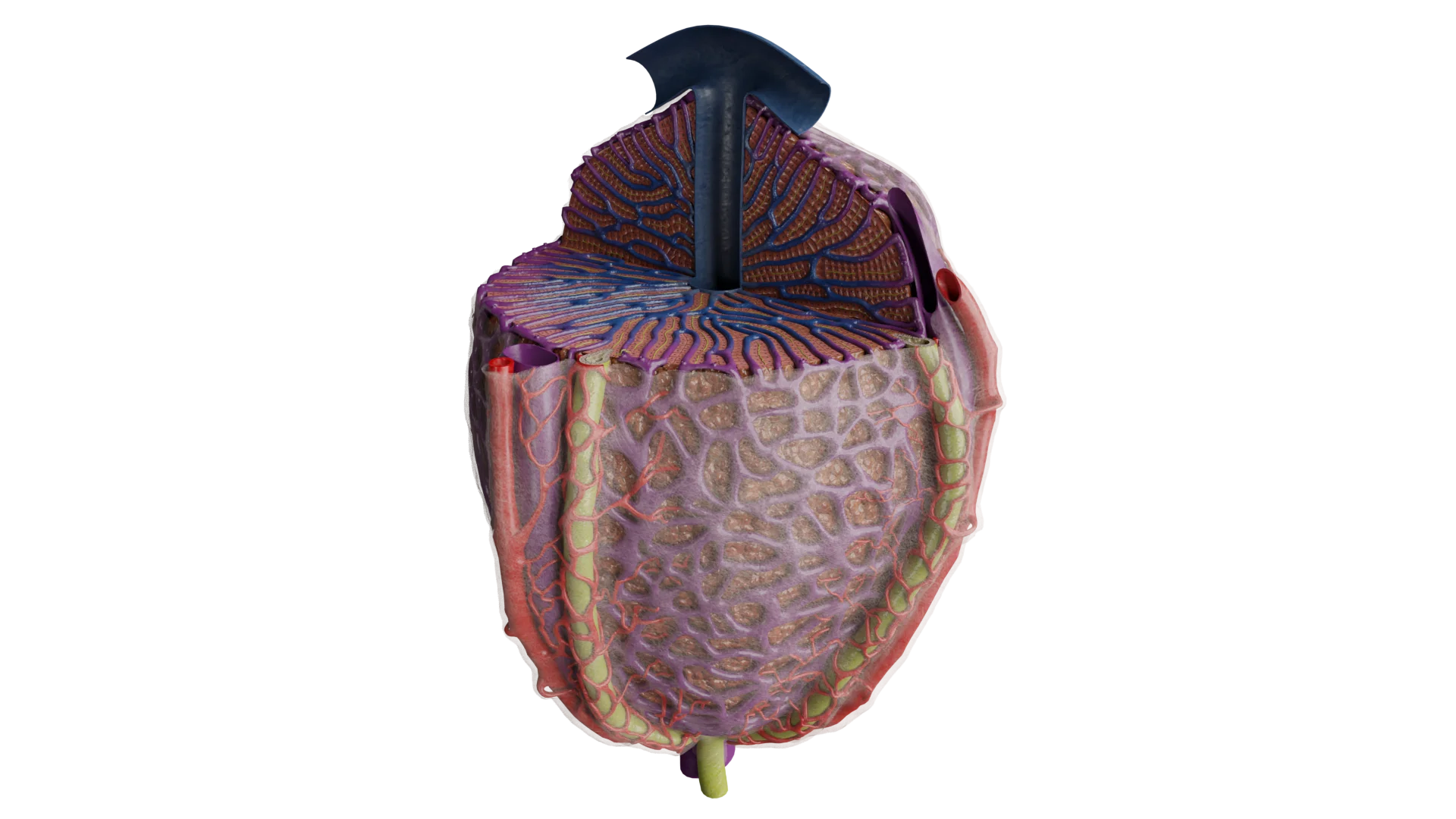
Structure of the hepatic lobule (acinus) – 3D Model
Through the excretory ducts of the hepatobiliary system, bile enters the duodenum, where it emulsifies dietary fats and activates the enzymatic systems of the gastrointestinal tract. In this process, the gallbladder serves as a bile reservoir.
Calculi are formed secondary to biliary sludge when bile becomes too dense due to an unbalanced bile composition or impaired bile outflow from the hepatobiliary system in high-risk patients. Biliary sludge syndrome is associated with an imbalance among the components of bile.
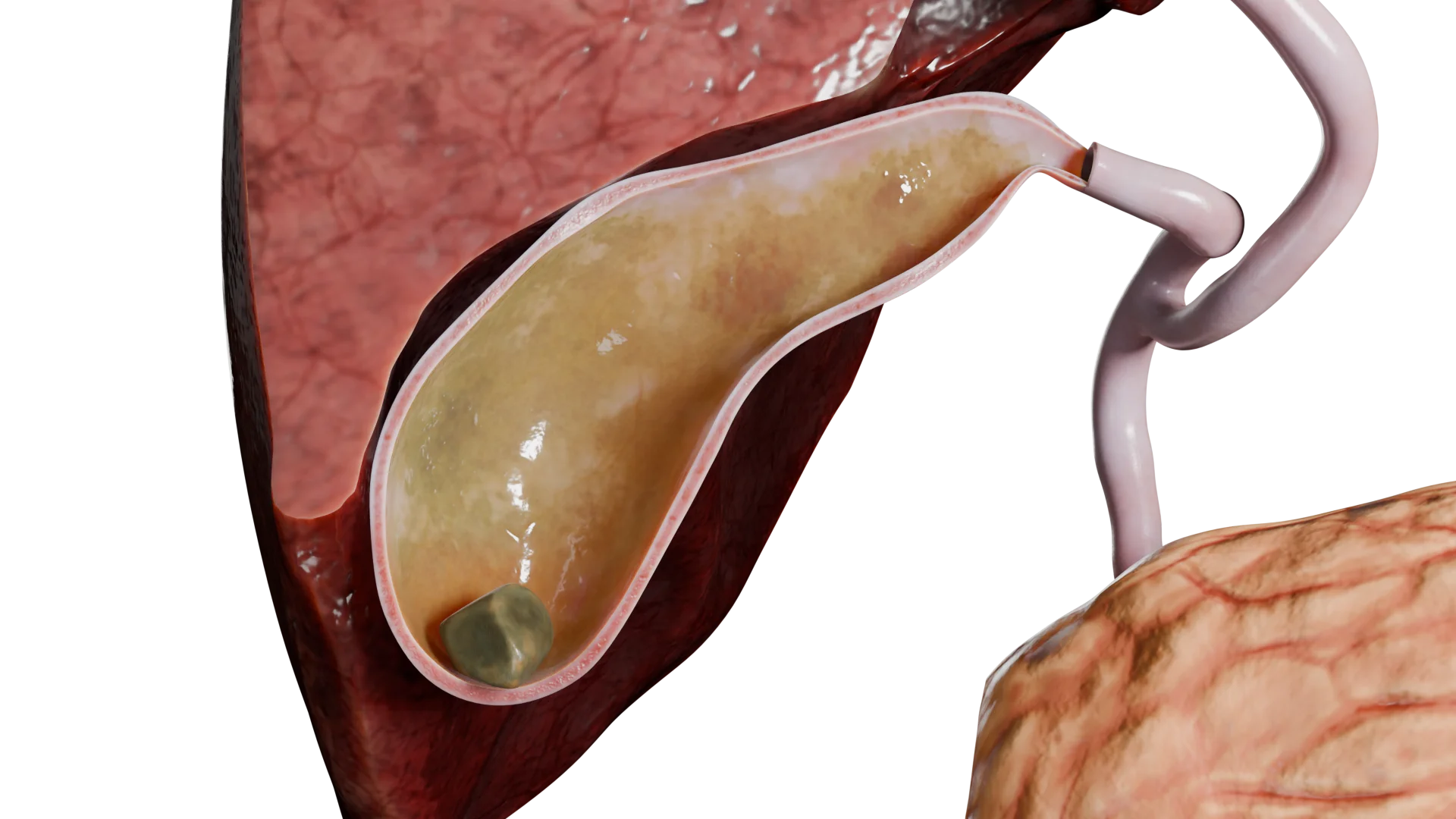
Acute calculous (catarrhal) cholecystitis – 3D Model
Classification of gallstone disease
The classification of gallstone disease includes the morphological characteristics, the number of calculi, and the clinical presentation of the disease.
Based on the composition of gallstones:
Cholesterol gallstones;
Pigmented;
Mixed gallstones.
3D Models of gallstones based on the gallstone composition:
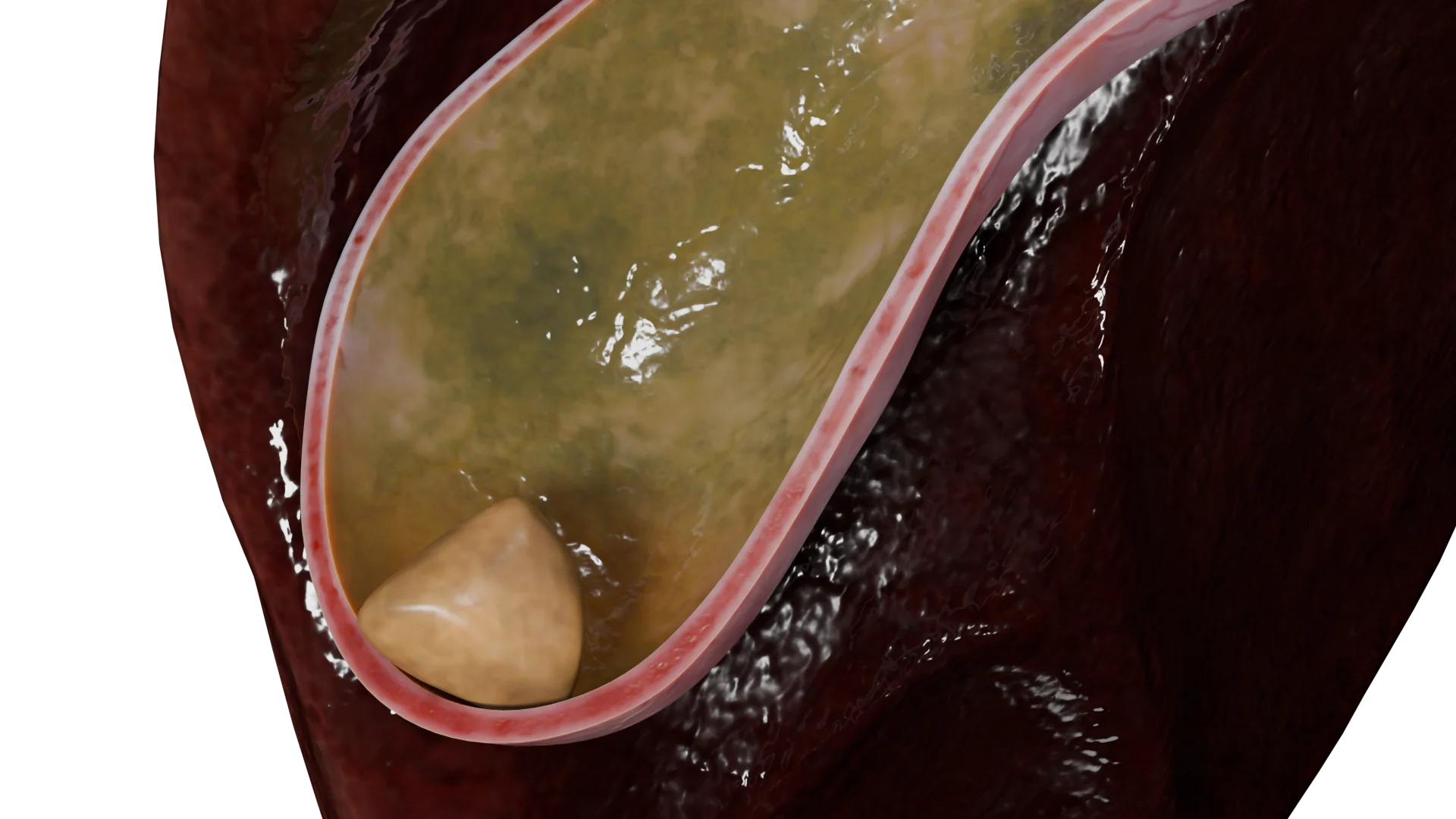
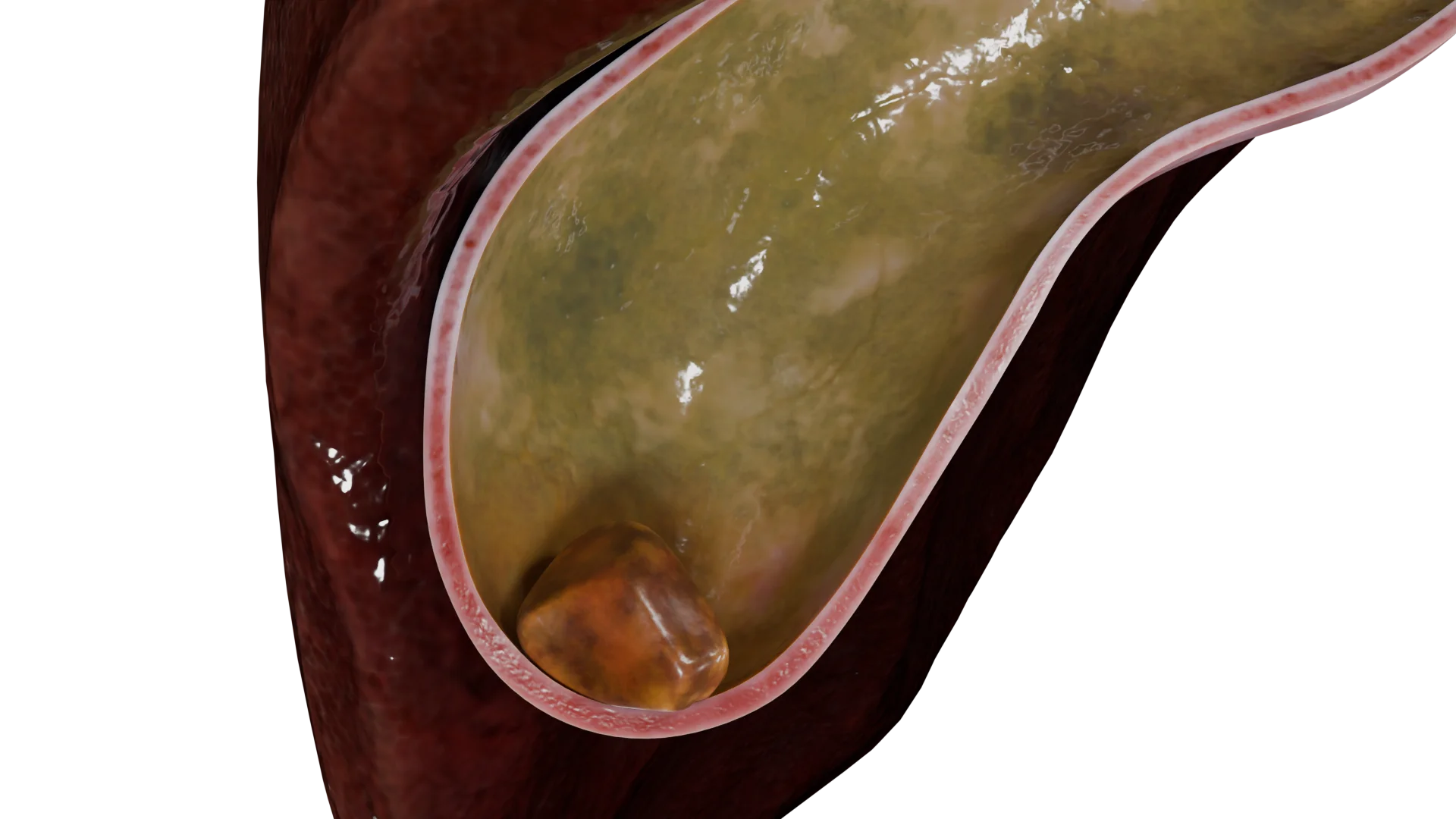
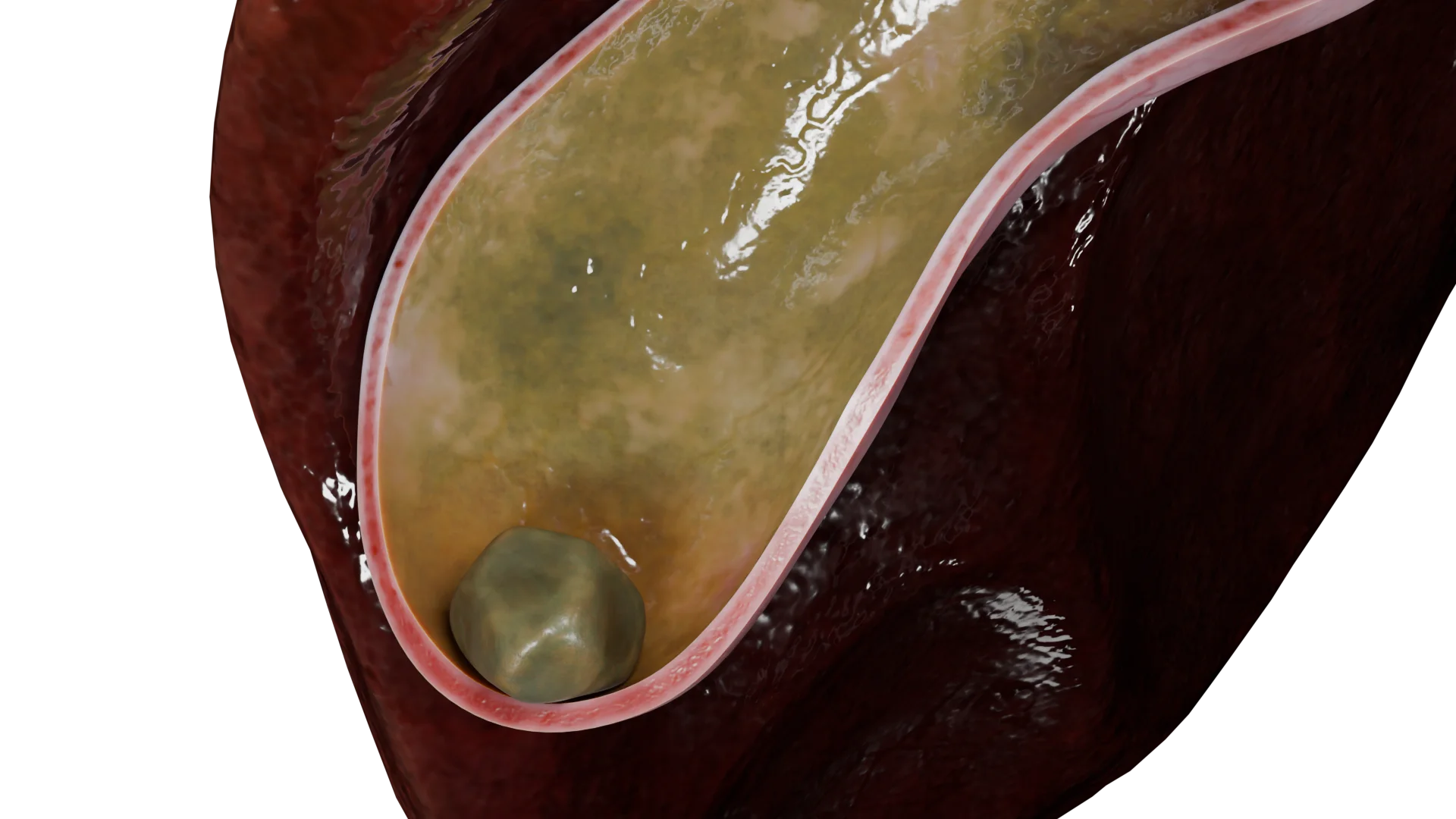
Single cholesterol calculus in the gallbladder
Single pigment calculus in the gallbladder
Single mixed calculus in the gallbladder
Based on the number of calculi:
Single;
Multiple.
Single mixed calculus in the gallbladder without cholecystitis – 3D ModelMultiple mixed calculi in the gallbladder with acute cholecystitis – 3D model
By clinical manifestations:
Asymptomatic gallstones;
With clinical signs and symptoms.
Clinical Manifestations
If a patient has no relevant complaints, cholelithiasis is considered asymptomatic.
Since there are no specific signs, gallstones in the hepatobiliary system are often an accidental finding during a routine abdominal examination.
The clinical manifestations of the disease include the following symptoms:
Pain syndrome;
Dyspeptic disorders;
(Frequently) jaundice;
Fever.
The pain syndrome is characterized by colicky pains that vary in intensity and duration. As a rule, the pain is associated with food intake, particularly the consumption of fatty meals. Colicky pain is usually localized in the right hypochondrium; sometimes the pain may radiate to the right lumbar and right groin areas.
An episode of biliary colic may resolve spontaneously without the need for antispasmodic therapy. During an attack, the patient may develop a low-grade or, in some cases, a high-grade fever.
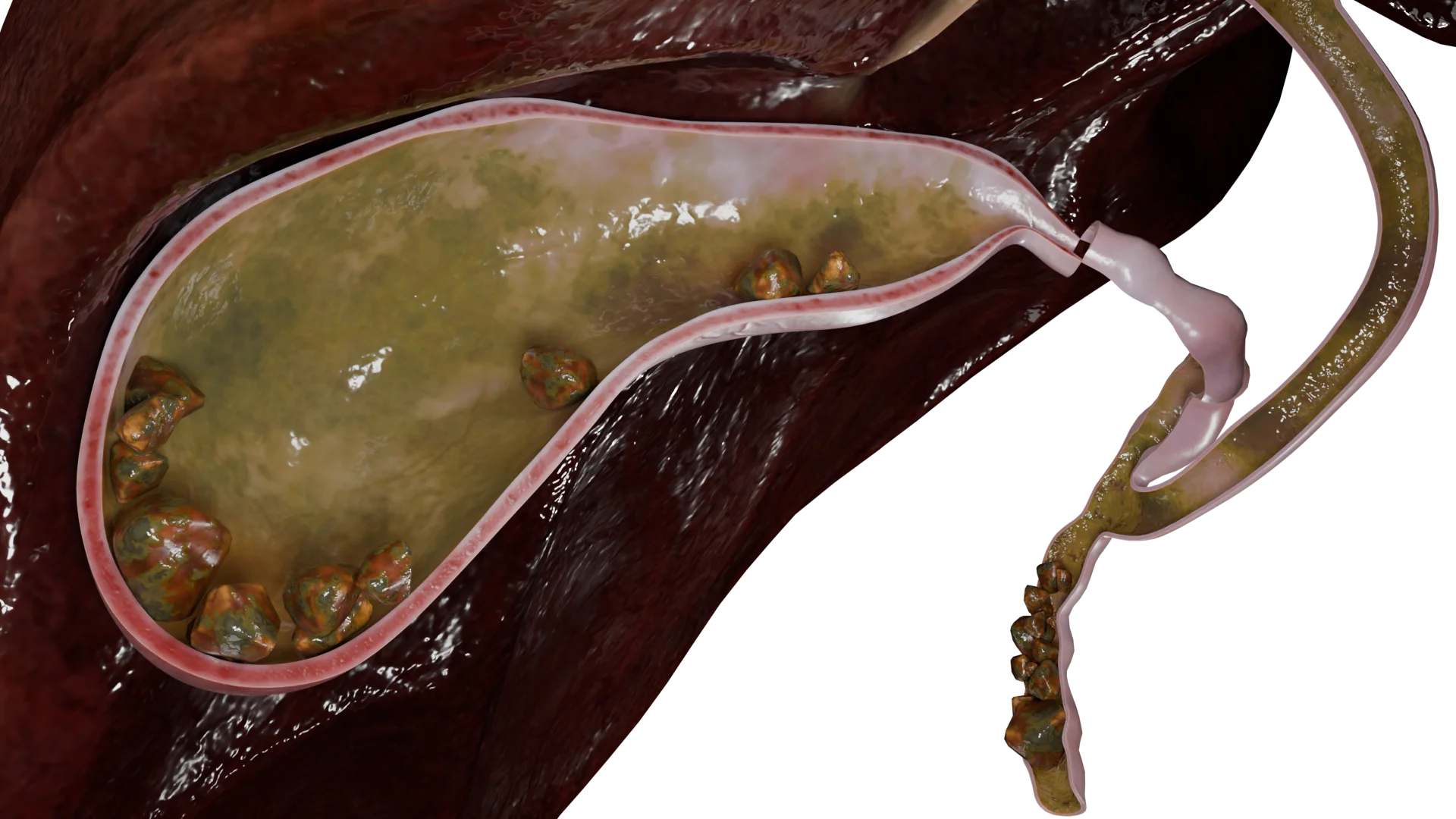
Jaundice as a symptom develops when the biliary tract is obstructed by gallstones. The mechanism of obstruction is purely mechanical. Such patients typically present with yellowish discoloration of the skin, scleral icterus, dark urine and acholic (pale) stools.
Chronic cholecystitis and choledocholithiasis in the setting of gallstone disease – 3D Model
Dyspeptic manifestations are characterized by symptoms such as nausea, vomiting that does not bring relief, abdominal bloating, heartburn and decreased appetite.
Diagnosis of gallstone disease
Diagnosis of gallstone disease is based on physical examination, imaging and laboratory diagnostic methods.
Find more scientifically accurate content on our social media
Subscribe and don’t miss out the latest resources
Treatment of gallstone disease
Gallstone disease may be treated both with non-surgical therapy and surgical interventions.
Non-surgical therapy
Lifestyle modification is a key component in the treatment of gallstone disease:
Patients are advised to: avoid fatty, smoked and high-salt foods.
Elimination of unhealthy habits: including alcohol withdrawal and smoking cessation.
Pharmacological therapy involves several groups of medications, depending on the therapeutic goal:
For pain relief: antispasmodic agents and nonsteroidal anti-inflammatory drugs (NSAIDs) are used.
Pathogenetic therapy: includes the use of ursodeoxycholic acid agents.
For the management of dyspeptic symptoms, prokinetic agents and proton pump inhibitors (PPIs) are prescribed.
During exacerbations: infusion therapy is administered for detoxification purposes.
As well, antibiotics are used to control infectious processes.
If conservative therapy appears ineffective, surgical intervention is indicated.
Surgical treatment
The main surgical procedures are aimed at removing the gallbladder or extracting stones from the bile ducts:
Cholecystectomy : removal of the gallbladder. It may be performed either as an elective or emergency procedure. Two primary surgical access types are used:
Laparoscopic cholecystectomy is performed through small incisions and considered the “gold standard” technique.
Open (laparotomic) cholecystectomy is performed through a conventional abdominal incision.
Choledocholithotomy: removal of stones from the common bile duct in cases where they have migrated from the gallbladder.
Sometimes, as part of an elective procedure, a patient may undergo a non-invasive treatment called lithotripsy that is the breaking up of stones using focused shock waves without any incisions. This method is used infrequently and is suitable only for certain types of gallstones.
FAQ
1. What are the causes and risk factors for the development of gallstone disease?
The primary causes of gallstone disease are bilirubin and cholesterol metabolism disorders, which lead to bile sludge and the formation of gallstones. Key risk factors include an imbalanced diet high in fats, low physical activity, female sex, advanced age, genetic predisposition, endocrine disorders, smoking, alcohol consumption, and impaired bile outflow.
2. How does gallstone disease manifest, and what are its symptoms?
Gallstone disease often remains asymptomatic (a condition known as silent stones). When clinical manifestations are present, the main symptom is an episode of pain in the right upper quadrant (biliary colic), which typically occurs after the consumption of fatty foods. Dyspeptic symptoms such as nausea, vomiting, bloating and heartburn may also be observed.
3. What are the potential complications and risks of gallstone disease?
The major danger and primary complication is mechanical obstruction of the biliary tract by a gallstone. This condition can lead to severe attacks of biliary colic, fever and obstructive jaundice, characterized by yellowing of the skin, dark urine, and pale (acholic) stools.
4. What diet and nutritional recommendations are advised for patients with gallstone disease, and which foods should be avoided?
Diet is an essential component of the non-surgical therapy. It is recommended to exclude fatty, smoked, and salty foods from the diet. Patients should also avoid alcohol consumption and smoking, as these factors can trigger exacerbations of the disease.
5. How to relieve an episode of biliary colic in gallstone disease?
An acute attack of biliary colic is relieved with pharmacological therapy. Antispasmodic agents are administered to relieve smooth muscle spasm of the biliary tract, while nonsteroidal anti-inflammatory drugs (NSAIDs) are used to reduce pain and inflammation. During exacerbations, infusion therapy may be administered for detoxification and supportive care.
6. Is it possible to treat gallstone disease without surgery?
Yes. Non-surgical (conservative) treatment is the primary approach when there are no indications for emergency surgery. It includes several therapeutic approaches. The main pathogenetic treatment involves the use of ursodeoxycholic acid (UDCA) agents, which, when administered over a prolonged period, can dissolve cholesterol gallstones. In selected cases, a noninvasive procedure called lithotripsy (stone fragmentation using focused shock waves) may also be applied. An essential component of such a treatment is adherence to a strict diet.
7. What are the indications for surgical intervention in gallstone disease?
Surgical treatment, including gallbladder removal (cholecystectomy), is indicated when non-surgical therapy appears ineffective and biliary colic episodes cannot be relieved and occur despite the therapy. The procedure may be performed either electively or on an emergency basis.
8. Is there a way to prevent gallstone disease?
Prevention focuses on minimizing risk factors. Preventive measures include maintaining a healthy diet, regular physical activity, controlling body weight and comorbid conditions and avoiding bad habits.
9. Can gallstone disease occur in children?
Yes, gallstone disease can occur in children, although it is significantly less common than in adults. Unlike in adults, the main risk factors in children are often not related to lifestyle but to underlying medical conditions such as hemolytic anemias (for example, sickle cell anemia), prolonged parenteral nutrition, prematurity, cystic fibrosis and congenital abnormalities of the biliary tract. Clinical presentation in pediatric patients may be atypical, ranging from abdominal pain and nausea to completely asymptomatic cases. Treatment depends on the presence of symptoms: in asymptomatic cases, a watchful waiting approach may be appropriate, whereas in symptomatic patients, the main method of treatment — as in adults — is gallbladder removal (cholecystectomy).
References
1.
VOKA 3D Anatomy & Pathology – Complete Anatomy and Pathology 3D Atlas. VOKA 3D Anatomy & Pathology.
Available from: https://catalog.voka.io/
2.
Dadvani SA, Vetshev PS, Shulutko AM, Prudkov MI. Zhelchnokamennaya bolezn’ [Gallstone disease]. Moscow: Vidar; 2000. 144 p. [In Russian.]
3.
Dorofeeva SG, Konoplya EN, Mansimova OV, Shelukhina AN, Anyushonkov OS. Zhelchnokamennaya bolezn’: sovremennye predstavleniya ob etiologii i patogeneze [Gallstone disease: current concepts of etiology and pathogenesis]. Integrativnye tendentsii v meditsine i obrazovanii [Integrative Trends in Medicine and Education]. 2020;2:21–25. [In Russian.]
4.
Ivashkin VT, Maev IV, Baranskaya EK. Rekomendatsii Rossiiskoi gastroenterologicheskoi assotsiatsii po diagnostike i lecheniyu zhelchnokamennoi bolezni [Recommendations of the Russian Gastroenterological Association for the diagnosis and treatment of gallstone disease]. RZhGGK [Russian Journal of Gastroenterology, Hepatology, Coloproctology]. 2016;3:64–80.
5.
European Association for the Study of the Liver (EASL). EASL Clinical Practice Guidelines on the prevention, diagnosis and treatment of gallstones. J Hepatol. 2016;65(1):146–181. doi:10.1016/j.jhep.2016.03.005
6.
Leishner U. Prakticheskoe rukovodstvo po zabolevaniyam zhelchnykh putei [Practical guide to biliary tract diseases]. Moscow: GEOTAR-Meditsina; 2001. 264 p. [In Russian.]
7.
Litovskii IA, Gordienko AV. Zhelchnokamennaya bolezn’, kholetsistity i nekotorye assotsiirovannye s nimi zabolevaniya: voprosy patogeneza, diagnostiki, lecheniya [Gallstone disease, cholecystitis and some associated diseases: issues of pathogenesis, diagnosis, treatment]. Saint Petersburg: SpetsLit; 2019. 358 p. [In Russian.]
8.
Podoluzhnyi VI. Oslozhneniya zhelchnokamennoi bolezni [Complications of gallstone disease]. Fundamentalnaya i Klinicheskaya Meditsina [Fundamental and Clinical Medicine]. 2017;2(1):102–114. [In Russian.]
9.
Saveliev VS, Kirienko AI, editors. Khirurgicheskie bolezni [Surgical diseases]. Vol. 1. Moscow: GEOTAR-Media; 2005. p. 179-183. 185–201. [In Russian.]
10.
Skvortsov VV, Khalilova UA. Diagnostika i lechenie zhelchnokamennoi bolezni [Diagnosis and treatment of gallstone disease]. Eksperimentalnaya i Klinicheskaya Gastroenterologiya [Experimental and Clinical Gastroenterology]. 2018;157(9):142–150. [In Russian.]
11.
Uspenskii YuP, Fominykh YuA, Nadzhafova KN. Lipidnyi obmen u lits s zhelchnokamennoi bolezn’yu [Lipid metabolism in patients with gallstone disease]. University Therapeutic Journal. 2020;2(1):74–75. [In Russian.]
12.
Khimich SD. Analiz morfo-funktsional’nykh osobennostei razvitiya i techeniya nekotorykh ostrykh khirurgicheskikh zabolevanii organov bryushnoi polosti u lits s ozhireniem: avtoreferat dissertatsii na soiskanie uchenoi stepeni doktora meditsinskikh nauk [Analysis of morphofunctional features of the development and course of certain acute surgical diseases of the abdominal organs in obese patients: dissertation abstract]. Moscow; 2002. 38 p. [In Russian.]
13.
Barak O., Elazary R., Appelbaum L., Rivkind A., Almogy G. Conservative treatment for acute cholecystitis: clinical and radiographic predictors of failure. Isr Med Assoc J, 2009; 11: 739–743.
Cotton P.B., Elta G.H., Carter C.R., Pasricha P.J., Corazziari E.S. Rome IV. Gallbladder and Sphincter of Oddi Disorders. Gastroenterology, 2016 Feb 19. pii: S0016-5085(16)00224-9.
16.
McGlone E.R., Bloom S.R. Bile acids and the metabolic syndrome. Annals of Clinical Biochemistry, 2019, т. 56, № 3, p. 326–337.
17.
Wang Y., Qi M., Qin C., Hong J. Role of the biliary microbiome in gallstone disease. Expert Review of Gastroenterology & Hepatology, 2018, T 12, № 12, p. 1193–1205.
50 Franklin Street, STE 203 Boston, MA 02110 United States
Thank you!
Your message is sent! Our experts will contact you shortly. If you have any additional questions, please contact us at info@voka.io
Cookie Consent
We use cookies to enhance your browsing experience, analyze site traffic, and deliver content. Please choose whether you accept all cookies or wish to reject non-essential tracking.
Cookie Preferences
Manage your cookie preferences below:
Essential cookies enable basic functions and are necessary for the proper function of the website.
Name
Description
Duration
Geolocation Config
This cookie is used to store the consent settings based on the visitor's location.
30 days
Cookie Preferences
This cookie is used to store the user's cookie consent preferences.
30 days
Google reCAPTCHA helps protect websites from spam and abuse by verifying user interactions through challenges.
Name
Description
Duration
_GRECAPTCHA
Google reCAPTCHA sets a necessary cookie (_GRECAPTCHA) when executed for the purpose of providing its risk analysis.
179 days
Statistics cookies collect information anonymously. This information helps us understand how visitors use our website.
Google Analytics is a powerful tool that tracks and analyzes website traffic for informed marketing decisions.
Used to monitor number of Google Analytics server requests when using Google Tag Manager
1 minute
_gac_
Contains information related to marketing campaigns of the user. These are shared with Google AdWords / Google Ads when the Google Ads and Google Analytics accounts are linked together.
90 days
__utma
ID used to identify users and sessions
2 years after last activity
__utmt
Used to monitor number of Google Analytics server requests
10 minutes
__utmb
Used to distinguish new sessions and visits. This cookie is set when the GA.js javascript library is loaded and there is no existing __utmb cookie. The cookie is updated every time data is sent to the Google Analytics server.
30 minutes after last activity
__utmc
Used only with old Urchin versions of Google Analytics and not with GA.js. Was used to distinguish between new sessions and visits at the end of a session.
End of session (browser)
__utmz
Contains information about the traffic source or campaign that directed user to the website. The cookie is set when the GA.js javascript is loaded and updated when data is sent to the Google Anaytics server
6 months after last activity
__utmv
Contains custom information set by the web developer via the _setCustomVar method in Google Analytics. This cookie is updated every time new data is sent to the Google Analytics server.
2 years after last activity
__utmx
Used to determine whether a user is included in an A / B or Multivariate test.
18 months
_ga
ID used to identify users
2 years
_gali
Used by Google Analytics to determine which links on a page are being clicked
30 seconds
_ga_
ID used to identify users
2 years
_gid
ID used to identify users for 24 hours after last activity
24 hours
Clarity is a web analytics service that tracks and reports website traffic.