Palatine bone anatomy quiz
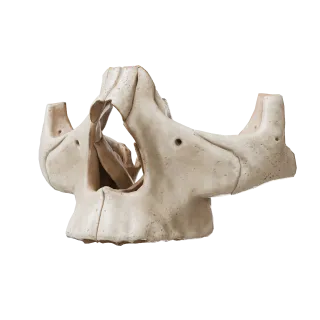
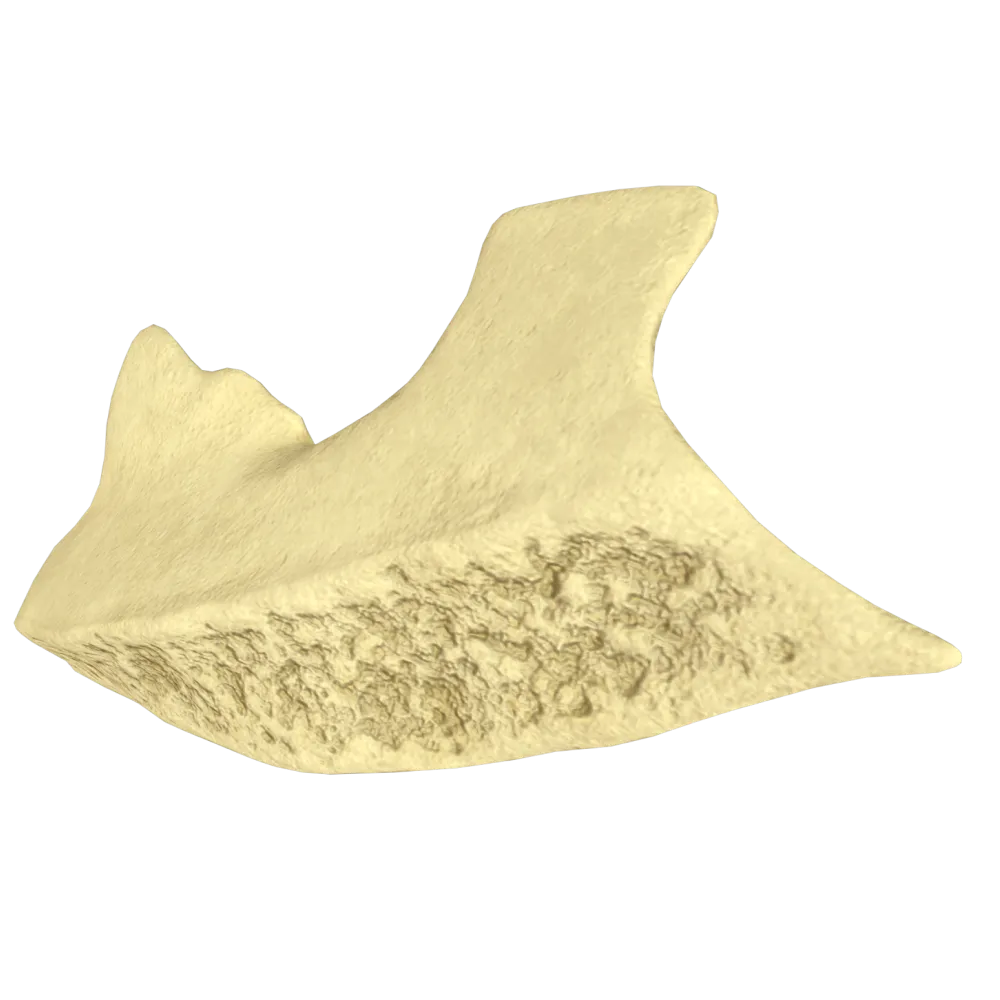
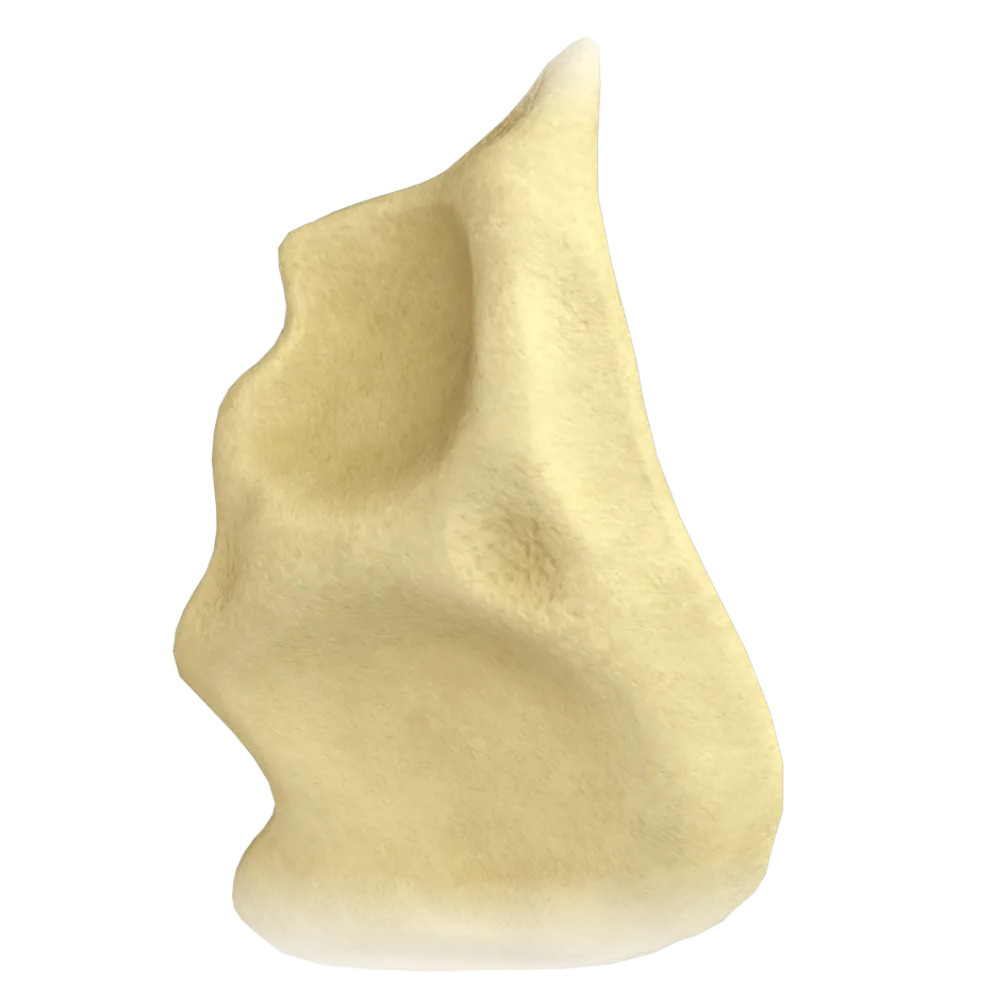
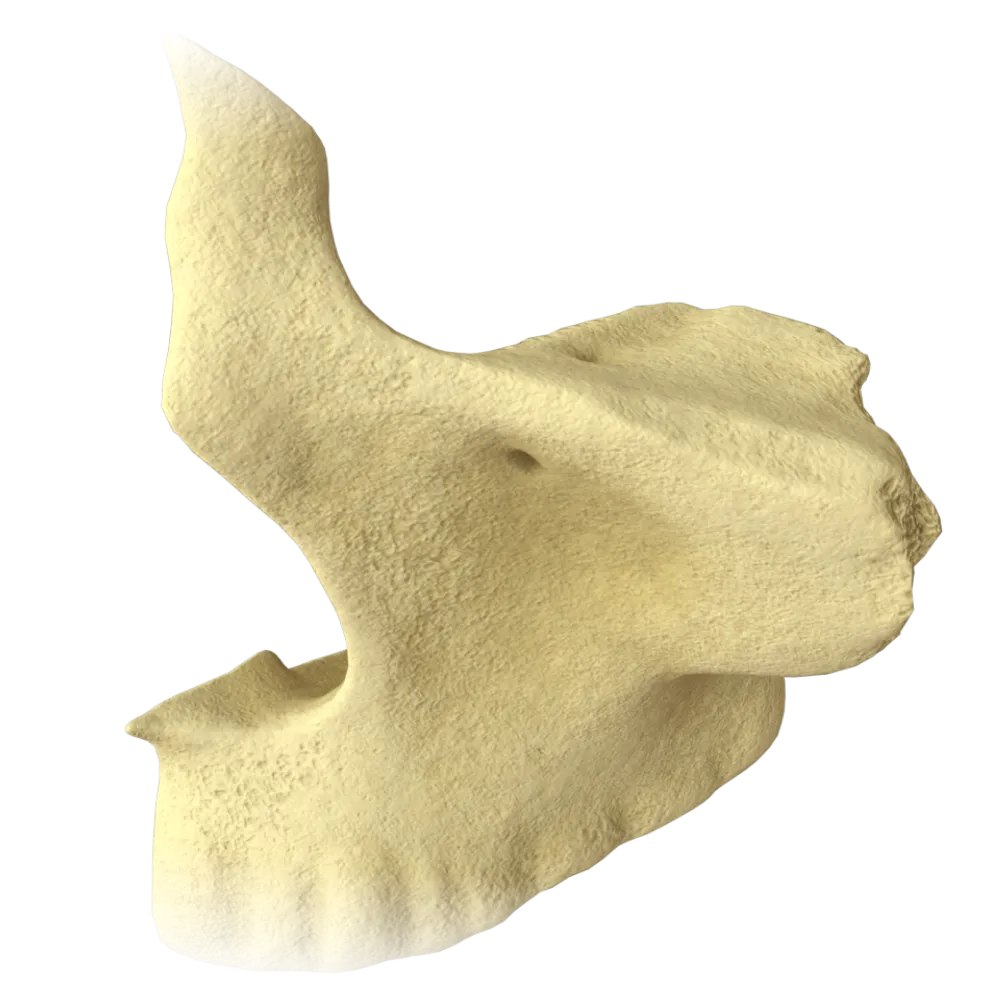
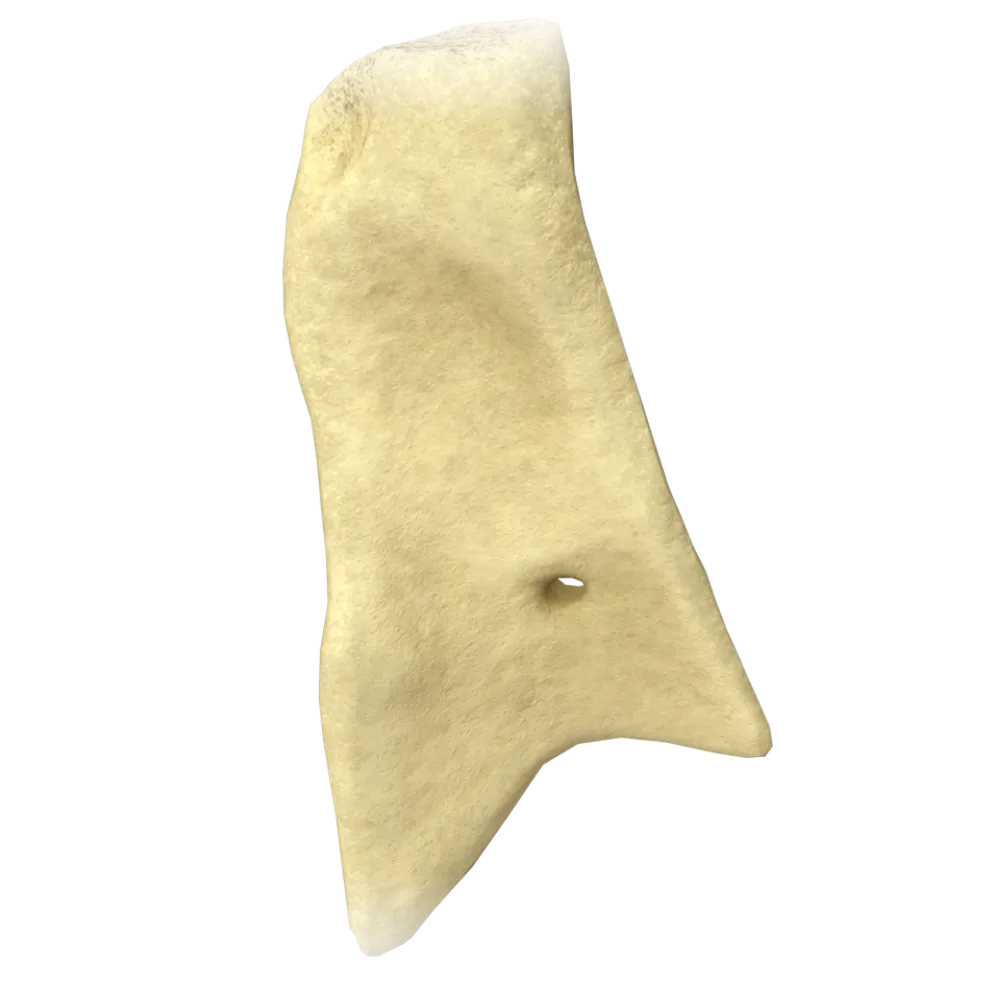
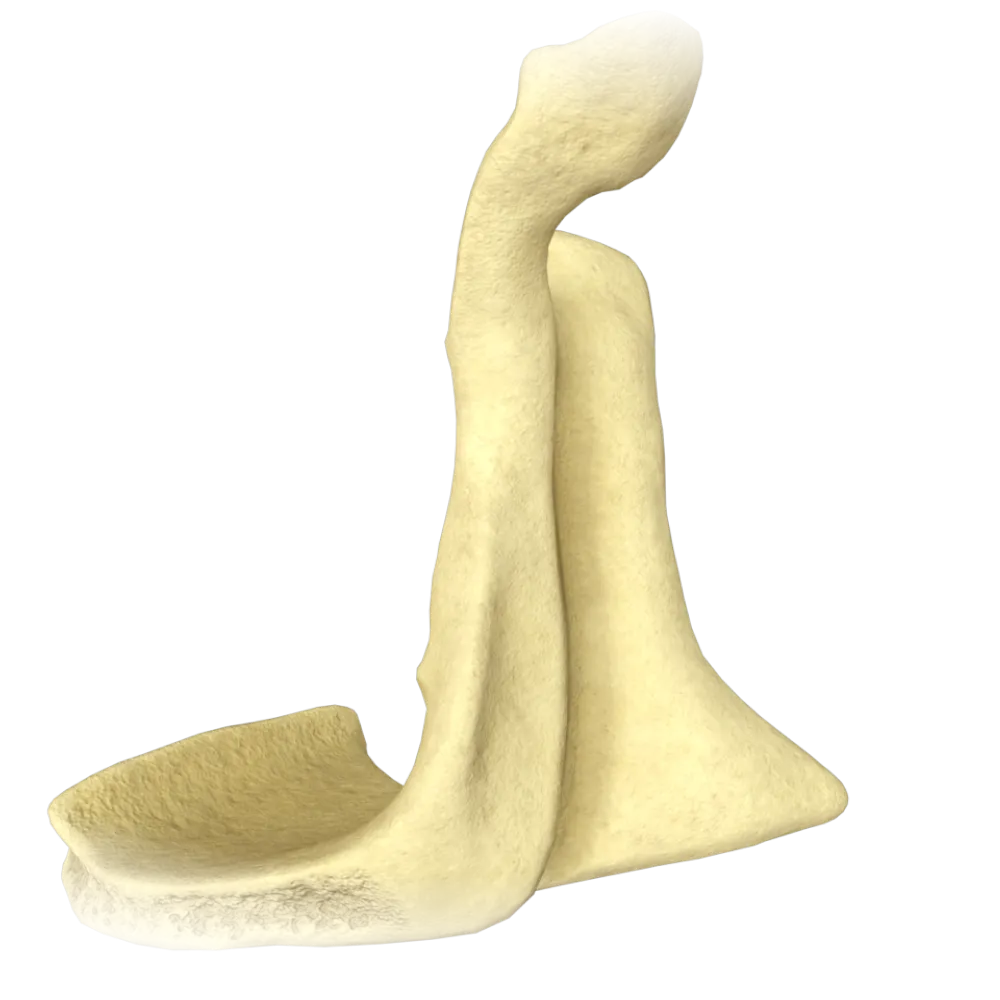
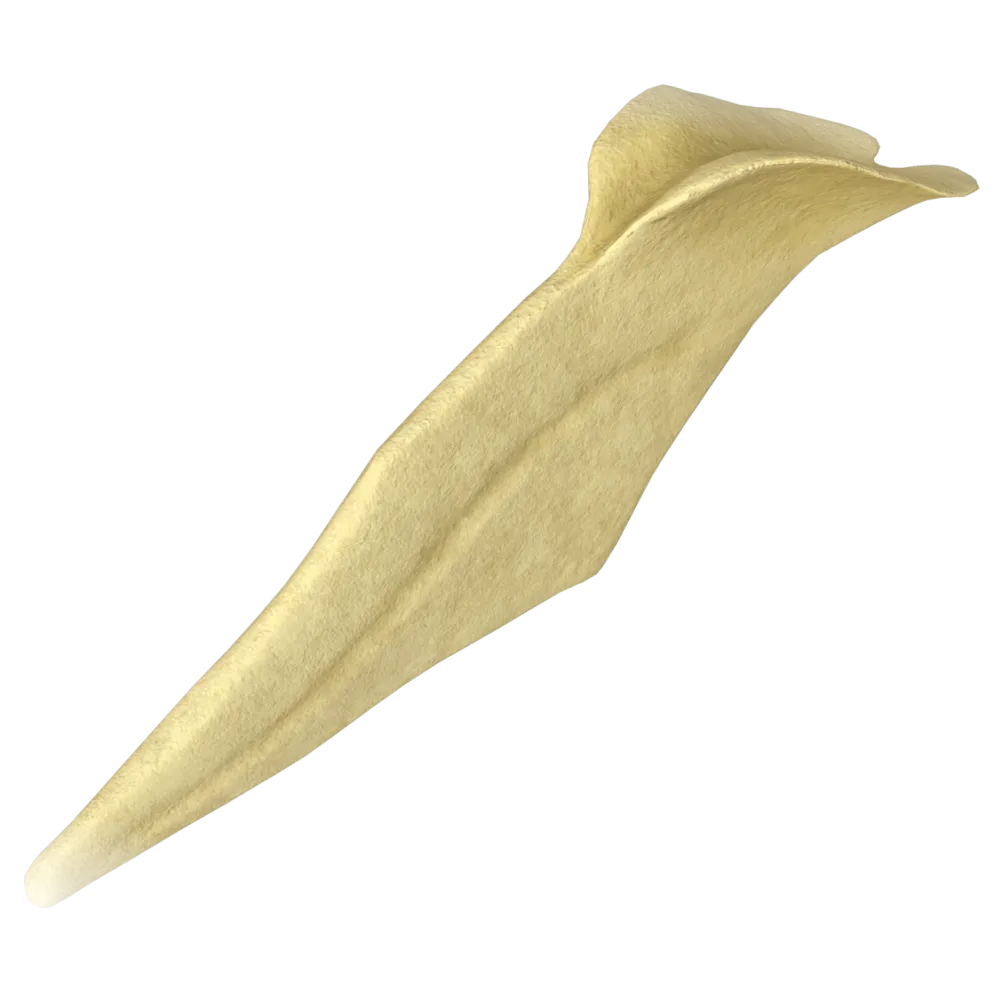
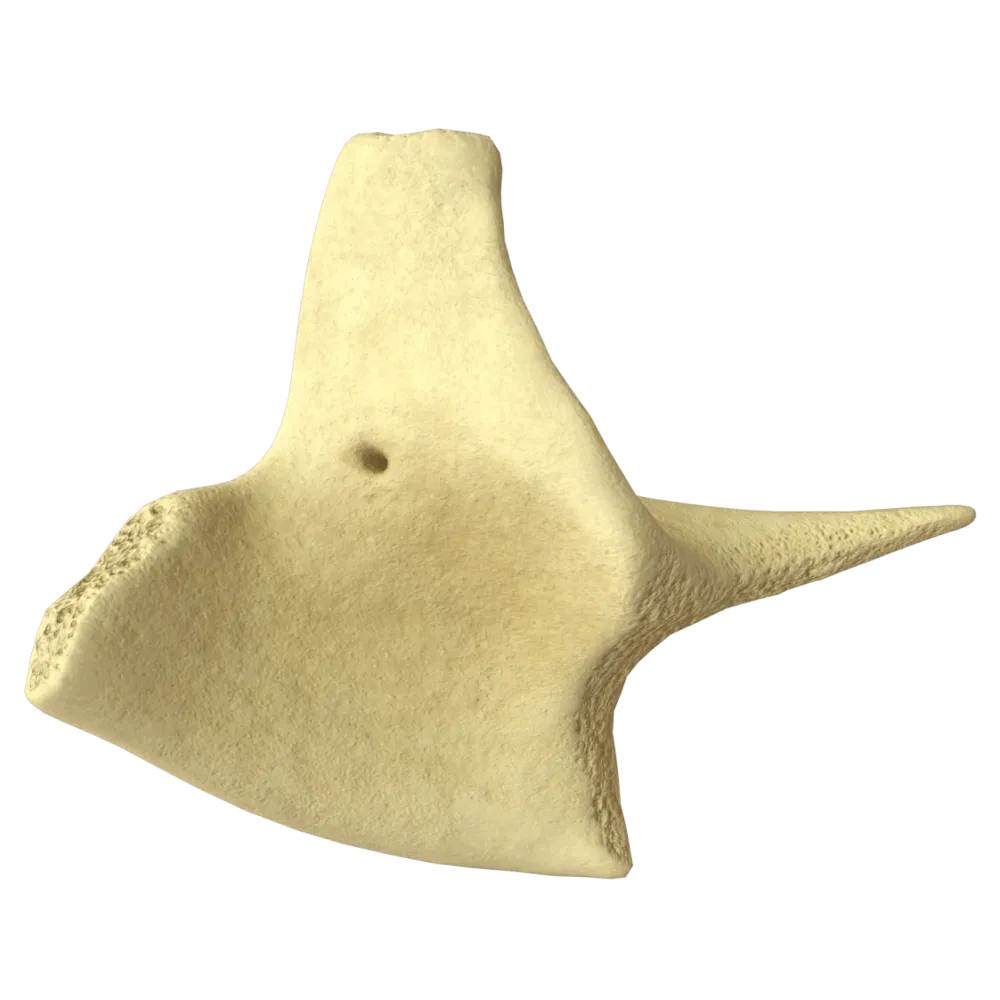
The quiz covers the structure, parts, surfaces, processes, and anatomical relationships of the palatine bone in systemic anatomy.
1/20
bold
text
1. What is the Latin name for the palatine bone?
-
Sphenoid bone
Os palatinum — the palatine bone (a paired bone of the viscerocranium that contributes to the formation of the oral cavity, nasal cavity, and orbit).
-
Hyoid bone
Os palatinum — the palatine bone (a paired bone of the viscerocranium that contributes to the formation of the oral cavity, nasal cavity, and orbit).
-
Lacrimal bone
Os palatinum — the palatine bone (a paired bone of the viscerocranium that contributes to the formation of the oral cavity, nasal cavity, and orbit).
-
Palatine bone
Os palatinum — the palatine bone (a paired bone of the viscerocranium that contributes to the formation of the oral cavity, nasal cavity, and orbit).
-
I find it difficult to answer
Os palatinum — the palatine bone (a paired bone of the viscerocranium that contributes to the formation of the oral cavity, nasal cavity, and orbit).
2. What are the two main plates of the palatine bone?
-
Horizontal and perpendicular
The palatine bone consists of a horizontal plate (lamina horizontalis) and a perpendicular plate (lamina perpendicularis), joined at a right angle.
-
Medial and lateral
The palatine bone consists of a horizontal plate (lamina horizontalis) and a perpendicular plate (lamina perpendicularis), joined at a right angle.
-
Anterior and posterior
The palatine bone consists of a horizontal plate (lamina horizontalis) and a perpendicular plate (lamina perpendicularis), joined at a right angle.
-
Superior and inferior
The palatine bone consists of a horizontal plate (lamina horizontalis) and a perpendicular plate (lamina perpendicularis), joined at a right angle.
-
I find it difficult to answer
The palatine bone consists of a horizontal plate (lamina horizontalis) and a perpendicular plate (lamina perpendicularis), joined at a right angle.
3. Which process of the palatine bone extends superiorly and medially, reaching the body of the sphenoid bone?
-
Pyramidal process
The sphenoidal process (processus sphenoidalis) extends superiorly and medially, articulating with the body of the sphenoid bone and partially closing the sphenopalatine foramen.
-
Orbital process
The sphenoidal process (processus sphenoidalis) extends superiorly and medially, articulating with the body of the sphenoid bone and partially closing the sphenopalatine foramen.
-
Sphenoidal process
The sphenoidal process (processus sphenoidalis) extends superiorly and medially, articulating with the body of the sphenoid bone and partially closing the sphenopalatine foramen.
-
Nasal process
The sphenoidal process (processus sphenoidalis) extends superiorly and medially, articulating with the body of the sphenoid bone and partially closing the sphenopalatine foramen.
-
I find it difficult to answer
The sphenoidal process (processus sphenoidalis) extends superiorly and medially, articulating with the body of the sphenoid bone and partially closing the sphenopalatine foramen.
4. Which process of the palatine bone articulates with the orbital surface of the maxilla and the greater wing of the sphenoid bone?
-
Sphenoidal process
The orbital process (processus orbitalis) is located at the superolateral angle of the perpendicular plate and contributes to the formation of the inferior wall of the orbit, articulating with the maxilla and the greater wing of the sphenoid bone.
-
Pyramidal process
The orbital process (processus orbitalis) is located at the superolateral angle of the perpendicular plate and contributes to the formation of the inferior wall of the orbit, articulating with the maxilla and the greater wing of the sphenoid bone.
-
Orbital process
The orbital process (processus orbitalis) is located at the superolateral angle of the perpendicular plate and contributes to the formation of the inferior wall of the orbit, articulating with the maxilla and the greater wing of the sphenoid bone.
-
Uncinate process
The orbital process (processus orbitalis) is located at the superolateral angle of the perpendicular plate and contributes to the formation of the inferior wall of the orbit, articulating with the maxilla and the greater wing of the sphenoid bone.
-
I find it difficult to answer
The orbital process (processus orbitalis) is located at the superolateral angle of the perpendicular plate and contributes to the formation of the inferior wall of the orbit, articulating with the maxilla and the greater wing of the sphenoid bone.
5. Which process of the palatine bone projects into the angle between the pterygoid plates of the sphenoid bone?
-
Orbital process
The pyramidal process (processus pyramidalis) arises from the junction of the horizontal and perpendicular plates and extends posteriorly and laterally, projecting into the notch between the medial and lateral plates of the pterygoid process of the sphenoid bone.
-
Sphenoidal process
The pyramidal process (processus pyramidalis) arises from the junction of the horizontal and perpendicular plates and extends posteriorly and laterally, projecting into the notch between the medial and lateral plates of the pterygoid process of the sphenoid bone.
-
Nasal process
The pyramidal process (processus pyramidalis) arises from the junction of the horizontal and perpendicular plates and extends posteriorly and laterally, projecting into the notch between the medial and lateral plates of the pterygoid process of the sphenoid bone.
-
Pyramidal process
The pyramidal process (processus pyramidalis) arises from the junction of the horizontal and perpendicular plates and extends posteriorly and laterally, projecting into the notch between the medial and lateral plates of the pterygoid process of the sphenoid bone.
-
I find it difficult to answer
The pyramidal process (processus pyramidalis) arises from the junction of the horizontal and perpendicular plates and extends posteriorly and laterally, projecting into the notch between the medial and lateral plates of the pterygoid process of the sphenoid bone.
6. The horizontal plate of the palatine bone contributes to the formation of which anatomical structure?
-
Medial wall of the nasal cavity
The horizontal plate (lamina horizontalis) of the palatine bone forms the posterior part of the bony hard palate (palatum osseum), articulating anteriorly with the palatine process of the maxilla.
-
Hard palate
The horizontal plate (lamina horizontalis) of the palatine bone forms the posterior part of the bony hard palate (palatum osseum), articulating anteriorly with the palatine process of the maxilla.
-
Inferior wall of the orbit
The horizontal plate (lamina horizontalis) of the palatine bone forms the posterior part of the bony hard palate (palatum osseum), articulating anteriorly with the palatine process of the maxilla.
-
Lateral wall of the nasal cavity
The horizontal plate (lamina horizontalis) of the palatine bone forms the posterior part of the bony hard palate (palatum osseum), articulating anteriorly with the palatine process of the maxilla.
-
I find it difficult to answer
The horizontal plate (lamina horizontalis) of the palatine bone forms the posterior part of the bony hard palate (palatum osseum), articulating anteriorly with the palatine process of the maxilla.
7. The greater palatine groove (sulcus palatinus major) of the palatine bone contributes to the formation of which canal?
-
Ethmoidal canal (canalis ethmoidalis)
The greater palatine groove (sulcus palatinus major) is located on the lateral surface of the perpendicular plate of the palatine bone. Together with the corresponding grooves on the maxilla and the pterygoid process of the sphenoid bone, it forms the greater palatine canal (canalis palatinus major).
-
Pterygoid canal (canalis pterygoideus)
The greater palatine groove (sulcus palatinus major) is located on the lateral surface of the perpendicular plate of the palatine bone. Together with the corresponding grooves on the maxilla and the pterygoid process of the sphenoid bone, it forms the greater palatine canal (canalis palatinus major).
-
Greater palatine canal (canalis palatinus major)
The greater palatine groove (sulcus palatinus major) is located on the lateral surface of the perpendicular plate of the palatine bone. Together with the corresponding grooves on the maxilla and the pterygoid process of the sphenoid bone, it forms the greater palatine canal (canalis palatinus major).
-
Incisive canal (canalis incisivus)
The greater palatine groove (sulcus palatinus major) is located on the lateral surface of the perpendicular plate of the palatine bone. Together with the corresponding grooves on the maxilla and the pterygoid process of the sphenoid bone, it forms the greater palatine canal (canalis palatinus major).
-
I find it difficult to answer
The greater palatine groove (sulcus palatinus major) is located on the lateral surface of the perpendicular plate of the palatine bone. Together with the corresponding grooves on the maxilla and the pterygoid process of the sphenoid bone, it forms the greater palatine canal (canalis palatinus major).
8. To which crest of the perpendicular plate of the palatine bone does the inferior turbinate attach?
-
To the ethmoidal crest (crista ethmoidalis)
Two parallel crests are located on the medial (nasal) surface of the perpendicular plate of the palatine bone. The conchal crest (crista conchalis) is located inferiorly; the posterior end of the inferior turbinate attaches to it.
-
To the conchal crest (crista conchalis)
Two parallel crests are located on the medial (nasal) surface of the perpendicular plate of the palatine bone. The conchal crest (crista conchalis) is located inferiorly; the posterior end of the inferior turbinate attaches to it.
-
To the nasal crest (crista nasalis)
Two parallel crests are located on the medial (nasal) surface of the perpendicular plate of the palatine bone. The conchal crest (crista conchalis) is located inferiorly; the posterior end of the inferior turbinate attaches to it.
-
To the lacrimal crest (crista lacrimalis)
Two parallel crests are located on the medial (nasal) surface of the perpendicular plate of the palatine bone. The conchal crest (crista conchalis) is located inferiorly; the posterior end of the inferior turbinate attaches to it.
-
I find it difficult to answer
Two parallel crests are located on the medial (nasal) surface of the perpendicular plate of the palatine bone. The conchal crest (crista conchalis) is located inferiorly; the posterior end of the inferior turbinate attaches to it.
9. The perpendicular plate of the palatine bone comprises two surfaces. What are they called?
-
Anterior and posterior surfaces
The perpendicular plate comprises a nasal surface (facies nasalis), facing the nasal cavity, and a maxillary surface (facies maxillaris), facing the maxillary tuberosity.
-
Nasal and maxillary surfaces
The perpendicular plate comprises a nasal surface (facies nasalis), facing the nasal cavity, and a maxillary surface (facies maxillaris), facing the maxillary tuberosity.
-
Medial and lateral surfaces
The perpendicular plate comprises a nasal surface (facies nasalis), facing the nasal cavity, and a maxillary surface (facies maxillaris), facing the maxillary tuberosity.
-
Nasal and orbital surfaces
The perpendicular plate comprises a nasal surface (facies nasalis), facing the nasal cavity, and a maxillary surface (facies maxillaris), facing the maxillary tuberosity.
-
I find it difficult to answer
The perpendicular plate comprises a nasal surface (facies nasalis), facing the nasal cavity, and a maxillary surface (facies maxillaris), facing the maxillary tuberosity.
10. Which crest runs along the nasal surface of the perpendicular plate of the palatine bone and articulates with the middle nasal concha?
-
Ethmoidal crest
The nasal surface of the perpendicular plate bears the ethmoidal crest (crista ethmoidalis), to which the middle nasal concha (part of the ethmoid bone) attaches.
-
Nasal crest
The nasal surface of the perpendicular plate bears the ethmoidal crest (crista ethmoidalis), to which the middle nasal concha (part of the ethmoid bone) attaches.
-
Conchal crest
The nasal surface of the perpendicular plate bears the ethmoidal crest (crista ethmoidalis), to which the middle nasal concha (part of the ethmoid bone) attaches.
-
Lacrimal crest
The nasal surface of the perpendicular plate bears the ethmoidal crest (crista ethmoidalis), to which the middle nasal concha (part of the ethmoid bone) attaches.
-
I find it difficult to answer
The nasal surface of the perpendicular plate bears the ethmoidal crest (crista ethmoidalis), to which the middle nasal concha (part of the ethmoid bone) attaches.
11. The palatine bone (os palatinum) contributes to the formation of which wall of the orbit?
-
Superior wall (paries superior)
The palatine bone contributes to the formation of the inferior wall (floor) of the orbit through its orbital process (processus orbitalis).
-
Inferior wall (paries inferior)
The palatine bone contributes to the formation of the inferior wall (floor) of the orbit through its orbital process (processus orbitalis).
-
Medial wall (paries medialis)
The palatine bone contributes to the formation of the inferior wall (floor) of the orbit through its orbital process (processus orbitalis).
-
Lateral wall (paries lateralis)
The palatine bone contributes to the formation of the inferior wall (floor) of the orbit through its orbital process (processus orbitalis).
-
I find it difficult to answer
The palatine bone contributes to the formation of the inferior wall (floor) of the orbit through its orbital process (processus orbitalis).
12. The sphenopalatine foramen (foramen sphenopalatinum) is formed by:
-
The palatine bone alone
The sphenopalatine foramen is formed by the sphenopalatine notch of the palatine bone (incisura sphenopalatina) and the body of the sphenoid bone, connecting the pterygopalatine fossa with the nasal cavity.
-
The sphenoid bone alone
The sphenopalatine foramen is formed by the sphenopalatine notch of the palatine bone (incisura sphenopalatina) and the body of the sphenoid bone, connecting the pterygopalatine fossa with the nasal cavity.
-
The notch of the palatine bone and the body of the sphenoid bone jointly
The sphenopalatine foramen is formed by the sphenopalatine notch of the palatine bone (incisura sphenopalatina) and the body of the sphenoid bone, connecting the pterygopalatine fossa with the nasal cavity.
-
The palatine bone and maxilla jointly
The sphenopalatine foramen is formed by the sphenopalatine notch of the palatine bone (incisura sphenopalatina) and the body of the sphenoid bone, connecting the pterygopalatine fossa with the nasal cavity.
-
I find it difficult to answer
The sphenopalatine foramen is formed by the sphenopalatine notch of the palatine bone (incisura sphenopalatina) and the body of the sphenoid bone, connecting the pterygopalatine fossa with the nasal cavity.
13. With which bone does the horizontal plate of the palatine bone articulate at the median suture?
-
With the ethmoid bone
The two horizontal plates of the right and left palatine bones articulate with each other at the median palatine suture (sutura palatina mediana), forming the posterior part of the hard palate.
-
With the contralateral palatine bone
The two horizontal plates of the right and left palatine bones articulate with each other at the median palatine suture (sutura palatina mediana), forming the posterior part of the hard palate.
-
With the vomer
The two horizontal plates of the right and left palatine bones articulate with each other at the median palatine suture (sutura palatina mediana), forming the posterior part of the hard palate.
-
With the maxilla
The two horizontal plates of the right and left palatine bones articulate with each other at the median palatine suture (sutura palatina mediana), forming the posterior part of the hard palate.
-
I find it difficult to answer
The two horizontal plates of the right and left palatine bones articulate with each other at the median palatine suture (sutura palatina mediana), forming the posterior part of the hard palate.
14. Which of the following foramina are formed exclusively by the palatine bone (os palatinum) and do not require the involvement of adjacent bony structures?
-
Greater palatine foramen (foramen palatinum majus)
The lesser palatine foramina (foramina palatina minora) are located entirely within the palatine bone. They independently perforate this bone and transmit the lesser palatine vessels and nerves.
-
Lesser palatine foramina (foramina palatina minora)
The lesser palatine foramina (foramina palatina minora) are located entirely within the palatine bone. They independently perforate this bone and transmit the lesser palatine vessels and nerves.
-
Sphenopalatine foramen (foramen sphenopalatinum
The lesser palatine foramina (foramina palatina minora) are located entirely within the palatine bone. They independently perforate this bone and transmit the lesser palatine vessels and nerves.
-
Infraorbital foramen (foramen infraorbitale)
The lesser palatine foramina (foramina palatina minora) are located entirely within the palatine bone. They independently perforate this bone and transmit the lesser palatine vessels and nerves.
-
I find it difficult to answer
The lesser palatine foramina (foramina palatina minora) are located entirely within the palatine bone. They independently perforate this bone and transmit the lesser palatine vessels and nerves.
15. The nasal crest (crista nasalis) of the horizontal plate of the palatine bone articulates with:
-
The inferior border of the vomer
The nasal crest (crista nasalis) along the medial border of the horizontal plate articulates with the inferior border of the vomer (vomer), contributing to the formation of the bony nasal septum.
-
The perpendicular plate of the ethmoid bone
The nasal crest (crista nasalis) along the medial border of the horizontal plate articulates with the inferior border of the vomer (vomer), contributing to the formation of the bony nasal septum.
-
The choanal border of the sphenoid bone
The nasal crest (crista nasalis) along the medial border of the horizontal plate articulates with the inferior border of the vomer (vomer), contributing to the formation of the bony nasal septum.
-
The inferior turbinate
The nasal crest (crista nasalis) along the medial border of the horizontal plate articulates with the inferior border of the vomer (vomer), contributing to the formation of the bony nasal septum.
-
I find it difficult to answer
The nasal crest (crista nasalis) along the medial border of the horizontal plate articulates with the inferior border of the vomer (vomer), contributing to the formation of the bony nasal septum.
16. Which surface of the perpendicular plate of the palatine bone forms the medial boundary of the pterygopalatine fossa?
-
Nasal surface
The maxillary surface (facies maxillaris) of the perpendicular plate faces laterally toward the maxillary tuberosity and forms the medial wall of the pterygopalatine fossa (fossa pterygopalatina).
-
Maxillary surface
The maxillary surface (facies maxillaris) of the perpendicular plate faces laterally toward the maxillary tuberosity and forms the medial wall of the pterygopalatine fossa (fossa pterygopalatina).
-
Orbital surface
The maxillary surface (facies maxillaris) of the perpendicular plate faces laterally toward the maxillary tuberosity and forms the medial wall of the pterygopalatine fossa (fossa pterygopalatina).
-
Sphenoidal surface
The maxillary surface (facies maxillaris) of the perpendicular plate faces laterally toward the maxillary tuberosity and forms the medial wall of the pterygopalatine fossa (fossa pterygopalatina).
-
I find it difficult to answer
The maxillary surface (facies maxillaris) of the perpendicular plate faces laterally toward the maxillary tuberosity and forms the medial wall of the pterygopalatine fossa (fossa pterygopalatina).
17. The posterior nasal spine (spina nasalis posterior) is a projection of the:
-
Perpendicular plate of the palatine bone
The posterior nasal spine (spina nasalis posterior) is a sharp, posteriorly directed projection located at the posteromedial angle of the horizontal plate of the palatine bone, where the two horizontal plates fuse along the median line.
-
Posteromedial angle of the horizontal plate of the palatine bone
The posterior nasal spine (spina nasalis posterior) is a sharp, posteriorly directed projection located at the posteromedial angle of the horizontal plate of the palatine bone, where the two horizontal plates fuse along the median line.
-
Pyramidal process of the palatine bone
The posterior nasal spine (spina nasalis posterior) is a sharp, posteriorly directed projection located at the posteromedial angle of the horizontal plate of the palatine bone, where the two horizontal plates fuse along the median line.
-
Sphenoidal process of the palatine bone
The posterior nasal spine (spina nasalis posterior) is a sharp, posteriorly directed projection located at the posteromedial angle of the horizontal plate of the palatine bone, where the two horizontal plates fuse along the median line.
-
I find it difficult to answer
The posterior nasal spine (spina nasalis posterior) is a sharp, posteriorly directed projection located at the posteromedial angle of the horizontal plate of the palatine bone, where the two horizontal plates fuse along the median line.
18. The palatine bone contributes to the formation of the orbit through its:
-
Horizontal plate
The orbital process (processus orbitalis) of the palatine bone contributes to the formation of a small portion of the inferior wall of the orbit and is located between the maxilla and the greater wing of the sphenoid bone.
-
Pyramidal process
The orbital process (processus orbitalis) of the palatine bone contributes to the formation of a small portion of the inferior wall of the orbit and is located between the maxilla and the greater wing of the sphenoid bone.
-
Orbital process
The orbital process (processus orbitalis) of the palatine bone contributes to the formation of a small portion of the inferior wall of the orbit and is located between the maxilla and the greater wing of the sphenoid bone.
-
Sphenoidal process
The orbital process (processus orbitalis) of the palatine bone contributes to the formation of a small portion of the inferior wall of the orbit and is located between the maxilla and the greater wing of the sphenoid bone.
-
I find it difficult to answer
The orbital process (processus orbitalis) of the palatine bone contributes to the formation of a small portion of the inferior wall of the orbit and is located between the maxilla and the greater wing of the sphenoid bone.
19. The greater palatine canal (canalis palatinus major) is formed by the grooves of which bones?
-
The palatine bone and ethmoid bone
The greater palatine canal is formed by the greater palatine groove (sulcus palatinus major) on the maxillary surface of the perpendicular plate of the palatine bone and the corresponding groove on the maxillary tuberosity, forming a canal for passage of the greater palatine nerve and vessels.
-
The palatine bone and sphenoid bone
The greater palatine canal is formed by the greater palatine groove (sulcus palatinus major) on the maxillary surface of the perpendicular plate of the palatine bone and the corresponding groove on the maxillary tuberosity, forming a canal for passage of the greater palatine nerve and vessels.
-
The palatine bone and maxilla
The greater palatine canal is formed by the greater palatine groove (sulcus palatinus major) on the maxillary surface of the perpendicular plate of the palatine bone and the corresponding groove on the maxillary tuberosity, forming a canal for passage of the greater palatine nerve and vessels.
-
The palatine bone and vomer
The greater palatine canal is formed by the greater palatine groove (sulcus palatinus major) on the maxillary surface of the perpendicular plate of the palatine bone and the corresponding groove on the maxillary tuberosity, forming a canal for passage of the greater palatine nerve and vessels.
-
I find it difficult to answer
The greater palatine canal is formed by the greater palatine groove (sulcus palatinus major) on the maxillary surface of the perpendicular plate of the palatine bone and the corresponding groove on the maxillary tuberosity, forming a canal for passage of the greater palatine nerve and vessels.
20. The sphenopalatine notch (incisura sphenopalatina) of the palatine bone is located between the:
-
Orbital and pyramidal processes
The sphenopalatine notch (incisura sphenopalatina) is located in the superior part of the perpendicular plate between the orbital process (processus orbitalis) anteriorly and the sphenoidal process (processus sphenoidalis) posteriorly. Upon articulation with the body of the sphenoid bone, this notch becomes the sphenopalatine foramen.
-
Orbital and sphenoidal processes
The sphenopalatine notch (incisura sphenopalatina) is located in the superior part of the perpendicular plate between the orbital process (processus orbitalis) anteriorly and the sphenoidal process (processus sphenoidalis) posteriorly. Upon articulation with the body of the sphenoid bone, this notch becomes the sphenopalatine foramen.
-
Sphenoidal and pyramidal processes
The sphenopalatine notch (incisura sphenopalatina) is located in the superior part of the perpendicular plate between the orbital process (processus orbitalis) anteriorly and the sphenoidal process (processus sphenoidalis) posteriorly. Upon articulation with the body of the sphenoid bone, this notch becomes the sphenopalatine foramen.
-
Horizontal plate and pyramidal process
The sphenopalatine notch (incisura sphenopalatina) is located in the superior part of the perpendicular plate between the orbital process (processus orbitalis) anteriorly and the sphenoidal process (processus sphenoidalis) posteriorly. Upon articulation with the body of the sphenoid bone, this notch becomes the sphenopalatine foramen.
-
I find it difficult to answer
The sphenopalatine notch (incisura sphenopalatina) is located in the superior part of the perpendicular plate between the orbital process (processus orbitalis) anteriorly and the sphenoidal process (processus sphenoidalis) posteriorly. Upon articulation with the body of the sphenoid bone, this notch becomes the sphenopalatine foramen.
Retake this quiz?
Your current progress will be reset.