Odontogenic Sinusitis: Classification, Etiology, Clinical Presentation, Diagnosis, and Treatment
A detailed overview of odontogenic maxillary sinusitis: causes, symptoms of acute and chronic inflammation, diagnosis, and modern treatment approaches.


Anesthesia
Pain management and sedation techniques

Angiology
Arterial and venous pathologies

Cardiology
Acquired and congenital heart diseases

Dentistry
Diseases of teeth, gums, and the oral cavity

Dermatology
Disorders of the skin and subcutaneous tissue

Embryology
Stages of embryogenesis and congenital anomalies

Endocrinology
Disorders of the glands and hormonal imbalance

Gastroenterology
Stomach, intestinal, and digestive diseases

Gynecology
Diseases of female reproductive organs

Hematology
Hematopoiesis and blood-related disorders

Hepatology
Liver, gallbladder, and biliary tract diseases

Histology
Microscopic tissue and cell structures

Infectious diseases
Bacterial, viral, and parasitic infections

Neurology
Brain, spinal cord, and peripheral nerve disorders

Obstetrics
Pregnancy complications and abnormal fetal positions

Oncology
Cancer types, benign and malignant tumors

Ophthalmology
Conditions affecting the eyes and vision

Orthopedics
Bone, joint, and soft tissue disorders

Otorhinolaryngology
Ear, nose, and throat diseases

Pediatrics
Child health, development, and clinical conditions

Physiology
Biological processes within organs and systems

Pulmonology
Lung and respiratory tract diseases

Traumatology
Acute injuries and musculoskeletal trauma

Urology
Urinary tract and male reproductive disorders
Anesthesia
Pain management and sedation techniques
Angiology
Arterial and venous pathologies
Cardiology
Acquired and congenital heart diseases
Dentistry
Diseases of teeth, gums, and the oral cavity
Dermatology
Disorders of the skin and subcutaneous tissue
Embryology
Stages of embryogenesis and congenital anomalies
Endocrinology
Disorders of the glands and hormonal imbalance
Gastroenterology
Stomach, intestinal, and digestive diseases
Gynecology
Diseases of female reproductive organs
Hematology
Hematopoiesis and blood-related disorders
Hepatology
Liver, gallbladder, and biliary tract diseases
Histology
Microscopic tissue and cell structures
Infectious diseases
Bacterial, viral, and parasitic infections
Neurology
Brain, spinal cord, and peripheral nerve disorders
Obstetrics
Pregnancy complications and abnormal fetal positions
Oncology
Cancer types, benign and malignant tumors
Ophthalmology
Conditions affecting the eyes and vision
Orthopedics
Bone, joint, and soft tissue disorders
Otorhinolaryngology
Ear, nose, and throat diseases
Pediatrics
Child health, development, and clinical conditions
Physiology
Biological processes within organs and systems
Pulmonology
Lung and respiratory tract diseases
Traumatology
Acute injuries and musculoskeletal trauma
Urology
Urinary tract and male reproductive disorders
Specialties
AnesthesiaAngiologyCardiologyDentistryDermatologyEmbryologyEndocrinologyGastroenterologyGynecologyHematologyHepatologyHistologyInfectious diseasesNeurologyObstetricsOncologyOphthalmologyOrthopedicsOtorhinolaryngologyPediatricsPhysiologyPulmonologyTraumatologyUrology
This article is for informational purposes only
The content on this website, including text, graphics, and other materials, is provided for informational purposes only. It is not intended as advice or guidance. Regarding your specific medical condition or treatment, please consult your healthcare provider.
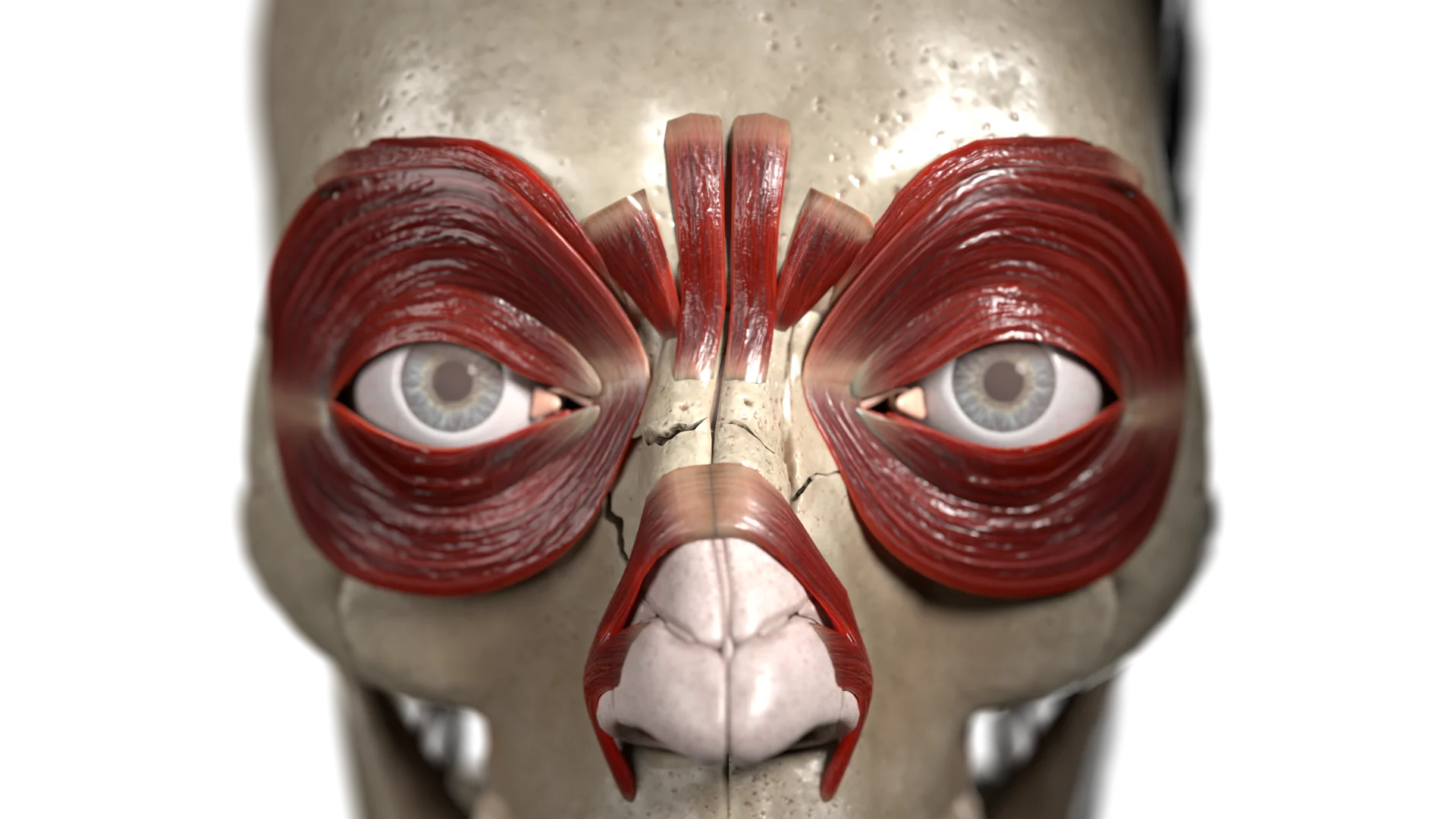
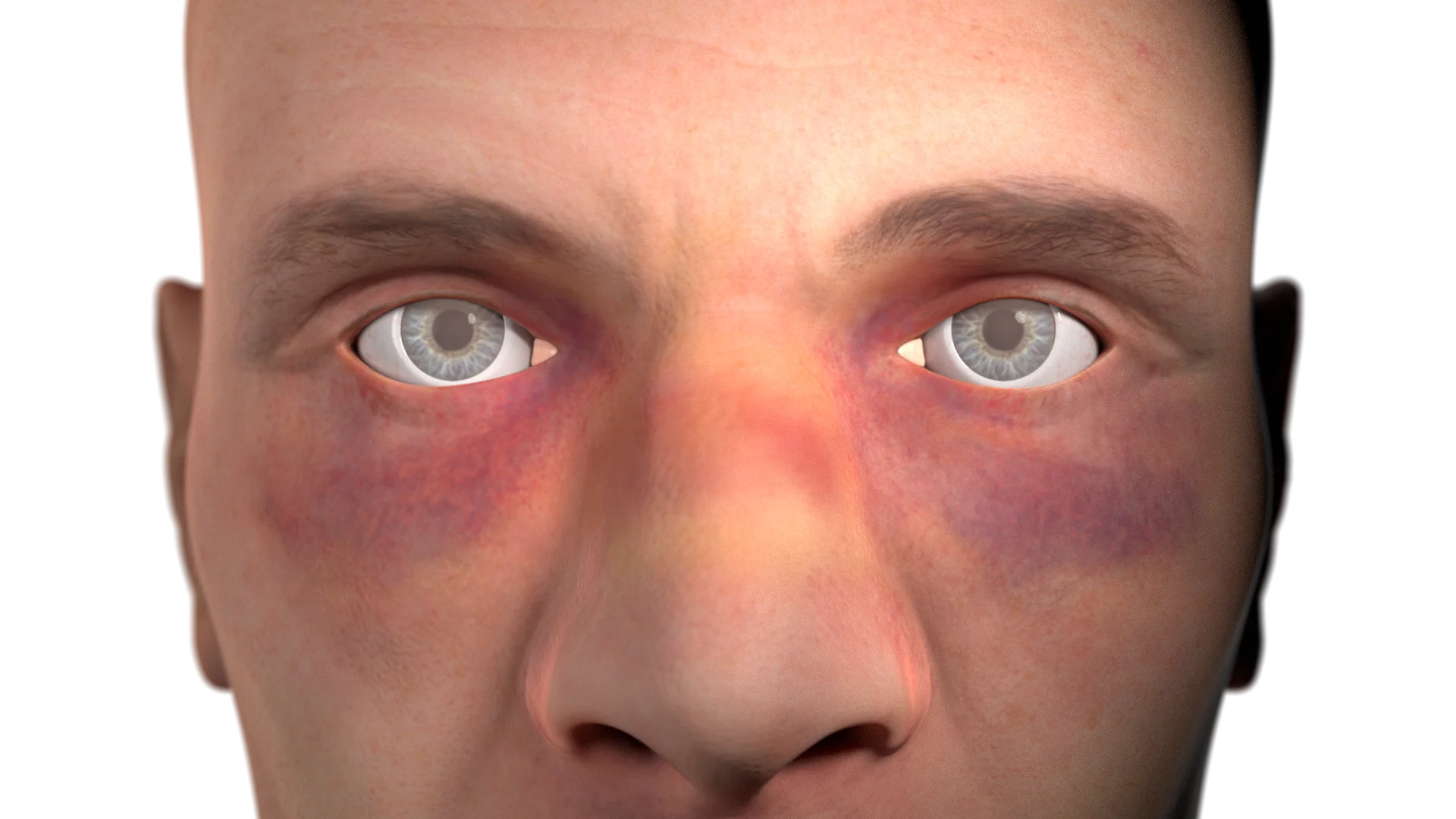
This article covers pathological conditions that arise from disruption of the anatomical integrity of the nasal structures due to various mechanical impacts.
Nasal synechiae, also called nasal adhesions, are fibrous bands that form between the nasal septum and the lateral wall structures (turbinates). These adhesions disrupt normal airflow and nasal function.

Acquired choanal atresiais characterized by a connective tissue or cartilaginous membrane forming at the level of the choanae, which obstructs airflow from the nasal cavity to the nasopharynx.
It can involve one side (unilateral) or both sides (bilateral) and may be partial, allowing limited airflow, or complete. Partial and unilateral forms are most frequently observed.
Post-traumatic deformities of the external nose involve disruption of the normal anatomy of the nasal skeleton, including the nasal dorsum, tip, or septum, in the cartilaginous and/or bony regions. These changes usually develop when timely and proper surgical treatment, such as bone repositioning, is not carried out.
Over time, the nose can assume various shapes depending on the type of deformity. In cases of saddle-nose deformity, the nasal dorsum is depressed inward. When the deformity is arch-shaped (scoliotic), the straight axis of the dorsum becomes disrupted. Alternatively, in angular deviations, the nasal bridge is displaced laterally, while its overall axis remains preserved.
Several common factors contribute to the development of post-traumatic nasal disorders:
Nasal synechiae most often develop due to:
The most common causes of acquired choanal atresia include:
Post-traumatic deformities of the external nose occur when mechanical forces, such as blows or falls, impact the facial skeleton with varying intensity and direction.
Permanent changes in nasal shape may develop if the nasal bones are not promptly repositioned following trauma. This may happen for various reasons, including delayed diagnosis, patient refusal, or contraindications to early intervention.
Nasal synechiae are usually associated with:
In cases of acquired choanal atresia, patients often experience:
Post-traumatic external nasal deformities commonly lead to:
A thorough medical history, focusing on previous trauma or surgery, along with a standard nasal examination (rhinoscopy), is usually sufficient to make the diagnosis.
Nasal endoscopy and CT scans may be used when further assessment of adhesions, obstruction, or skeletal deformities is needed.
Synechiae are surgically removed using techniques such as laser, ultrasound, radiofrequency, scalpel, or scissors, depending on the surgeon’s preference and available equipment.
Postoperatively, it is essential to prevent recurrence. Silicone splints are usually placed along the nasal septum to keep the healing surfaces separated, and hemostatic sponges may be used to control bleeding.
Postoperative care is also critical and typically involves gentle removal of crusts and the application of ointment-soaked tampons to support proper healing.
Treatment is performed under endoscopic guidance. The obstructing tissue is carefully excised, and normal anatomy is restored as fully as possible. To prevent re-scarring, silicone tubes matching the size of the choanae are left in place until full healing occurs, usually 3–4 weeks.
Find more scientifically accurate content on our social media


Surgical technique depends on the severity and location of the deformity and may include rhinoplasty or septorhinoplasty to restore both function and appearance.
1. What are the main types of post-traumatic nasal disorders?
2. What usually causes these conditions?
3. How do the symptoms differ between these conditions?
4. How is the diagnosis usually confirmed?
5. How are these conditions treated?
6. How can the recurrence of nasal synechiae be prevented after surgery?
References
1.
VOKA Catalog. [Electronic resource].
https://catalog.voka.io/
2.
Sclafani, A. P., Dyleski, R. A., Pitman, M. J., & Schantz, S. P. (2015). Total otolaryngology—Head and neck surgery. Thieme Medical Publishers, Inc. ISBN 978-1-60406-646-3.
3.
Berbom, Kh., Kashke, O., Navka, T., & Svift, E. (2016). Bolezni ukha, gorla i nosa [Diseases of the ear, throat, and nose] (2nd ed., transl. from English). MEDpress-Inform. ISBN 978-5-00030-322-1.
4.
Stępiński, M. J., & Banaszewski, J. (2023). Intranasal synechiae as complications of rhinosurgical treatment — A review of current knowledge. Journal of Clinical Medicine, 12(21), 6831. PMID: 37959296; PMCID: PMC10648208.
https://doi.org/10.3390/jcm12216831
5.
Karpishchenko, S. A., Vereshchagina, O. E., & Teplova, E. O. (2020). Dvustoronnyaya sinekhial’naya obstruktsiya polosti nosa [Bilateral synechiae obstruction of the nasal cavity]. Vestnik Otorinolaringologii, 85 (4), 80–84. https://doi.org/10.17116/otorino20208504180. PMID: 32885643. (in Russian).
6.
Ku, P. K., Tong, M. C., Tsang, S. S., & van Hasselt, A. (2001). Acquired posterior choanal stenosis and atresia: management of this unusual complication after radiotherapy for nasopharyngeal carcinoma. American Journal of Otolaryngology, 22(4), 225–229. https://doi.org/10.1053/ajot.2001.24816 PMID: 11464317.
Make VOKA your preferred source
See more VOKA articles in Google Search
Table of Contents








Summarize article with AI
Choose your preferable AI assistant:
Link successfully copied to clipboard
Thank you!
Your message is sent!
Our experts will contact you shortly. If you have any additional questions, please contact us at info@voka.io