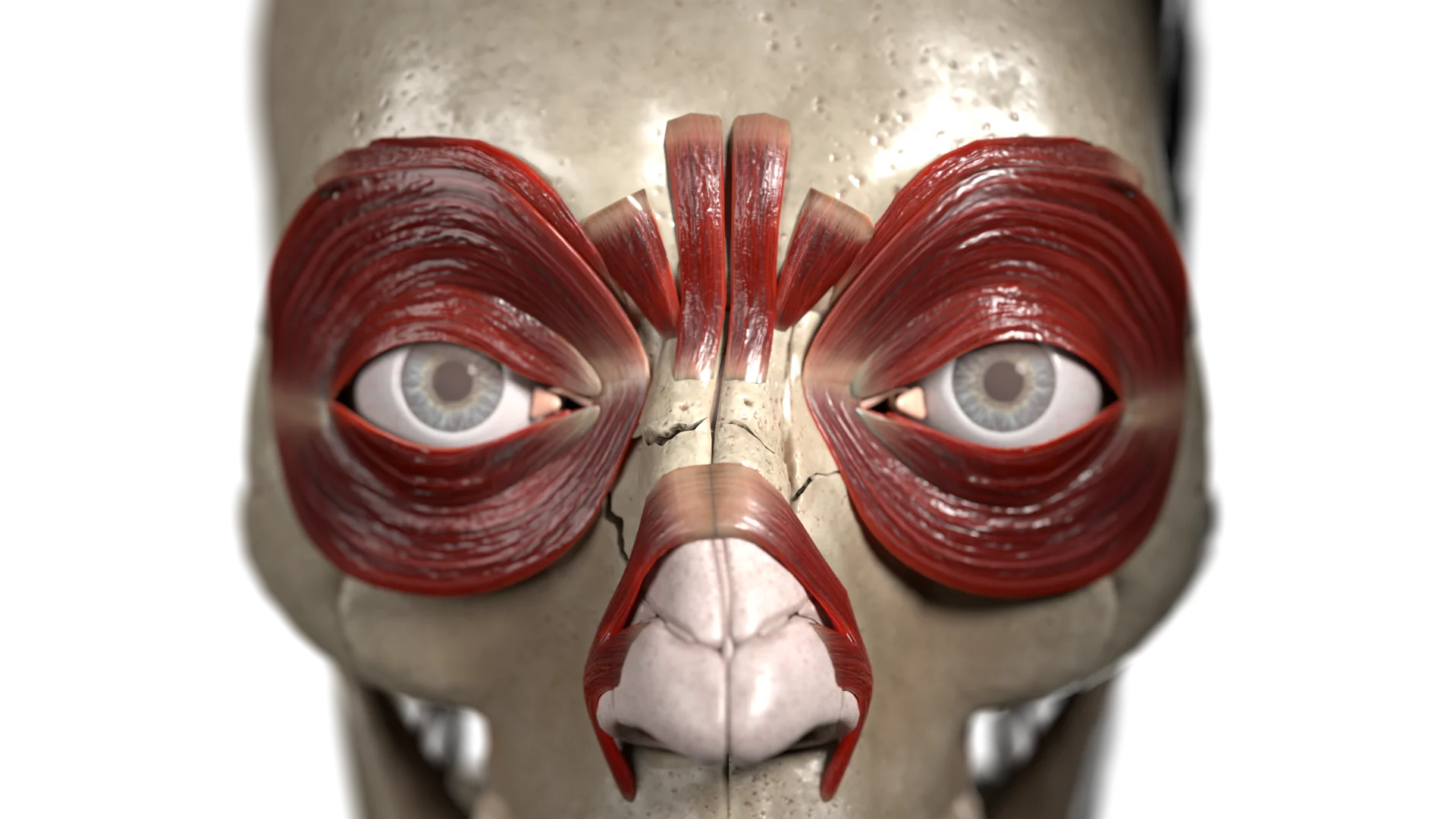
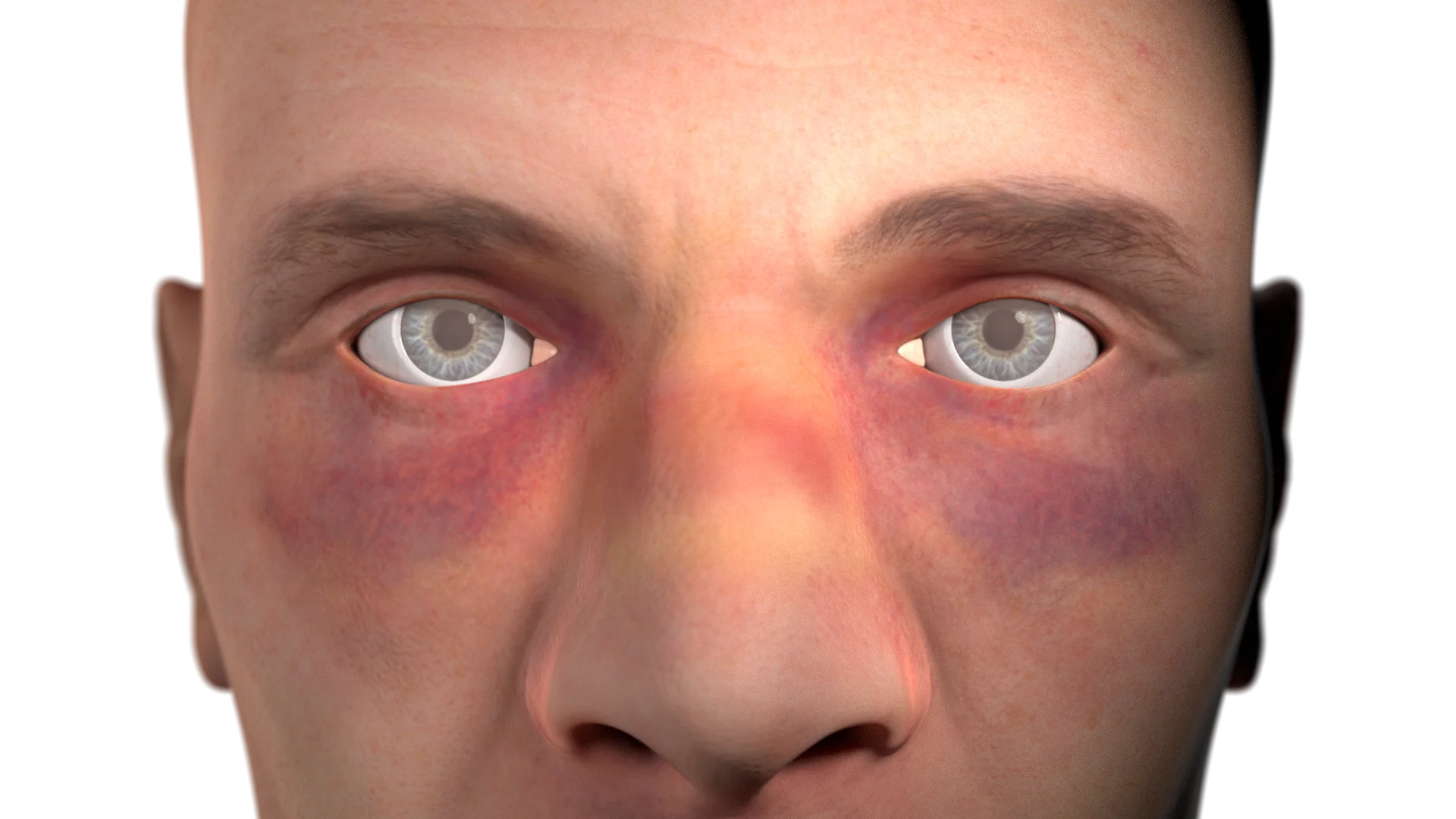
Odontogenic Sinusitis: Classification, Etiology, Clinical Presentation, Diagnosis, and Treatment
A detailed overview of odontogenic maxillary sinusitis: causes, symptoms of acute and chronic inflammation, diagnosis, and modern treatment approaches.


Anesthesia
Pain management and sedation techniques

Angiology
Arterial and venous pathologies

Cardiology
Acquired and congenital heart diseases

Dentistry
Diseases of teeth, gums, and the oral cavity

Dermatology
Disorders of the skin and subcutaneous tissue

Embryology
Stages of embryogenesis and congenital anomalies

Endocrinology
Disorders of the glands and hormonal imbalance

Gastroenterology
Stomach, intestinal, and digestive diseases

Gynecology
Diseases of female reproductive organs

Hematology
Hematopoiesis and blood-related disorders

Hepatology
Liver, gallbladder, and biliary tract diseases

Histology
Microscopic tissue and cell structures

Infectious diseases
Bacterial, viral, and parasitic infections

Neurology
Brain, spinal cord, and peripheral nerve disorders

Obstetrics
Pregnancy complications and abnormal fetal positions

Oncology
Cancer types, benign and malignant tumors

Ophthalmology
Conditions affecting the eyes and vision

Orthopedics
Bone, joint, and soft tissue disorders

Otorhinolaryngology
Ear, nose, and throat diseases

Pediatrics
Child health, development, and clinical conditions

Physiology
Biological processes within organs and systems

Pulmonology
Lung and respiratory tract diseases

Traumatology
Acute injuries and musculoskeletal trauma

Urology
Urinary tract and male reproductive disorders
Anesthesia
Pain management and sedation techniques
Angiology
Arterial and venous pathologies
Cardiology
Acquired and congenital heart diseases
Dentistry
Diseases of teeth, gums, and the oral cavity
Dermatology
Disorders of the skin and subcutaneous tissue
Embryology
Stages of embryogenesis and congenital anomalies
Endocrinology
Disorders of the glands and hormonal imbalance
Gastroenterology
Stomach, intestinal, and digestive diseases
Gynecology
Diseases of female reproductive organs
Hematology
Hematopoiesis and blood-related disorders
Hepatology
Liver, gallbladder, and biliary tract diseases
Histology
Microscopic tissue and cell structures
Infectious diseases
Bacterial, viral, and parasitic infections
Neurology
Brain, spinal cord, and peripheral nerve disorders
Obstetrics
Pregnancy complications and abnormal fetal positions
Oncology
Cancer types, benign and malignant tumors
Ophthalmology
Conditions affecting the eyes and vision
Orthopedics
Bone, joint, and soft tissue disorders
Otorhinolaryngology
Ear, nose, and throat diseases
Pediatrics
Child health, development, and clinical conditions
Physiology
Biological processes within organs and systems
Pulmonology
Lung and respiratory tract diseases
Traumatology
Acute injuries and musculoskeletal trauma
Urology
Urinary tract and male reproductive disorders
Specialties
AnesthesiaAngiologyCardiologyDentistryDermatologyEmbryologyEndocrinologyGastroenterologyGynecologyHematologyHepatologyHistologyInfectious diseasesNeurologyObstetricsOncologyOphthalmologyOrthopedicsOtorhinolaryngologyPediatricsPhysiologyPulmonologyTraumatologyUrology
This article is for informational purposes only
The content on this website, including text, graphics, and other materials, is provided for informational purposes only. It is not intended as advice or guidance. Regarding your specific medical condition or treatment, please consult your healthcare provider.
Nasal septum deviation may be a congenital or acquired condition. It occurs when the bony and/or cartilaginous structures of the nasal septum deviate from their median position and disturb the breathing function.
Nasal septum deformities may be either congenital or acquired conditions.
The septum may become deformed due to nasal injuries associated with birth trauma, sports, or everyday activities.
The main reason for deformities in children and adolescents is the difference in growth rates of the cartilaginous and bony parts of the nasal septum.
Depending on the shape and location, there are several main types of nasal septum deviation:


Both types of deviations (C- and S-shaped) are associated with an excessively large quadrangular cartilage. Because of its size, it does not fit into the bony bed between the perpendicular plate of the ethmoid bone, maxilla, and palatine bone.
The Mladina’s classification includes 7 types of nasal septal deformities that are widely used by rhinologists:


Clinical presentation depend on the degree of a deviation:
Diagnosis is based on rhinoscopy and nasal endoscopy results. A CT scan of the facial bones helps assess the deviation (both bony and cartilaginous tissues), its length, and evaluate the paranasal sinuses.
Find more scientifically accurate content on our social media


The condition may be corrected surgically via septoplasty.
1. What are the causes of nasal septum deviation, including in children?
2. What symptoms does a deviated septum cause and what does it affect?
3. What are the risks of a deviated septum and what are its consequences?
4. What does a deviated septum look like, and what types are known?
5. How is a deviated septum corrected?
References
1.
VOKA 3D Anatomy & Pathology – Complete Anatomy and Pathology 3D Atlas. VOKA 3D Anatomy & Pathology.
Available from: https://catalog.voka.io/
2.
Sclafani AP, Dyleski RA, Pitman MJ, Schantz SP. Total otolaryngology—head and neck surgery. New York: Thieme Medical Publishers; 2015. ISBN: 978-1-60406-646-3.
3.
Behrbohm H, Kaschke O, Nawka T, Swift A. Ear, nose, and throat diseases. 2nd ed. Moscow: MEDpress-inform; 2016. 776 p. [In Russian.] ISBN 978-5-00030-322-1.
4.
Kim TK, Jeong JY. Deviated nose: Physiological and pathological changes of the nasal cavity. Arch Plast Surg. 2020 Nov;47(6):505-515. doi: 10.5999/aps.2020.01781. Epub 2020 Nov 15. PMID: 33238336; PMCID: PMC7700847.
5.
Alghamdi FS, Albogami D, Alsurayhi AS, Alshibely AY, Alkaabi TH, Alqurashi LM, Alahdal AA, Saber AA, Almansouri OS. Nasal Septal Deviation: A Comprehensive Narrative Review. Cureus. 2022 Nov 10;14(11):e31317. doi: 10.7759/cureus.31317. PMID: 36514566; PMCID: PMC9736816.
6.
Teixeira J, Certal V, Chang ET, Camacho M. Nasal Septal Deviations: A Systematic Review of Classification Systems. Plast Surg Int. 2016;2016:7089123. doi: 10.1155/2016/7089123. Epub 2016 Jan 11. PMID: 26933510; PMCID: PMC4737055.
7.
Rhinoplasty Archive. Algorithm for treatment of anterior septal deviations [Internet].
Available from: https://www.rhinoplastyarchive.com/articles/septal-surgery/algorithm-for-treatment-of-anterior-septal-deviations
8.
Sam A, Deshmukh PT, Patil C, Jain S, Patil R. Nasal septal deviation and external nasal deformity: a correlative study of 100 cases. Indian J Otolaryngol Head Neck Surg. 2012 Dec;64(4):312-8. doi: 10.1007/s12070-011-0311-x. Epub 2011 Oct 5. PMID: 24294569; PMCID: PMC3477430.
Make VOKA your preferred source
See more VOKA articles in Google Search








Summarize article with AI
Choose your preferable AI assistant:
Link successfully copied to clipboard
Thank you!
Your message is sent!
Our experts will contact you shortly. If you have any additional questions, please contact us at info@voka.io