

Acute Prostatitis: Etiology, Pathogenesis, Clinical Manifestations, Diagnosis, and Treatment

This article is for informational purposes only
The content on this website, including text, graphics, and other materials, is provided for informational purposes only. It is not intended as advice or guidance. Regarding your specific medical condition or treatment, please consult your healthcare provider.
Acute prostatitis (prostatitis acuta) is an acute infectious and inflammatory disease of the prostate characterized by bacterial invasion of the organ’s parenchyma and stroma, followed by a pronounced inflammatory response.
It manifests as a triad of symptoms:
- sudden high fever;
- perineal pain;
- severe dysuria, potentially progressing to acute urinary retention.
If diagnosis is delayed and treatment is inadequate, acute prostatitis can rapidly progress to prostatic abscess and urosepsis — life-threatening conditions requiring emergency surgery.
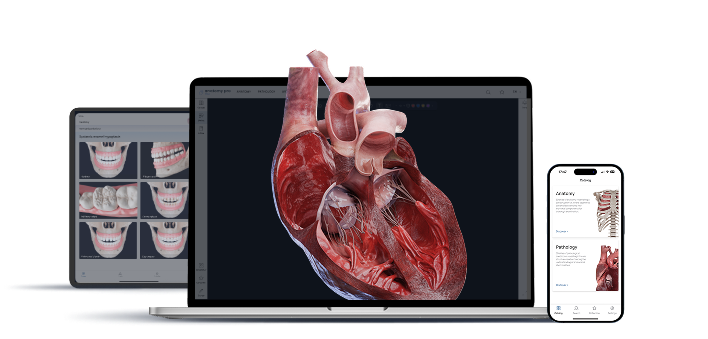
3D Models of Prostate Inflammation:
 Prostate Inflammation: General View
 Prostate Inflammation: Tissue Changes, Sagittal Section
Classification of Prostatitis
According to the classification of the US National Institutes of Health (NIH, 1995) and the current guidelines of the European Association of Urology, prostatitis is classified into four categories.
NIH Consensus Classification System for Prostatitis (1995), as Revised by EAU in 2024
| Category | Form | Description |
|---|---|---|
| I | Acute bacterial prostatitis | Acute bacterial infection of the prostate with systemic manifestations |
| II | Chronic bacterial prostatitis | Recurrent urinary tract infections caused by the same pathogen, with confirmed bacteriuria |
| III | Chronic nonbacterial prostatitis / CPPS | Chronic pelvic pain syndrome (inflammatory (IIIa) and noninflammatory (IIIb) subtypes) |
| IV | Asymptomatic Inflammatory Prostatitis | Inflammation that produces no clinical symptoms and may be detected incidentally during another examination |
Epidemiology
Overall, prostatitis is the most common urological diagnosis in men under 50 and the third most common in men over 50. According to various sources, the lifetime risk of prostatitis in men is approximately 25%. Acute bacterial prostatitis (NIH category I) is significantly less common than chronic forms and accounts for no more than 5–10% of all cases of prostatitis. Nevertheless, it poses the greatest clinical threat because of the high risk of complications.
The disease affects men of any age but is most common in two extreme age groups: young, sexually active men (20–40) with no history of urological diseases and older patients with benign prostatic hyperplasia (BPH), previous urinary tract surgery, or immunodeficiency. No significant racial or geographical differences in incidence have been identified.
Etiology
Acute bacterial prostatitis is almost always of infectious origin. The spectrum of pathogens is largely determined by the route of infection and the patient’s underlying condition.
Main Pathogens
Gram-negative enterobacteria are the predominant pathogens:
- Escherichia coli has been identified in 65–80% of cases being the predominant pathogen in community-acquired acute prostatitis;
- Klebsiella pneumoniae, Proteus mirabilis, Enterobacter spp. collectively account for up to 15–20% of cases;
- Pseudomonas aeruginosa is characteristic of hospital-acquired and postprocedural forms, particularly following lower urinary tract surgery;
- Enterococcus faecalis is the most significant Gram-positive pathogen; it is of particular clinical importance in cases of fluoroquinolone resistance;
- Staphylococcus aureus is a rare pathogen associated with an unfavorable prognosis generally of hematogenous origin;
- Neisseria gonorrhoeae, Chlamydia trachomatis occur in young, sexually active men; this infection requires specific etiotropic therapy (doxycycline).
Risk factors
According to current guidelines, predisposing factors include:
- urinary tract surgery — transrectal prostate biopsy (risk of acute prostatitis up to 1–4%), continuous urethral catheterization, transurethral resection of the prostate;
- lower urinary tract obstruction — BPH, urethral strictures; the condition leads to impaired urodynamics and urinary stasis in the prostate;
- lower urinary tract infections — urethritis and cystitis as precursors of ascending infection;
- unprotected anal intercourse — a risk factor in young, sexually active men;
- immunosuppression — HIV infection, diabetes mellitus, chronic renal failure, systemic corticosteroid therapy;
- anatomical abnormalities of the genitourinary tract — phimosis, intraprostatic urinary reflux (a key pathogenetic factor).
Pathogenesis
The key pathogenetic mechanism of acute bacterial prostatitis is intraprostatic urinary reflux — the retrograde flow of infected urine from the prostatic urethra into the excretory ducts and acini of the prostate gland. This mechanism is considered predominant both in ascending infection from the lower urinary tract and in iatrogenic infection.
Routes of infection of the prostate gland include:
- ascending (urinogenic) — the most common route; bacteria from the urethra and urinary bladder enter the prostate through the prostatic ducts;
- lymphogenous — spread of infection from the rectum or urinary bladder through the pelvic lymphatic vessels;
- hematogenous — dissemination of pathogens through the bloodstream from distant foci of infection (tonsillitis, furunculosis, pneumonia); characteristic of staphylococcal forms;
- direct (contact) — during various procedures or surgery on the pelvic organs.
Once pathogens penetrate the prostatic parenchyma, a local inflammatory response develops. Activation of Toll-like receptors (TLR4 in the presence of gram-negative bacteria and TLR2 in the presence of gram-positive bacteria) in the acinar epithelium triggers the release of proinflammatory cytokines: IL-1β, IL-6, IL-8, TNF-α. Neutrophil chemotaxis ensures local elimination of pathogens; however, with a high bacterial load or virulent strains, the inflammatory process progresses: stromal edema develops, microcirculation is impaired, and acinar obstruction increases.
Poor antibiotic penetration into prostatic tissue plays a key role in progression: the dense fibrous capsule and acidic intra-acinar environment (pH 6.0–6.8) reduce the concentrations of most antimicrobial agents. The exceptions are fluoroquinolones and trimethoprim-sulfamethoxazole, which show the best penetration qualities. During acute inflammation, the barrier properties are temporarily impaired, which improves antibiotic delivery to the infected site. Therefore, acute prostatitis is potentially more responsive to treatment than the chronic form.
If no proper treatment is provided, the inflammatory process may progress: multiple microabscesses in the parenchyma coalesce to form a prostatic abscess — a purulent cavity confined by the organ’s capsule. The entry of bacteria into the systemic circulation causes urosepsis, the most severe complication of acute prostatitis.
Clinical Manifestations of Acute Prostatitis
The clinical manifestations of acute bacterial prostatitis are generally pronounced and develop rapidly, within several hours. A classic triad of symptoms is generally observed.
Systemic Symptoms of Intoxication
- Fever — a sudden increase in body temperature up to 38.5–40°C, often with chills and profuse sweating; the reaction reflects the systemic inflammatory response to bacteremia.
- General intoxication — pronounced fatigue, myalgia, nausea, and possible vomiting; tachycardia corresponds to the severity of the fever.
- Systemic inflammatory response syndrome (SIRS) — in severe cases, it may meet the criteria for sepsis (body temperature of > 38°C or < 36°C, HR of > 90 beats/min, RR of > 20/min, leukocytosis > 12 × 10⁹/L or leukopenia < 4 × 10⁹/L).
Local Symptoms
- Perineal pain — the most characteristic local symptom; intense and constant, with possible radiation to the scrotum, sacrum, rectum, or penis.
- Dysuria — pollakiuria, strangury, and burning during urination; caused by the prostatic urethra and urinary bladder neck being stimulated by inflammation.
- Acute urinary retention (AUR) — seen in 10–30% of patients because of pronounced prostatic edema and compression of the prostatic urethra; it is an indication for emergency cystostomy (urethral catheterization is contraindicated in acute prostatitis).
- Tenesmus and discomfort during defecation — characteristic of pronounced edema or abscess; the enlarged, tender prostate compresses the rectal ampulla.
- Hematospermia and purulent urethral discharge — less common; indicate involvement of the seminal vesicles (vesiculitis) or urethra.
Physical examination
Digital rectal examination (DRE) is a key diagnostic procedure: the prostate gland is enlarged, hot to the touch, and markedly tender on palpation. Fluctuance may be detected if an abscess has formed. Prostate massage is strictly contraindicated during acute inflammation because it may provoke bacteremia and increase the risk of septic complications.
Diagnosis
The diagnosis of acute prostatitis is established based on the patient’s complaints, examination findings, investigations, and ultrasound.
Laboratory diagnostics
Investigations for acute prostatitis include the following tests:
- urinalysis (UA) — leukocyturia (pyuria), bacteriuria, and possible microscopic hematuria; a first-line screening method;
- midstream urine culture with antimicrobial susceptibility testing — mandatory prior to antibacterial therapy; identification of the causative agent and adjustment of treatment based on the antibiogram results. Diagnostically significant bacteriuria: ≥ 10³ CFU/mL accompanied by clinical symptoms;
- complete blood count — leukocytosis (> 12–15 × 10⁹/L) with neutrophilia and a left shift in the leukocyte differential; elevated ESR;
- C-reactive protein (CRP) — significantly elevated; correlates with the severity of inflammation and is used to assess the patient’s response to therapy;
- procalcitonin (PCT) — in suspected bacteremia or sepsis; a result of ≥ 0.5 ng/mL indicates a systemic bacterial process;
- blood culture — indicated in severe disease with signs of systemic inflammatory response syndrome; performed twice before initiation of antibiotic therapy;
- PSA (prostate-specific antigen) — predictably elevated in acute prostatitis (often 5–10 times above reference) due to disruption of the prostatic barrier. PSA has no diagnostic value in the acute phase. PSA testing is not recommended in acute prostatitis. If detected incidentally, it should be remeasured no earlier than 4–6 weeks after recovery;
- PCR testing for STIs (Chlamydia trachomatis, Neisseria gonorrhoeae, Mycoplasma genitalium) — in young sexually active patients.
Instrumental diagnosis
The following investigations are used to assess the prostate and detect complications of acute prostatitis:
- transrectal ultrasound of the prostate (TRUS) — the method of choice when prostatic abscess is suspected. It can detect an increase in gland volume, decreased echogenicity, hypervascularity on color Doppler imaging, and hypoechoic areas (microabscesses and persistent abscesses). It is performed cautiously because of tenderness; a transabdominal alternative is acceptable;
- pelvic CT/MRI — used when ultrasound findings are inconclusive, the clinical response to antibiotics is inadequate after 72 h, or periprostatic spread of inflammation or a paraprostatic abscess is suspected. MRI is preferable for tissue differentiation;
- urinary bladder ultrasound — measurement of postvoid residual urine volume; indicated when there are clinical signs of impaired emptying (performed urgently in the presence of acute urinary retention);
- urethrocystoscopy and urodynamic studies — contraindicated in the acute phase; performed as indicated during recovery.
Treatment of Acute Prostatitis
General Principles and Hospital Admission
Hospitalization is indicated for all patients with signs of systemic inflammatory response, acute urinary retention, or suspected prostatic abscess. For milder cases without systemic manifestations, outpatient treatment is possible, with mandatory follow-up 48–72 h later.
Nonpharmacological and symptomatic measures for acute prostatitis include:
- bed rest — during the acute febrile phase; limited physical activity;
- hydration — adequate fluid intake (up to 2–2.5 L/day in the absence of acute urinary retention) or intravenous infusion therapy in severe cases;
- analgesia and NSAIDs — for pain and fever relief (diclofenac, ibuprofen, paracetamol);
- laxatives — for constipation; these medications prevent painful defecation and excessive pressure on the inflamed prostate.
Antibacterial therapy
Antibiotics are the primary treatment option for acute bacterial prostatitis. The choice of drug is determined by its ability to accumulate in prostatic tissue, its spectrum of activity, and the local resistance profile.
First-line drugs include fluoroquinolones:
- ciprofloxacin — 500 mg orally twice daily or 400 mg intravenously twice daily (in severe disease);
- levofloxacin — 500–750 mg orally or intravenously once daily.
The duration of treatment for uncomplicated disease is at least 14 days. A 2–4-week course is recommended to prevent the disease from progressing into a chronic form. With a short-term treatment (less than 14 days), the risk of developing chronic bacterial prostatitis (category II) increases significantly.
Alternative regimens:
- when susceptibility of the causative agent is confirmed: trimethoprim-sulfamethoxazole (TMP/SMX) — 960 mg twice daily (accumulates well in the prostate);
- for STI-associated prostatitis (Chlamydia trachomatis): doxycycline — 100 mg twice daily for 14–21 days; for gonococcal etiology: ceftriaxone — 500 mg intramuscularly once + azithromycin 1 g orally;
- parenteral step-down therapy for severe disease: ceftriaxone — 1–2 g/day intravenously + aminoglycoside (gentamicin 3–5 mg/kg/day or amikacin), followed by transition to an oral fluoroquinolone once the condition has stabilized.
Additional Pharmacological Therapy
The following treatment options are considered as additional pharmacological therapy for acute prostatitis:
- α1-adrenergic blockers (tamsulosin 0.4 mg/day, doxazosin 4 mg/day) reduce smooth muscle tone in the urinary bladder neck and prostatic urethra and improve urodynamics. The use of α-blockers as an adjunct to antibiotics is recommended in case of impaired emptying symptoms; a reduction in the risk of chronicity and development of acute urinary retention has been demonstrated;
- 5α-reductase inhibitors (finasteride) — considered in patients with concomitant BPH;
- antipyretics and analgesics — paracetamol, metamizole, and NSAIDs at standard doses.
Drainage in Acute Urinary Retention
If acute urinary retention develops, urethral catheterization is contraindicated because of the risk of exacerbating inflammation, traumatizing the edematous urethra, and inducing bacteremia. Ultrasound-guided suprapubic epicystostomy is the method of choice. The cystostomy tube is removed once acute inflammation has resolved and urination has renewed (usually after 7–14 days).
Prostatic Abscess: Diagnosis and Surgical Therapy
A prostatic abscess is a localized collection of pus in the prostatic parenchyma that develops as acute bacterial prostatitis progresses or as an independent complication. It occurs in 0.5–2.5% of patients with acute prostatitis. It is associated with high mortality if drainage is delayed.
Clinical signs and indications for drainage include:
- persistent high fever and severe systemic toxicity after 48–72 h despite adequate antibiotic therapy;
- increasing perineal pain and fluctuation on digital rectal examination;
- an abscess cavity (hypoechoic lesion) on TRUS or CT/MRI;
- signs of urosepsis — sepsis of prostatic origin is an absolute indication for emergency drainage.
TRUS-Guided Transrectal Abscess Drainage
According to current guidelines, this method is the first-line approach for most prostatic abscesses. It is performed in an operating room under intravenous sedation or spinal anesthesia.
Surgical Technique
- patient positioning — left lateral decubitus or lithotomy position (according to the surgeon’s preference);
- TRUS guidance — insertion of a transrectal probe with a needle guide and real-time identification of the abscess cavity;
- puncture — an 18G needle is advanced through the rectum into the abscess cavity under ultrasound guidance; the contents are aspirated; samples are collected for culture;
- cavity irrigation — with normal saline until the effluent is visually clear;
- drain placement — for large (> 1–1.5 cm) or multiloculated abscesses, an 8–10 Fr pigtail drain is placed using the Seldinger technique for prolonged drainage;
- assessment of effectiveness — follow-up ultrasound after 24–48 h; the drain is removed when there is no discharge and TRUS shows cavity regression.
Advantages: minimal invasiveness, procedure under local anesthesia, high guidance accuracy, and rapid clinical improvement.
Disadvantages: contamination with rectal flora and limited accessibility when the abscess is in a difficult location (ventral regions of the prostate).
Transperineal Drainage
This method is an alternative approach when the transrectal route is unavailable, the abscess is in a difficult-to-reach location, or the patient has undergone rectal surgery or has rectal fistulas.
Surgical Technique
- patient positioning — lithotomy position; the perineum is prepared as a surgical field;
- guidance — TRUS or a transperineal needle guide attached to the TRUS probe; digital rectal guidance may be used;
- approach — needle puncture through the perineum, lateral to the rectum, into the abscess cavity under ultrasound guidance; if necessary, a 0.5–1 cm skin incision followed by blunt dissection and drain placement;
- aspiration, irrigation, drainage — performed in the same manner as with the transrectal method.
Advantages: no risk of contamination with rectal flora and better access to the anterior regions of the prostate.
Disadvantages: requires spinal or general anesthesia; technically more difficult than the transrectal approach.
Transurethral Drainage (TURP for Abscess)
This method is used when needle drainage is ineffective, for multiloculated abscesses, or in cases of urethral strictures. Transurethral resection of the prostatic tissue overlying the abscess is performed, with the cavity opened and debrided, after which a urethral catheter is placed for drainage. The method is more invasive and requires general or spinal anesthesia; however, it provides effective drainage and relieves concomitant urethral obstruction.
Open surgical drainage (perineal approach) is now extremely rare — only when minimally invasive methods have failed or when the abscess has spread through the periprostatic tissues into the pelvic soft tissues.
Find more scientifically accurate content on our social media


Complications and Outcomes
The most significant complications and outcomes of acute prostatitis include:
- prostatic abscess — occurs in 0.5–2.5% of patients when treatment is ineffective;
- urosepsis — a potentially fatal complication; develops when bacterial toxins enter the bloodstream;
- acute urinary retention — occurs in 10–30% of patients during the acute phase;
- chronic bacterial prostatitis (category II) — the most common long-term complication when the duration of antibiotic therapy is inadequate; develops in 10–20% of patients;
- orchiepididymitis — spread of infection along the vas deferens to the epididymis;
- impaired fertility — due to strictures of the prostatic excretory ducts and impaired secretory function of the gland.
FAQ
1. What are the symptoms of acute prostatitis?
2. How does acute prostatitis differ from chronic prostatitis?
3. Why should urethral catheterization not be performed during the acute phase of the disease?
4. How long should antibiotics be administered for acute prostatitis?
5. Why is PSA elevated in prostatitis, and what should be done about it?
6. In what cases is surgery required?
7. Can acute prostatitis be completely cured?
References
1.
VOKA 3D Anatomy & Pathology – Complete Anatomy and Pathology 3D Atlas. VOKA 3D Anatomy & Pathology.
Available from: https://catalog.voka.io/
2.
Bonkat G, Bartoletti RR, Bruyère F, et al. EAU Guidelines on Urological Infections. European Association of Urology; 2024.
Available from: https://uroweb.org/guidelines/urological-infections
3.
Etienne M, Chavanet P, Sibert L, Michel F, Levesque H, Lorcerie B, et al. Acute bacterial prostatitis: heterogeneity in diagnostic criteria and management. Retrospective multicentric analysis of 371 patients diagnosed with acute prostatitis. BMC Infect Dis. 2008;8:12. doi:10.1186/1471-2334-8-12.
4.
Krieger JN, Nyberg L Jr, Nickel JC. NIH consensus definition and classification of prostatitis. JAMA. 1999;282(3):236–237. doi:10.1001/jama.282.3.236.
5.
Nickel JC. Prostatitis. Canadian Urological Association Journal. 2011;5(5):306–315. doi:10.5489/cuaj.11211.
6.
Zhu G, Li M, Cheng Z, et al. Transrectal versus transperineal ultrasound-guided drainage for prostatic abscess. World J Urol. 2020;38(7):1795–1801. doi:10.1007/s00345-019-02979-9.
7.
Grabe M, Bartoletti R, Bjerklund Johansen TE, et al. Guidelines on Urological Infections. [Internet]. EAU; 2015.
Available from: https://uroweb.org/
Make VOKA your preferred source
See more VOKA articles in Google Search


Table of Contents