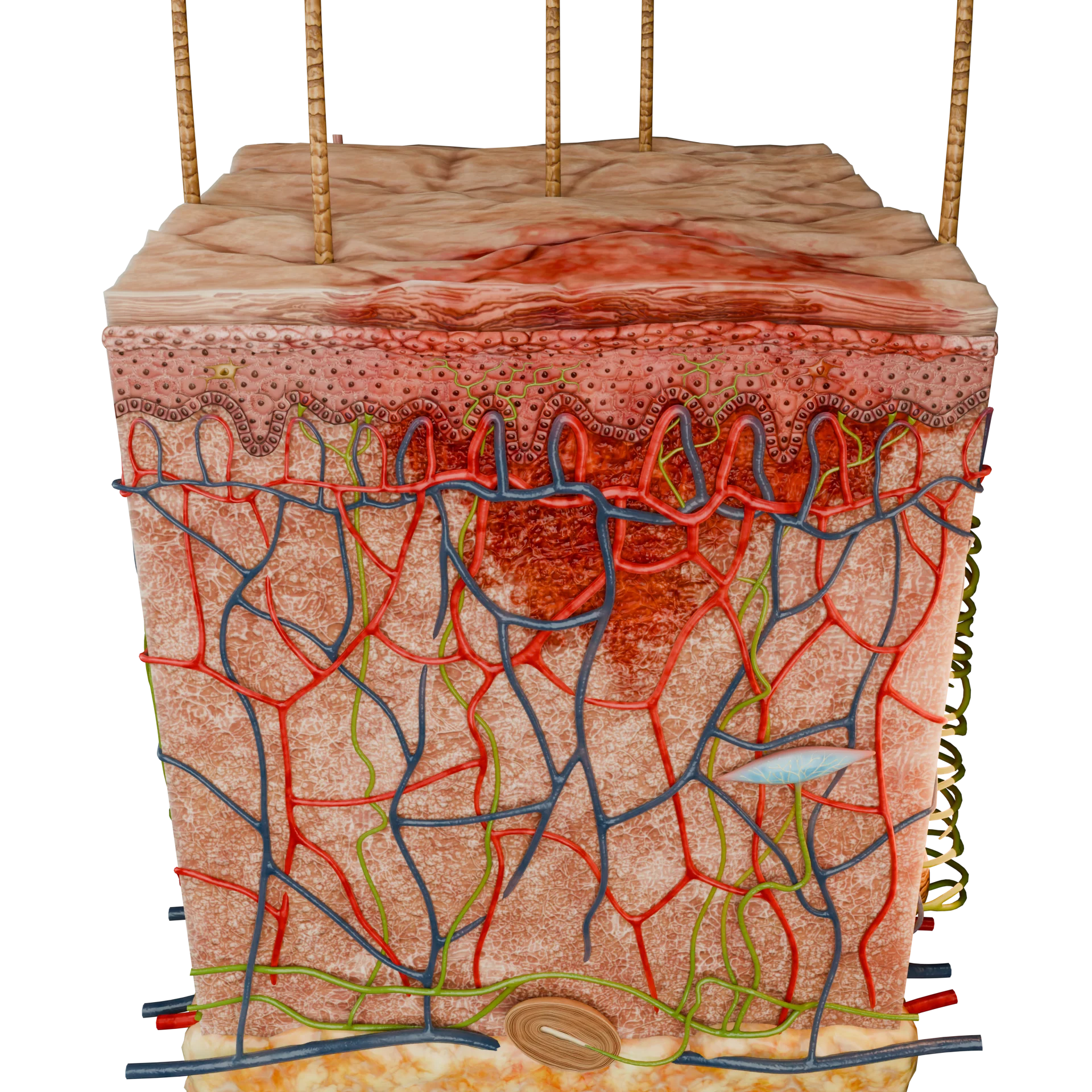
Skin Biopsy in Dermatology: Classification, Technique, and Diagnostic Value
Skin biopsy. This article covers punch, shave, and excisional techniques, specimen handling and fixation, and the role of biopsy in dermatology and oncology.


Anesthesia
Pain management and sedation techniques

Angiology
Arterial and venous pathologies

Cardiology
Acquired and congenital heart diseases

Dentistry
Diseases of teeth, gums, and the oral cavity

Dermatology
Disorders of the skin and subcutaneous tissue

Endocrinology
Disorders of the glands and hormonal imbalance

Gastroenterology
Stomach, intestinal, and digestive diseases

Gynecology
Diseases of female reproductive organs

Hepatology
Liver, gallbladder, and biliary tract diseases

Neurology
Brain, spinal cord, and peripheral nerve disorders

Obstetrics
Pregnancy complications and abnormal fetal positions

Oncology
Cancer types, benign and malignant tumors

Ophthalmology
Conditions affecting the eyes and vision

Otorhinolaryngology
Ear, nose, and throat diseases

Pediatrics
Child health, development, and clinical conditions

Pulmonology
Lung and respiratory tract diseases

Traumatology
Acute injuries and musculoskeletal trauma

Urology
Urinary tract and male reproductive disorders
Anesthesia
Pain management and sedation techniques
Angiology
Arterial and venous pathologies
Cardiology
Acquired and congenital heart diseases
Dentistry
Diseases of teeth, gums, and the oral cavity
Dermatology
Disorders of the skin and subcutaneous tissue
Endocrinology
Disorders of the glands and hormonal imbalance
Gastroenterology
Stomach, intestinal, and digestive diseases
Gynecology
Diseases of female reproductive organs
Hepatology
Liver, gallbladder, and biliary tract diseases
Neurology
Brain, spinal cord, and peripheral nerve disorders
Obstetrics
Pregnancy complications and abnormal fetal positions
Oncology
Cancer types, benign and malignant tumors
Ophthalmology
Conditions affecting the eyes and vision
Otorhinolaryngology
Ear, nose, and throat diseases
Pediatrics
Child health, development, and clinical conditions
Pulmonology
Lung and respiratory tract diseases
Traumatology
Acute injuries and musculoskeletal trauma
Urology
Urinary tract and male reproductive disorders

This article is for informational purposes only
The content on this website, including text, graphics, and other materials, is provided for informational purposes only. It is not intended as advice or guidance. Regarding your specific medical condition or treatment, please consult your healthcare provider.
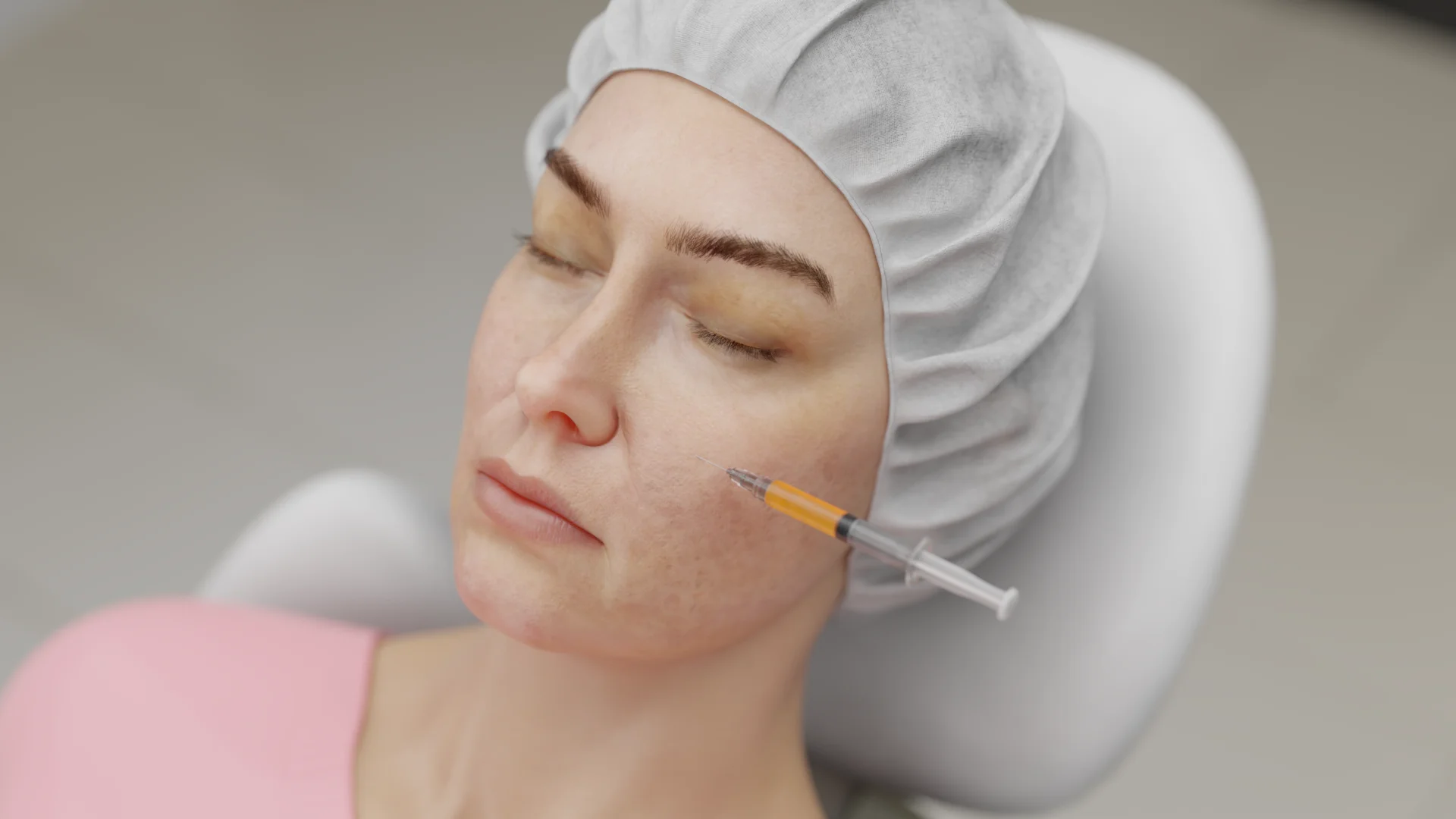
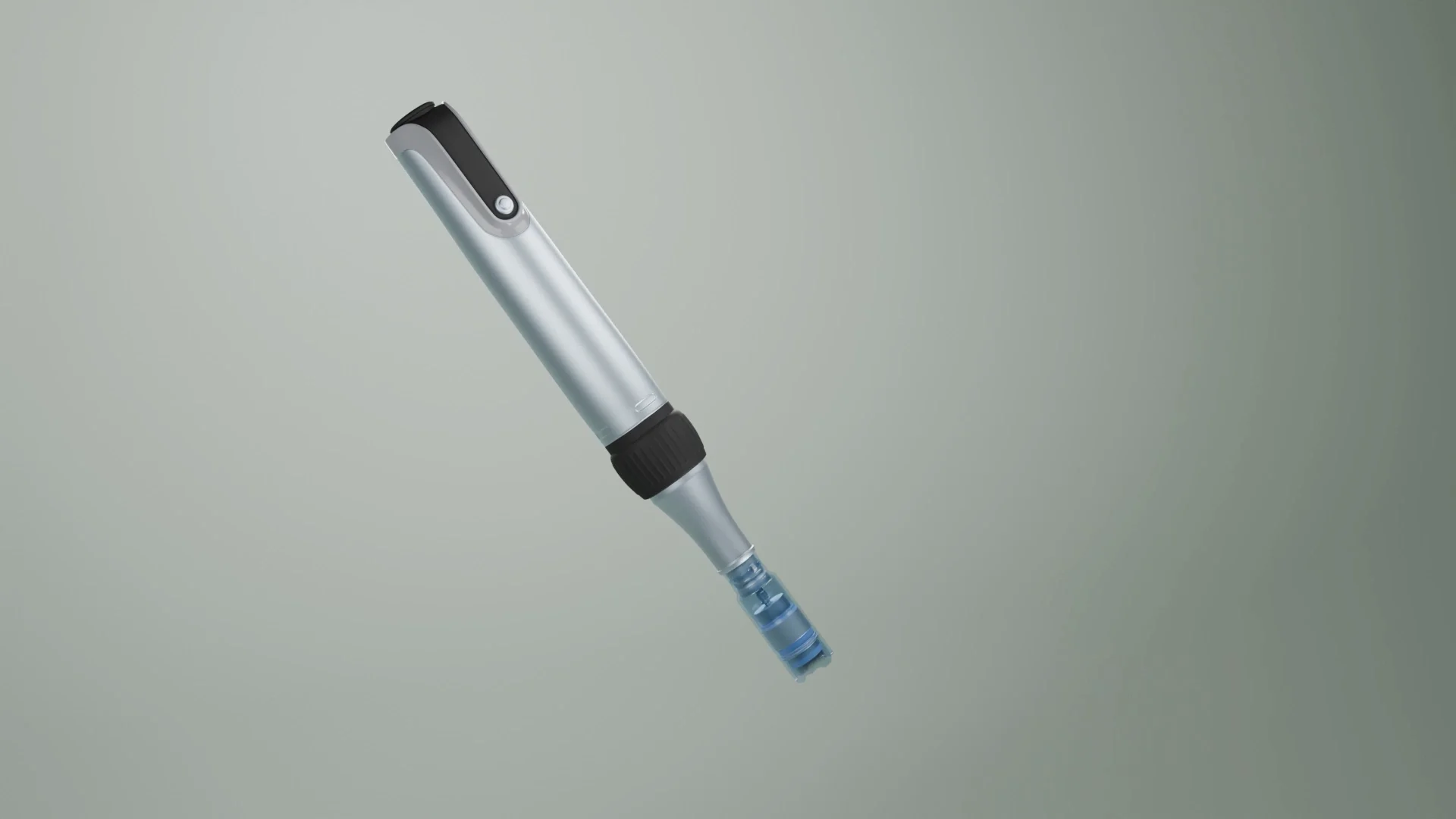
Microneedling — also known as percutaneous collagen induction therapy — is a minimally invasive dermatological procedure that uses a device equipped with fine, sterile needles to create controlled microinjuries in the skin, thereby stimulating targeted regeneration.
Because of its versatility, microneedling can be performed on nearly any area of the body; however, the most common treatment sites include the face, neck, and décolletage.
The procedure has gained wide popularity due to its effectiveness, safety, and adaptability in treating both cosmetic and dermatological conditions. It can help reduce the appearance of acne scars, striae, and wrinkles.
Although many individuals pursue microneedling for cosmetic purposes, it can also be clinically beneficial for certain skin diseases.
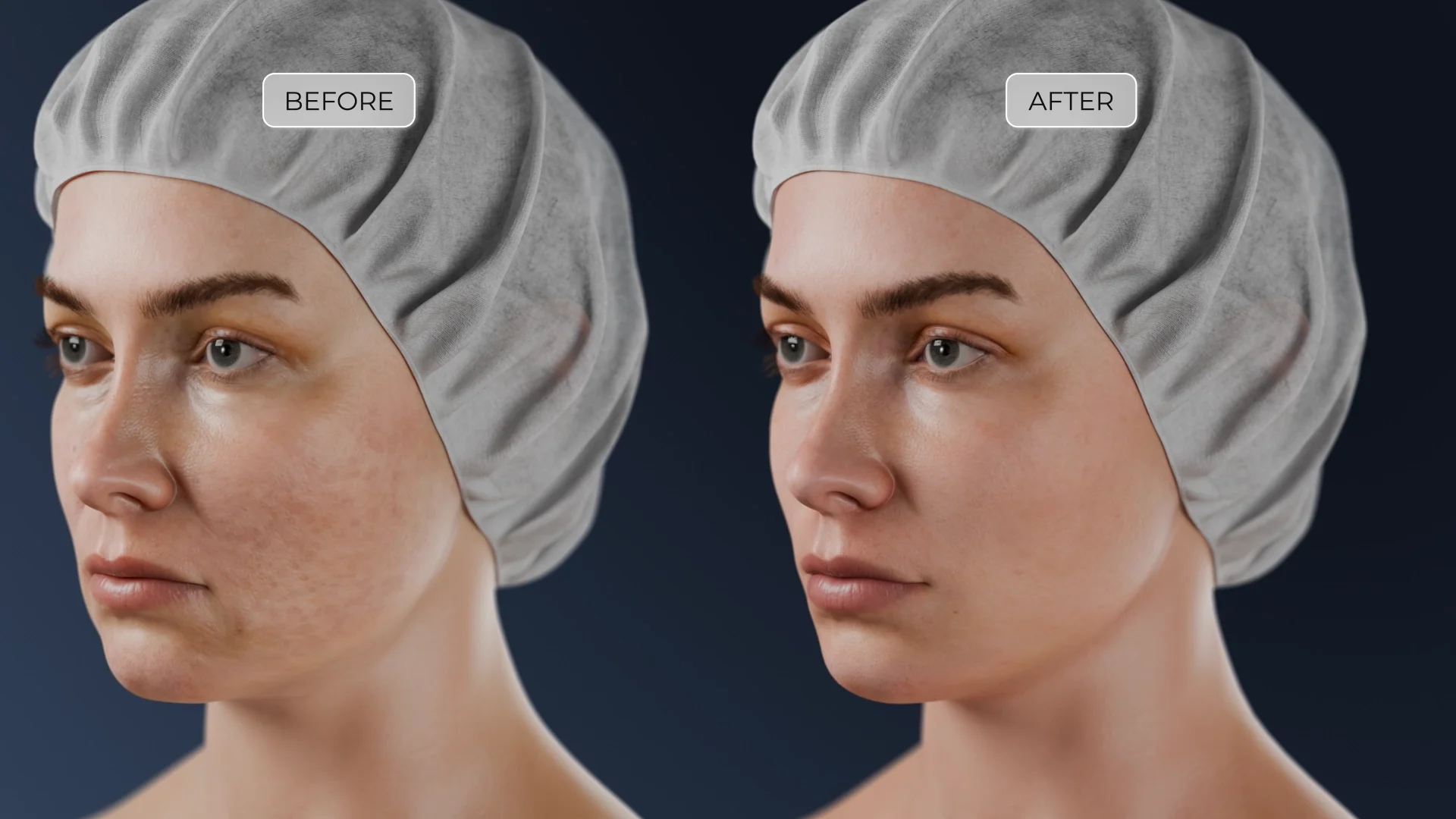
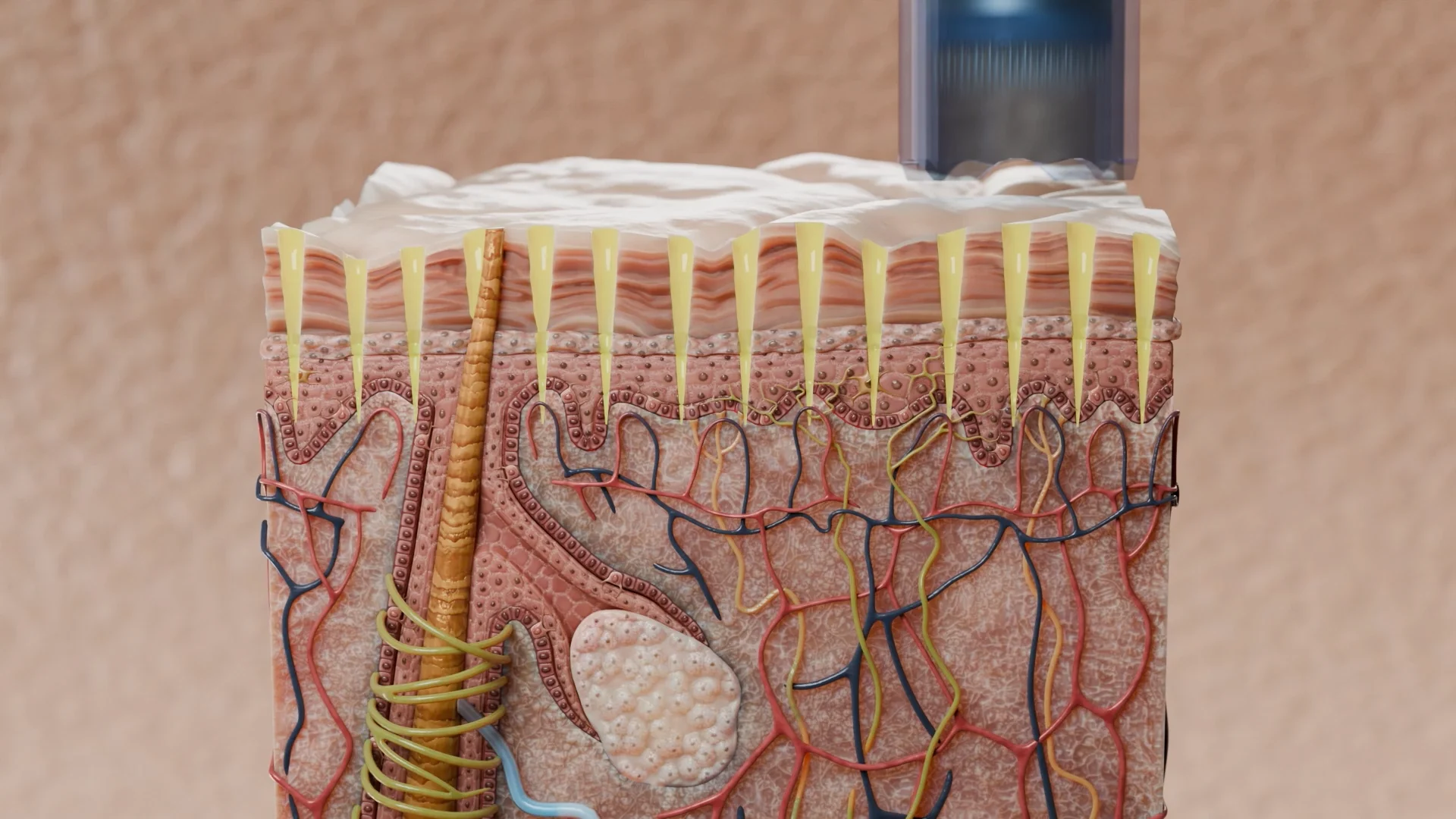
The therapeutic effect of microneedling is driven primarily by collagen induction, one of the skin’s key biological responses to controlled injury.
By creating multiple controlled microinjuries, microneedling triggers the skin’s natural inflammatory reaction, leading to dermal repair.
Microneedling outcomes can be enhanced through transdermal delivery of vitamins, antioxidants, peptides, hyaluronic acid, and platelet-rich blood plasma.
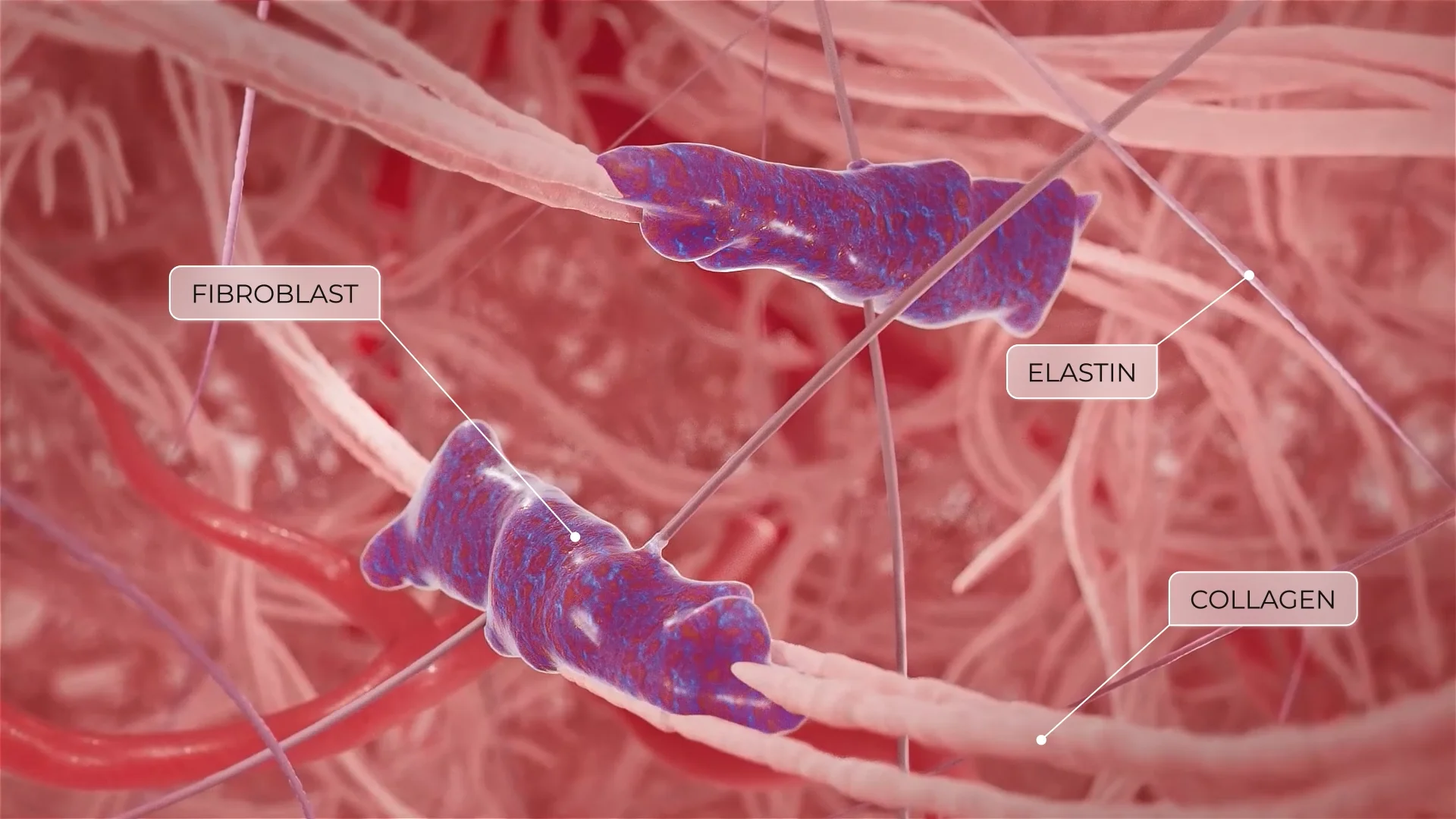
Long-lasting results are achieved through the full dermal matrix remodeling cycle.
Find more scientifically accurate content on our social media


The procedure requires no special pre-treatment preparation.
The entire session typically takes 30–40 minutes.
The recommended number of sessions depends on baseline skin condition and desired outcomes; the optimal treatment interval is once per month.
1. What is microneedling?
2. What is the mechanism of action and the expected effect?
3. What are the main indications for microneedling?
4. Is microneedling painful?
5. How long does it take for skin to heal after microneedling?
6. How often microneedling should be done and how many sessions are required?
7. Are there any side effects?
8. What is the difference between microneedling, mesotherapy, and biorevitalization?
References
1.
VOKA Catalogue. [Electronic resource].
https://catalog.voka.io/
2.
Chilicka K, Rusztowicz M, Szyguła R, Nowicka D. Methods for the Improvement of Acne Scars Used in Dermatology and Cosmetology: A Review. J Clin Med. 2022 May 12;11(10):2744. doi: 10.3390/jcm11102744. PMID: 35628870; PMCID: PMC9147527.
3.
Jaiswal S, Jawade S. Microneedling in Dermatology: A Comprehensive Review of Applications, Techniques, and Outcomes. Cureus. 2024 Sep 23;16(9):e70033. doi: 10.7759/cureus.70033. PMID: 39449889; PMCID: PMC11499218.
4.
Mujahid N, Shareef F, Maymone MBC, Vashi NA. Microneedling as a Treatment for Acne Scarring: A Systematic Review. Dermatol Surg. 2020 Jan;46(1):86-92. doi: 10.1097/DSS.0000000000002020. PMID: 31356435.
5.
Faghihi G, Nabavinejad S, Mokhtari F, Fatemi Naeini F, Iraji F. Microneedling in androgenetic alopecia; comparing two different depths of microneedles. J Cosmet Dermatol. 2021 Apr;20(4):1241-1247. doi: 10.1111/jocd.13714. Epub 2020 Sep 29. PMID: 32897622.
Loading test 6 questions
Table of Contents



Summarize article with AI
Choose your preferable AI assistant:
Link successfully copied to clipboard
Thank you!
Your message is sent!
Our experts will contact you shortly. If you have any additional questions, please contact us at info@voka.io