
Elbow joint anatomy test
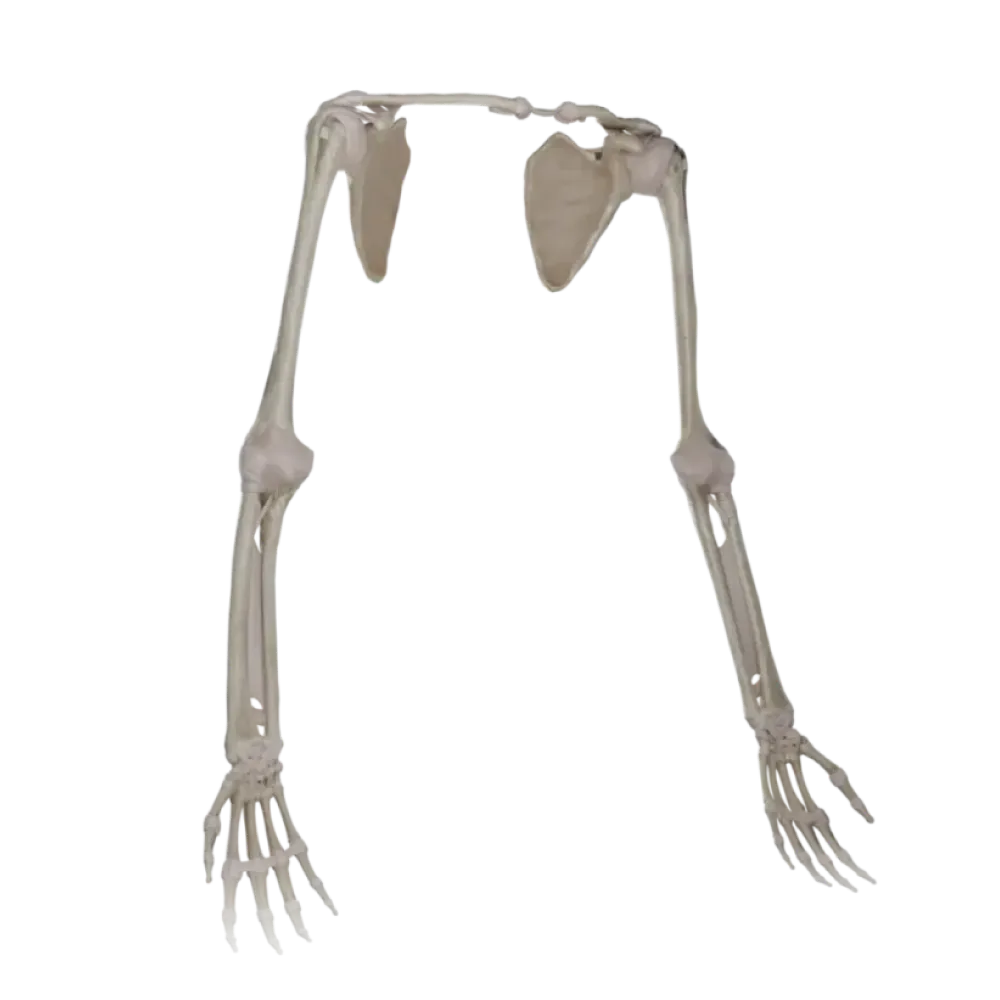
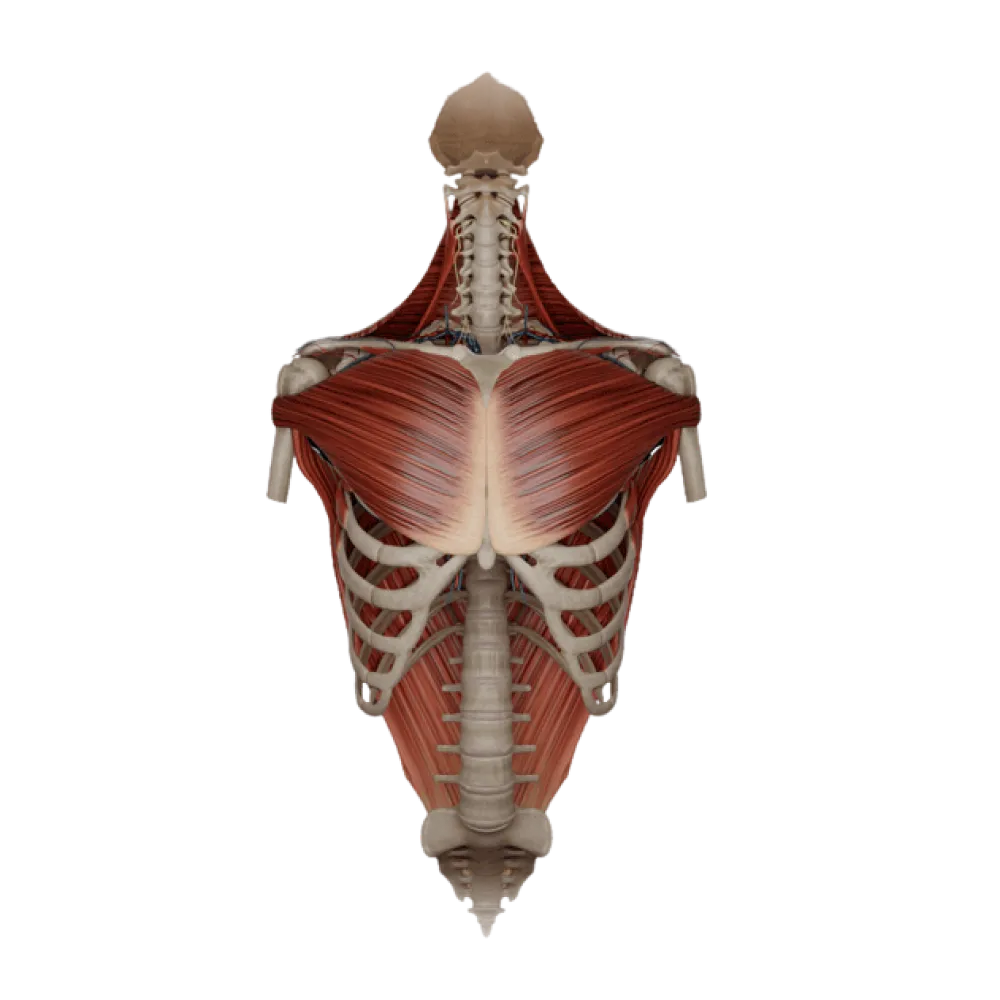
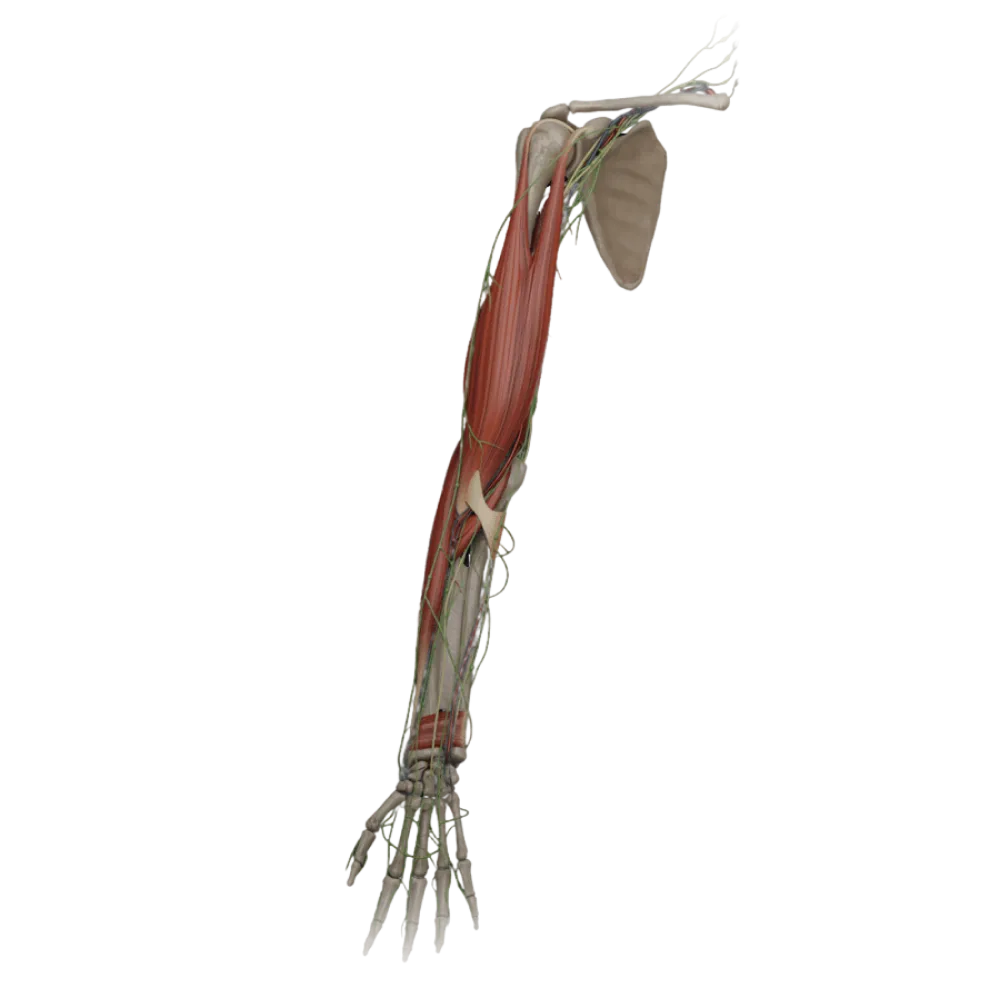
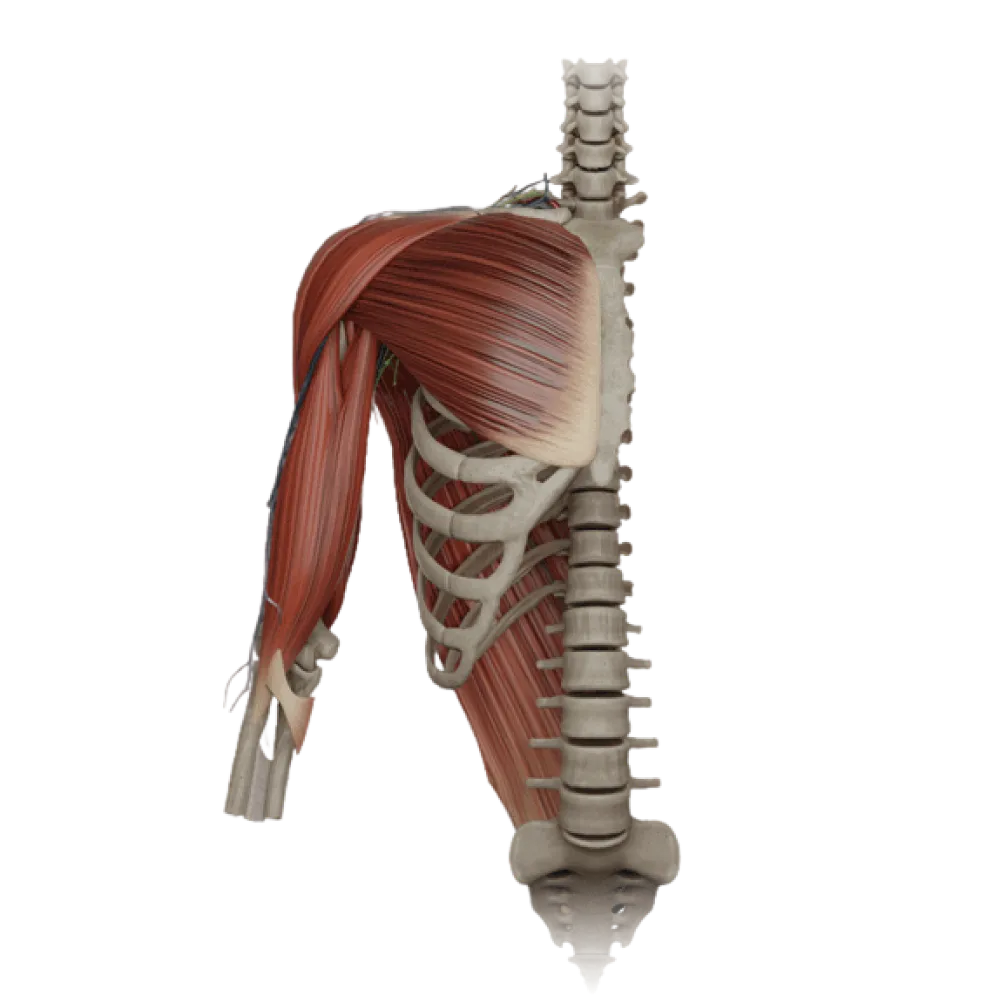
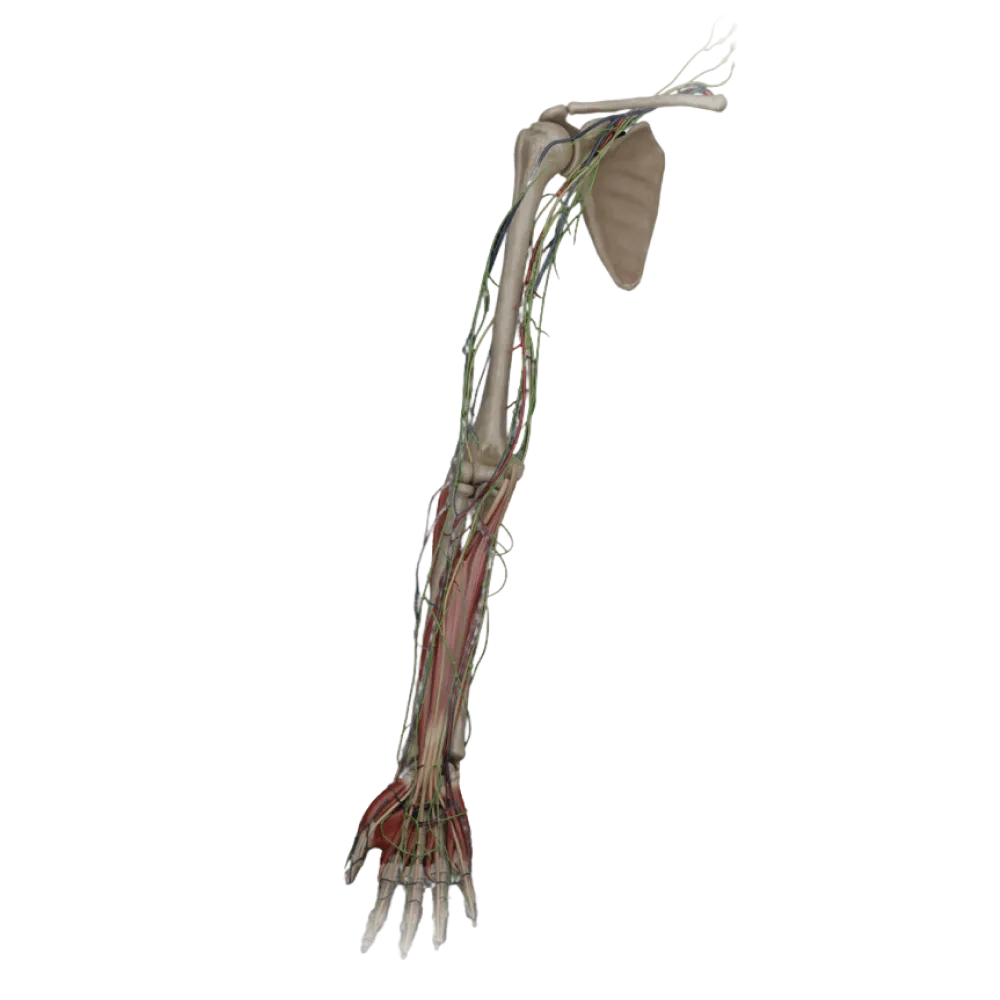
Evaluate knowledge of elbow joint anatomy. The test covers the muscles, their innervation, blood supply (arterial network) and biomechanics of movements.
1/20
bold
text
1. Which muscle is the main flexor of the forearm, attaching to the ulnar tuberosity?
-
M. biceps brachii
The brachialis attaches to the tuberosity of the ulna and provides flexion regardless of the position of the forearm.
-
M. brachialis
The brachialis attaches to the tuberosity of the ulna and provides flexion regardless of the position of the forearm.
-
M. brachioradialis
The brachialis attaches to the tuberosity of the ulna and provides flexion regardless of the position of the forearm.
-
Pronator teres
The brachialis attaches to the tuberosity of the ulna and provides flexion regardless of the position of the forearm.
-
I find it difficult to answer
The brachialis attaches to the tuberosity of the ulna and provides flexion regardless of the position of the forearm.
2. Where does the tendon of the muscle attach. biceps brachii?
-
Tuberosity of the radius
The biceps brachii attaches to the radial tuberosity, providing flexion and supination of the forearm.
-
Tuberosity of the ulna
The biceps brachii attaches to the radial tuberosity, providing flexion and supination of the forearm.
-
Coronoid process
The biceps brachii attaches to the radial tuberosity, providing flexion and supination of the forearm.
-
Olecranon
The biceps brachii attaches to the radial tuberosity, providing flexion and supination of the forearm.
-
I find it difficult to answer
The biceps brachii attaches to the radial tuberosity, providing flexion and supination of the forearm.
3. Which nerve provides innervation to all heads of the muscle. Triceps brachii?
-
Ulnar nerve
The radial nerve runs in the radial groove and innervates all heads of the triceps brachii.
-
Median nerve
The radial nerve runs in the radial groove and innervates all heads of the triceps brachii.
-
Radial nerve
The radial nerve runs in the radial groove and innervates all heads of the triceps brachii.
-
Musculocutaneous nerve
The radial nerve runs in the radial groove and innervates all heads of the triceps brachii.
-
I find it difficult to answer
The radial nerve runs in the radial groove and innervates all heads of the triceps brachii.
4. Of which artery is a branch collateralis ulnaris superior?
-
Deep brachial artery
The superior ulnar collateral artery branches from the brachial artery above the medial epicondyle of the humerus.
-
Radial artery
The superior ulnar collateral artery branches from the brachial artery above the medial epicondyle of the humerus.
-
Ulnar artery
The superior ulnar collateral artery branches from the brachial artery above the medial epicondyle of the humerus.
-
Brachial artery
The superior ulnar collateral artery branches from the brachial artery above the medial epicondyle of the humerus.
-
I find it difficult to answer
The superior ulnar collateral artery branches from the brachial artery above the medial epicondyle of the humerus.
5. Which nerve is located in the sulcus of the ulnar nerve behind the medial epicondyle of the humerus?
-
Median nerve
The ulnar nerve runs in the bony groove of the medial epicondyle, where it is most superficial.
-
Ulnar nerve
The ulnar nerve runs in the bony groove of the medial epicondyle, where it is most superficial.
-
Radial nerve
The ulnar nerve runs in the bony groove of the medial epicondyle, where it is most superficial.
-
Musculocutaneous nerve
The ulnar nerve runs in the bony groove of the medial epicondyle, where it is most superficial.
-
I find it difficult to answer
The ulnar nerve runs in the bony groove of the medial epicondyle, where it is most superficial.
6. Which muscle acts as a synergist to the biceps brachii in the supination of the forearm. Biceps brachii in the supination of the forearm?
-
Supinator
The supinator muscle and the biceps brachii are the main supinators of the forearm.
-
Pronator quadratus
The supinator muscle and the biceps brachii are the main supinators of the forearm.
-
M. brachialis
The supinator muscle and the biceps brachii are the main supinators of the forearm.
-
Anconeus
The supinator muscle and the biceps brachii are the main supinators of the forearm.
-
I find it difficult to answer
The supinator muscle and the biceps brachii are the main supinators of the forearm.
7. From which artery does the radial recurrent artery directly originate. Radial recurrent artery?
-
Brachial artery
The radial recurrent artery starts from the radial artery immediately after its formation in the cubital fossa.
-
Deep brachial artery
The radial recurrent artery starts from the radial artery immediately after its formation in the cubital fossa.
-
Ulnar artery
The radial recurrent artery starts from the radial artery immediately after its formation in the cubital fossa.
-
Radial artery
The radial recurrent artery starts from the radial artery immediately after its formation in the cubital fossa.
-
I find it difficult to answer
The radial recurrent artery starts from the radial artery immediately after its formation in the cubital fossa.
8. Which nerve innervates the m. Brachioradialis?
-
Ulnar nerve
Despite its flexion function, the brachioradialis muscle topographically and genetically belongs to the group of the radial nerve.
-
Median nerve
Despite its flexion function, the brachioradialis muscle topographically and genetically belongs to the group of the radial nerve.
-
Radial nerve
Despite its flexion function, the brachioradialis muscle topographically and genetically belongs to the group of the radial nerve.
-
Musculocutaneous nerve
Despite its flexion function, the brachioradialis muscle topographically and genetically belongs to the group of the radial nerve.
-
I find it difficult to answer
Despite its flexion function, the brachioradialis muscle topographically and genetically belongs to the group of the radial nerve.
9. With which artery does a. anastomose. Posterior ulnar recurrent artery at the elbow joint?
-
A. collateralis radialis
The posterior ulnar recurrent artery forms an anastomosis with the superior ulnar collateral artery.
-
A. collateralis ulnaris superior
The posterior ulnar recurrent artery forms an anastomosis with the superior ulnar collateral artery.
-
A. collateralis media
The posterior ulnar recurrent artery forms an anastomosis with the superior ulnar collateral artery.
-
A. recurrens radialis
The posterior ulnar recurrent artery forms an anastomosis with the superior ulnar collateral artery.
-
I find it difficult to answer
The posterior ulnar recurrent artery forms an anastomosis with the superior ulnar collateral artery.
10. Which muscle acting on the elbow joint is innervated by the median nerve. Median nerve?
-
Pronator teres
The median nerve innervates the pronator teres, passing between its humeral and ulnar heads.
-
Supinator
The median nerve innervates the pronator teres, passing between its humeral and ulnar heads.
-
M. triceps brachii
The median nerve innervates the pronator teres, passing between its humeral and ulnar heads.
-
Anconeus
The median nerve innervates the pronator teres, passing between its humeral and ulnar heads.
-
I find it difficult to answer
The median nerve innervates the pronator teres, passing between its humeral and ulnar heads.
11. Which muscle aids in the extension at the elbow joint and retracts its capsule?
-
M. brachialis
The anconeus muscle assists the triceps and prevents the capsule of the joint from being pinched during extension.
-
M. brachioradialis
The anconeus muscle assists the triceps and prevents the capsule of the joint from being pinched during extension.
-
Coracobrachialis
The anconeus muscle assists the triceps and prevents the capsule of the joint from being pinched during extension.
-
Anconeus
The anconeus muscle assists the triceps and prevents the capsule of the joint from being pinched during extension.
-
I find it difficult to answer
The anconeus muscle assists the triceps and prevents the capsule of the joint from being pinched during extension.
12. Indicate the primary source of innervation to the anterior surface of the elbow joint capsule?
-
Ulnar nerve
The musculocutaneous nerve gives articular branches to the anterior and lateral parts of the capsule.
-
Radial nerve
The musculocutaneous nerve gives articular branches to the anterior and lateral parts of the capsule.
-
Musculocutaneous nerve
The musculocutaneous nerve gives articular branches to the anterior and lateral parts of the capsule.
-
Axillary nerve
The musculocutaneous nerve gives articular branches to the anterior and lateral parts of the capsule.
-
I find it difficult to answer
The musculocutaneous nerve gives articular branches to the anterior and lateral parts of the capsule.
13. What additional function does the biceps brachii perform when the forearm is flexed. Biceps brachii with the forearm?
-
Pronation
Due to its attachment to the radial bone, the biceps is a powerful supinator when the elbow is bent.
-
Supination
Due to its attachment to the radial bone, the biceps is a powerful supinator when the elbow is bent.
-
Adduction
Due to its attachment to the radial bone, the biceps is a powerful supinator when the elbow is bent.
-
Abduction
Due to its attachment to the radial bone, the biceps is a powerful supinator when the elbow is bent.
-
I find it difficult to answer
Due to its attachment to the radial bone, the biceps is a powerful supinator when the elbow is bent.
14. Of which artery is a branch Middle collateral artery, forming the cubital articular network?
-
Deep brachial artery
The middle collateral artery is one of the terminal branches of the deep brachial artery.
-
Brachial artery
The middle collateral artery is one of the terminal branches of the deep brachial artery.
-
Axillary artery
The middle collateral artery is one of the terminal branches of the deep brachial artery.
-
Radial artery
The middle collateral artery is one of the terminal branches of the deep brachial artery.
-
I find it difficult to answer
The middle collateral artery is one of the terminal branches of the deep brachial artery.
15. Which ligament encircles the head of the radius, ensuring its rotation?
-
Lig Ulnar collateral ligament
The annular ligament of the radius holds the head against the ulna, allowing it to rotate.
-
Lig Radial collateral ligament
The annular ligament of the radius holds the head against the ulna, allowing it to rotate.
-
Lig Quadrate ligament
The annular ligament of the radius holds the head against the ulna, allowing it to rotate.
-
Lig Annular ligament of the radius
The annular ligament of the radius holds the head against the ulna, allowing it to rotate.
-
I find it difficult to answer
The annular ligament of the radius holds the head against the ulna, allowing it to rotate.
16. Of which artery is a branch Interosseous recurrent artery?
-
Radial artery
The interosseous recurrent artery branches from the posterior interosseous artery and anastomoses with the middle collateral artery.
-
Ulnar artery
The interosseous recurrent artery branches from the posterior interosseous artery and anastomoses with the middle collateral artery.
-
Posterior interosseous artery
The interosseous recurrent artery branches from the posterior interosseous artery and anastomoses with the middle collateral artery.
-
Deep brachial artery
The interosseous recurrent artery branches from the posterior interosseous artery and anastomoses with the middle collateral artery.
-
I find it difficult to answer
The interosseous recurrent artery branches from the posterior interosseous artery and anastomoses with the middle collateral artery.
17. Which muscle originates from the lateral epicondyle of the humerus and is involved in supination?
-
Pronator teres
The supinator muscle originates from the lateral epicondyle and crista of m. ulnae supinatoris.
-
Supinator
The supinator muscle originates from the lateral epicondyle and crista of m. ulnae supinatoris.
-
M. brachialis
The supinator muscle originates from the lateral epicondyle and crista of m. ulnae supinatoris.
-
M. biceps brachii
The supinator muscle originates from the lateral epicondyle and crista of m. ulnae supinatoris.
-
I find it difficult to answer
The supinator muscle originates from the lateral epicondyle and crista of m. ulnae supinatoris.
18. Which nerve passes through the canalis supinatorius, innervating the extensors?
-
N. radialis (r. profundus)
The deep branch of the radial nerve passes through the supinator and emerges into the posterior compartment of the forearm.
-
Ulnar nerve
The deep branch of the radial nerve passes through the supinator and emerges into the posterior compartment of the forearm.
-
Median nerve
The deep branch of the radial nerve passes through the supinator and emerges into the posterior compartment of the forearm.
-
Musculocutaneous nerve
The deep branch of the radial nerve passes through the supinator and emerges into the posterior compartment of the forearm.
-
I find it difficult to answer
The deep branch of the radial nerve passes through the supinator and emerges into the posterior compartment of the forearm.
19. With which artery does a. anastomose. inferior ulnar collateral artery?
-
A. recurrens radialis
The inferior ulnar collateral artery anastomoses with the anterior ulnar recurrent artery.
-
interosseous recurrent artery
The inferior ulnar collateral artery anastomoses with the anterior ulnar recurrent artery.
-
posterior ulnar recurrent artery
The inferior ulnar collateral artery anastomoses with the anterior ulnar recurrent artery.
-
anterior ulnar recurrent artery
The inferior ulnar collateral artery anastomoses with the anterior ulnar recurrent artery.
-
I find it difficult to answer
The inferior ulnar collateral artery anastomoses with the anterior ulnar recurrent artery.
20. To which type of joints does the articulatio radioulnaris proximalis belong?
-
Hinge
The proximal radioulnar joint is a cylindrical joint that facilitates rotation of the radius.
-
Ellipsoidal
The proximal radioulnar joint is a cylindrical joint that facilitates rotation of the radius.
-
Cylinder-shaped
The proximal radioulnar joint is a cylindrical joint that facilitates rotation of the radius.
-
Saddle-shaped
The proximal radioulnar joint is a cylindrical joint that facilitates rotation of the radius.
-
I find it difficult to answer
The proximal radioulnar joint is a cylindrical joint that facilitates rotation of the radius.
Retake this quiz?
Your current progress will be reset.