


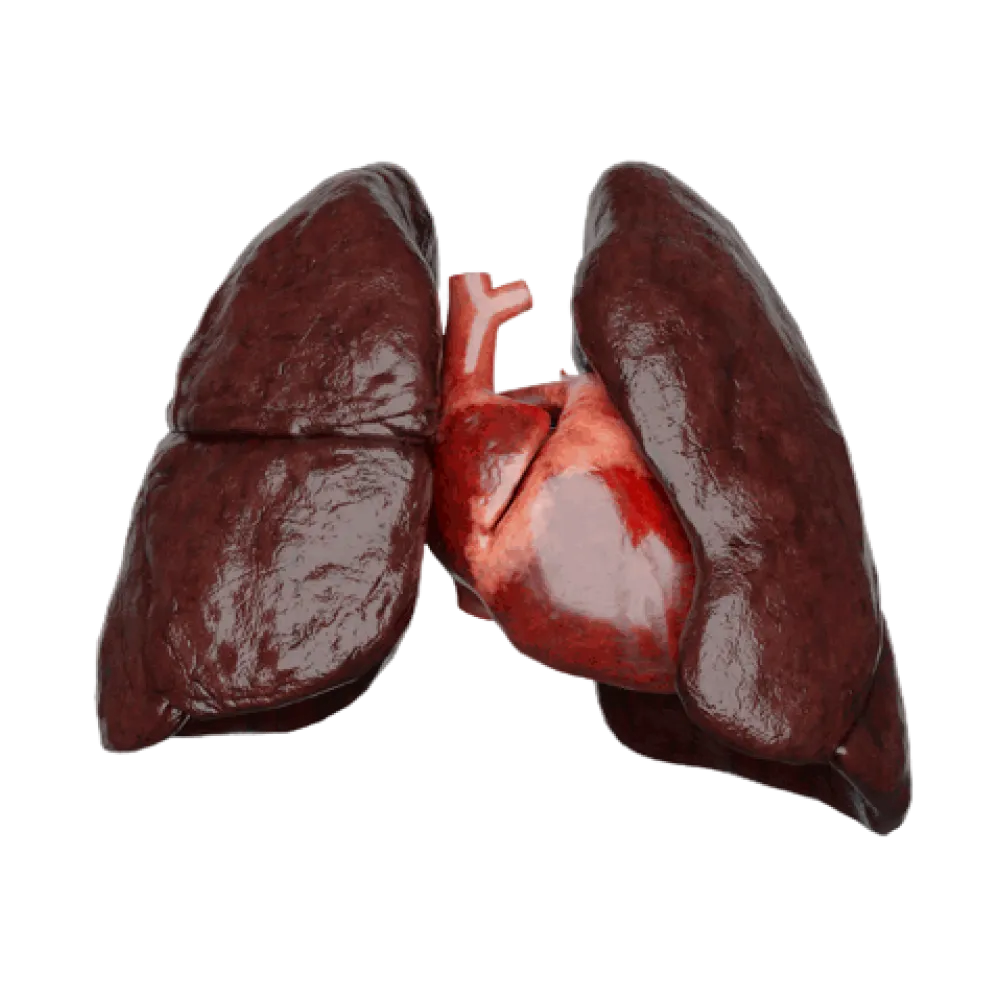


Test on heart blood supply anatomy
Assess your knowledge of cardiac circulation anatomy. The test checks the topology of the coronary vessels, their branching, and supply zones.
1/20
bold
text
1. Where do the right and left coronary arteries originate?
-
In the pulmonary trunk
The coronary arteries arise from the right and left sinuses of the aorta (sinuses of Valsalva) in the region of the ascending aorta bulb (bulbus aortae).
-
In the aortic bulb
The coronary arteries arise from the right and left sinuses of the aorta (sinuses of Valsalva) in the region of the ascending aorta bulb (bulbus aortae).
-
In the aortic arch
The coronary arteries arise from the right and left sinuses of the aorta (sinuses of Valsalva) in the region of the ascending aorta bulb (bulbus aortae).
-
In the descending aorta
The coronary arteries arise from the right and left sinuses of the aorta (sinuses of Valsalva) in the region of the ascending aorta bulb (bulbus aortae).
-
I find it difficult to answer
The coronary arteries arise from the right and left sinuses of the aorta (sinuses of Valsalva) in the region of the ascending aorta bulb (bulbus aortae).
2. Between which structures does the left coronary artery pass at its initial segment?
-
Between the pulmonary trunk and the left auricle
The left coronary artery (a. coronaria sinistra) emerges from the left aortic sinus and lays in the coronary sulcus between the pulmonary trunk and the left atrial auricle.
-
Between the aorta and the right auricle
The left coronary artery (a. coronaria sinistra) emerges from the left aortic sinus and lays in the coronary sulcus between the pulmonary trunk and the left atrial auricle.
-
Between the superior vena cava and the right atrium
The left coronary artery (a. coronaria sinistra) emerges from the left aortic sinus and lays in the coronary sulcus between the pulmonary trunk and the left atrial auricle.
-
Between the pulmonary veins and the left atrium
The left coronary artery (a. coronaria sinistra) emerges from the left aortic sinus and lays in the coronary sulcus between the pulmonary trunk and the left atrial auricle.
-
I find it difficult to answer
The left coronary artery (a. coronaria sinistra) emerges from the left aortic sinus and lays in the coronary sulcus between the pulmonary trunk and the left atrial auricle.
3. Into which main branches does the trunk of the left coronary artery divide?
-
Into the marginal and posterior interventricular branches
Trunk of a. coronaria sinistra usually divides into the anterior interventricular (r. interventricularis anterior) and circumflex (r. circumflexus) branches.
-
Into the diagonal and atrial branches
Trunk of a. coronaria sinistra usually divides into the anterior interventricular (r. interventricularis anterior) and circumflex (r. circumflexus) branches.
-
Into the sinoatrial and atrioventricular branches
Trunk of a. coronaria sinistra usually divides into the anterior interventricular (r. interventricularis anterior) and circumflex (r. circumflexus) branches.
-
Into the circumflex and anterior interventricular branches
Trunk of a. coronaria sinistra usually divides into the anterior interventricular (r. interventricularis anterior) and circumflex (r. circumflexus) branches.
-
I find it difficult to answer
Trunk of a. coronaria sinistra usually divides into the anterior interventricular (r. interventricularis anterior) and circumflex (r. circumflexus) branches.
4. Which vein accompanies the anterior interventricular branch of the left coronary artery?
-
Middle cardiac vein
The great cardiac vein (v. cordis magna) starts at the apex of the heart and travels in the anterior interventricular groove together with r. anterior interventricular.
-
Small cardiac vein
The great cardiac vein (v. cordis magna) starts at the apex of the heart and travels in the anterior interventricular groove together with r. anterior interventricular.
-
Great cardiac vein
The great cardiac vein (v. cordis magna) starts at the apex of the heart and travels in the anterior interventricular groove together with r. anterior interventricular.
-
Anterior cardiac vein
The great cardiac vein (v. cordis magna) starts at the apex of the heart and travels in the anterior interventricular groove together with r. anterior interventricular.
-
I find it difficult to answer
The great cardiac vein (v. cordis magna) starts at the apex of the heart and travels in the anterior interventricular groove together with r. anterior interventricular.
5. Which artery branch in most cases (about 60%) supplies the sinuatrial node?
-
Left coronary artery
The branch of the sinuatrial node (r. nodi sinuatrialis) most commonly is a branch of the right coronary artery.
-
Circumflex artery
The branch of the sinuatrial node (r. nodi sinuatrialis) most commonly is a branch of the right coronary artery.
-
Right coronary artery
The branch of the sinuatrial node (r. nodi sinuatrialis) most commonly is a branch of the right coronary artery.
-
Anterior interventricular artery
The branch of the sinuatrial node (r. nodi sinuatrialis) most commonly is a branch of the right coronary artery.
-
I find it difficult to answer
The branch of the sinuatrial node (r. nodi sinuatrialis) most commonly is a branch of the right coronary artery.
6. Which artery's continuation is the posterior interventricular branch in the rightdominant pattern of heart blood supply?
-
Circumflex branch
In the dominance of the right coronary artery, it continues to the diaphragmatic surface as r. posterior interventricular.
-
Right coronary artery
In the dominance of the right coronary artery, it continues to the diaphragmatic surface as r. posterior interventricular.
-
Left coronary artery
In the dominance of the right coronary artery, it continues to the diaphragmatic surface as r. posterior interventricular.
-
Anterior interventricular branch
In the dominance of the right coronary artery, it continues to the diaphragmatic surface as r. posterior interventricular.
-
I find it difficult to answer
In the dominance of the right coronary artery, it continues to the diaphragmatic surface as r. posterior interventricular.
7. Which structures are predominantly supplied by the anterior interventricular branch of the left coronary artery?
-
Posterior left ventricular wall
R. anterior interventricular supplies the anterior parts of both ventricles, the anterior two-thirds of the interventricular septum, and the apex of the heart.
-
The free wall of the right atrium
R. anterior interventricular supplies the anterior parts of both ventricles, the anterior two-thirds of the interventricular septum, and the apex of the heart.
-
Interatrial septum
R. anterior interventricular supplies the anterior parts of both ventricles, the anterior two-thirds of the interventricular septum, and the apex of the heart.
-
The anterior walls of both ventricles and the anterior two-thirds of the interventricular septum.
R. anterior interventricular supplies the anterior parts of both ventricles, the anterior two-thirds of the interventricular septum, and the apex of the heart.
-
I find it difficult to answer
R. anterior interventricular supplies the anterior parts of both ventricles, the anterior two-thirds of the interventricular septum, and the apex of the heart.
8. In which anatomical structure is the coronary sinus of the heart located?
-
In the anterior interventricular sulcus
The coronary sinus (sinus coronarius) lies in the posterior part of the coronary groove between the left atrium and the left ventricle.
-
In the posterior interventricular groove
The coronary sinus (sinus coronarius) lies in the posterior part of the coronary groove between the left atrium and the left ventricle.
-
In the coronary groove on the diaphragmatic surface
The coronary sinus (sinus coronarius) lies in the posterior part of the coronary groove between the left atrium and the left ventricle.
-
In the marginal groove of the right atrium
The coronary sinus (sinus coronarius) lies in the posterior part of the coronary groove between the left atrium and the left ventricle.
-
I find it difficult to answer
The coronary sinus (sinus coronarius) lies in the posterior part of the coronary groove between the left atrium and the left ventricle.
9. Which vein is located in the posterior interventricular groove?
-
Great cardiac vein
The middle cardiac vein (v. cordis media) travels in the sulcus interventricularis posterior and drains into the coronary sinus.
-
Small cardiac vein
The middle cardiac vein (v. cordis media) travels in the sulcus interventricularis posterior and drains into the coronary sinus.
-
Oblique vein of the left atrium
The middle cardiac vein (v. cordis media) travels in the sulcus interventricularis posterior and drains into the coronary sinus.
-
Middle cardiac vein
The middle cardiac vein (v. cordis media) travels in the sulcus interventricularis posterior and drains into the coronary sinus.
-
I find it difficult to answer
The middle cardiac vein (v. cordis media) travels in the sulcus interventricularis posterior and drains into the coronary sinus.
10. Which cardiac veins open directly into the right atrium, bypassing the coronary sinus?
-
Anterior cardiac veins and the smallest cardiac veins
The anterior cardiac veins (vv. cordis anteriores) and the smallest cardiac veins (vv. cordis minimae, veins of Thebesius-Viessen) empty directly into the right atrium.
-
Great and small cardiac veins
The anterior cardiac veins (vv. cordis anteriores) and the smallest cardiac veins (vv. cordis minimae, veins of Thebesius-Viessen) empty directly into the right atrium.
-
Posterior vein of the left ventricle and middle vein
The anterior cardiac veins (vv. cordis anteriores) and the smallest cardiac veins (vv. cordis minimae, veins of Thebesius-Viessen) empty directly into the right atrium.
-
Oblique vein of the left atrium
The anterior cardiac veins (vv. cordis anteriores) and the smallest cardiac veins (vv. cordis minimae, veins of Thebesius-Viessen) empty directly into the right atrium.
-
I find it difficult to answer
The anterior cardiac veins (vv. cordis anteriores) and the smallest cardiac veins (vv. cordis minimae, veins of Thebesius-Viessen) empty directly into the right atrium.
11. In which groove does the small cardiac vein (v. cordis parva) run before entering the coronary sinus?
-
In the coronary groove
The small cardiac vein runs in the right portion of the coronary groove (sulcus coronarius) and drains into the coronary sinus or into the middle cardiac vein.
-
In the anterior interventricular sulcus
The small cardiac vein runs in the right portion of the coronary groove (sulcus coronarius) and drains into the coronary sinus or into the middle cardiac vein.
-
In the marginal groove
The small cardiac vein runs in the right portion of the coronary groove (sulcus coronarius) and drains into the coronary sinus or into the middle cardiac vein.
-
In the terminal groove
The small cardiac vein runs in the right portion of the coronary groove (sulcus coronarius) and drains into the coronary sinus or into the middle cardiac vein.
-
I find it difficult to answer
The small cardiac vein runs in the right portion of the coronary groove (sulcus coronarius) and drains into the coronary sinus or into the middle cardiac vein.
12. Along which anatomical landmark does the right marginal branch (r. marginalis dexter) pass?
-
Along the left border of the heart towards the apex
The right marginal branch arises from a. coronaria dextra and is directed along margo dexter of the heart towards its apex.
-
Along the anterior interventricular groove
The right marginal branch arises from a. coronaria dextra and is directed along margo dexter of the heart towards its apex.
-
Along the right (acute) border of the heart towards the apex
The right marginal branch arises from a. coronaria dextra and is directed along margo dexter of the heart towards its apex.
-
Along the posterior interventricular groove
The right marginal branch arises from a. coronaria dextra and is directed along margo dexter of the heart towards its apex.
-
I find it difficult to answer
The right marginal branch arises from a. coronaria dextra and is directed along margo dexter of the heart towards its apex.
13. Where is the most pronounced intrasystemic arterial anastomosis between the systems of the right and left coronary arteries located?
-
At the opening of the superior vena cava
The largest anastomosis is formed at the apex of the heart between the anterior (from the left) and posterior (from the right) interventricular arteries.
-
On the anterior wall of the right atrium
The largest anastomosis is formed at the apex of the heart between the anterior (from the left) and posterior (from the right) interventricular arteries.
-
In the thickness of the free wall of the left ventricle
The largest anastomosis is formed at the apex of the heart between the anterior (from the left) and posterior (from the right) interventricular arteries.
-
At the heart apex area
The largest anastomosis is formed at the apex of the heart between the anterior (from the left) and posterior (from the right) interventricular arteries.
-
I find it difficult to answer
The largest anastomosis is formed at the apex of the heart between the anterior (from the left) and posterior (from the right) interventricular arteries.
14. Which artery most often gives off a branch to the atrioventricular node (AV node)?
-
Circumflex branch
The branch of the atrioventricular node (r. nodi atrioventricularis) usually arises from a. coronaria dextra at the crossing of the grooves (crux cordis).
-
Right coronary artery (in the region of the heart cross)
The branch of the atrioventricular node (r. nodi atrioventricularis) usually arises from a. coronaria dextra at the crossing of the grooves (crux cordis).
-
Anterior interventricular branch
The branch of the atrioventricular node (r. nodi atrioventricularis) usually arises from a. coronaria dextra at the crossing of the grooves (crux cordis).
-
Left marginal artery
The branch of the atrioventricular node (r. nodi atrioventricularis) usually arises from a. coronaria dextra at the crossing of the grooves (crux cordis).
-
I find it difficult to answer
The branch of the atrioventricular node (r. nodi atrioventricularis) usually arises from a. coronaria dextra at the crossing of the grooves (crux cordis).
15. From which artery does the left marginal branch (r. marginalis sinister) arise?
-
From the anterior interventricular branch
The left marginal branch arises from the circumflex branch (r. circumflexus) of the left coronary artery and descends along the obtuse margin (margo obtusus) of the heart.
-
From the diagonal branch
The left marginal branch arises from the circumflex branch (r. circumflexus) of the left coronary artery and descends along the obtuse margin (margo obtusus) of the heart.
-
From the right coronary artery
The left marginal branch arises from the circumflex branch (r. circumflexus) of the left coronary artery and descends along the obtuse margin (margo obtusus) of the heart.
-
From the circumflex branch
The left marginal branch arises from the circumflex branch (r. circumflexus) of the left coronary artery and descends along the obtuse margin (margo obtusus) of the heart.
-
I find it difficult to answer
The left marginal branch arises from the circumflex branch (r. circumflexus) of the left coronary artery and descends along the obtuse margin (margo obtusus) of the heart.
16. What embryonic structure's remnant is the oblique vein of the left atrium (Marshall's vein)?
-
Right superior vena cava
The oblique vein of the left atrium (v. obliqua atrii sinistri) is a remnant of the embryonic left superior vena cava (left Cuvier's duct).
-
Left superior vena cava
The oblique vein of the left atrium (v. obliqua atrii sinistri) is a remnant of the embryonic left superior vena cava (left Cuvier's duct).
-
Inferior vena cava
The oblique vein of the left atrium (v. obliqua atrii sinistri) is a remnant of the embryonic left superior vena cava (left Cuvier's duct).
-
Venous sinus
The oblique vein of the left atrium (v. obliqua atrii sinistri) is a remnant of the embryonic left superior vena cava (left Cuvier's duct).
-
I find it difficult to answer
The oblique vein of the left atrium (v. obliqua atrii sinistri) is a remnant of the embryonic left superior vena cava (left Cuvier's duct).
17. Into which heart chambers do the smallest cardiac veins (vv. cordis minimae) predominantly open?
-
Into the right atrium and the right ventricle
The smallest cardiac veins (Veins of Viessen-Thebesian) predominantly open into the chambers of the right half of the heart (atrium and ventricle).
-
Only into the left atrium
The smallest cardiac veins (Veins of Viessen-Thebesian) predominantly open into the chambers of the right half of the heart (atrium and ventricle).
-
Into the left atrium and left ventricle
The smallest cardiac veins (Veins of Viessen-Thebesian) predominantly open into the chambers of the right half of the heart (atrium and ventricle).
-
Exclusively into the coronary sinus
The smallest cardiac veins (Veins of Viessen-Thebesian) predominantly open into the chambers of the right half of the heart (atrium and ventricle).
-
I find it difficult to answer
The smallest cardiac veins (Veins of Viessen-Thebesian) predominantly open into the chambers of the right half of the heart (atrium and ventricle).
18. With which arteries do the coronary arteries form extracardiac anastomoses in the epicardium and pericardium?
-
With the pulmonary arteries
Extra-organ anastomoses of the coronary arteries are performed with the vessels of the pericardium (pericardiophrenic arteries) and mediastinum (bronchial, esophageal branches).
-
With the inferior epigastric arteries
Extra-organ anastomoses of the coronary arteries are performed with the vessels of the pericardium (pericardiophrenic arteries) and mediastinum (bronchial, esophageal branches).
-
With the pericardiophrenic and bronchial branches
Extra-organ anastomoses of the coronary arteries are performed with the vessels of the pericardium (pericardiophrenic arteries) and mediastinum (bronchial, esophageal branches).
-
With the posterior intercostal arteries
Extra-organ anastomoses of the coronary arteries are performed with the vessels of the pericardium (pericardiophrenic arteries) and mediastinum (bronchial, esophageal branches).
-
I find it difficult to answer
Extra-organ anastomoses of the coronary arteries are performed with the vessels of the pericardium (pericardiophrenic arteries) and mediastinum (bronchial, esophageal branches).
19. From which artery do the diagonal branches (rr. diagonales) that supply the anterolateral wall of the left ventricle originate?
-
From the posterior interventricular branch
The diagonal branches originate from r. interventricularis anterior (sometimes from the trunk of the left artery) and run to the anterolateral wall of the left ventricle.
-
From the right marginal branch
The diagonal branches originate from r. interventricularis anterior (sometimes from the trunk of the left artery) and run to the anterolateral wall of the left ventricle.
-
From the anterior interventricular branch
The diagonal branches originate from r. interventricularis anterior (sometimes from the trunk of the left artery) and run to the anterolateral wall of the left ventricle.
-
From the sinoatrial branch
The diagonal branches originate from r. interventricularis anterior (sometimes from the trunk of the left artery) and run to the anterolateral wall of the left ventricle.
-
I find it difficult to answer
The diagonal branches originate from r. interventricularis anterior (sometimes from the trunk of the left artery) and run to the anterolateral wall of the left ventricle.
20. From where do the anterior septal branches (rr. interventriculares septales), supplying the anterior 2/3 of the interventricular septum, originate?
-
From the anterior interventricular branch
The anterior 2/3 of the interventricular septum is vascularized by septal branches from r. interventricularis anterior (branches of the left coronary artery).
-
From the circumflex branch
The anterior 2/3 of the interventricular septum is vascularized by septal branches from r. interventricularis anterior (branches of the left coronary artery).
-
From the posterior interventricular branch
The anterior 2/3 of the interventricular septum is vascularized by septal branches from r. interventricularis anterior (branches of the left coronary artery).
-
From the right coronary artery
The anterior 2/3 of the interventricular septum is vascularized by septal branches from r. interventricularis anterior (branches of the left coronary artery).
-
I find it difficult to answer
The anterior 2/3 of the interventricular septum is vascularized by septal branches from r. interventricularis anterior (branches of the left coronary artery).
Retake this quiz?
Your current progress will be reset.