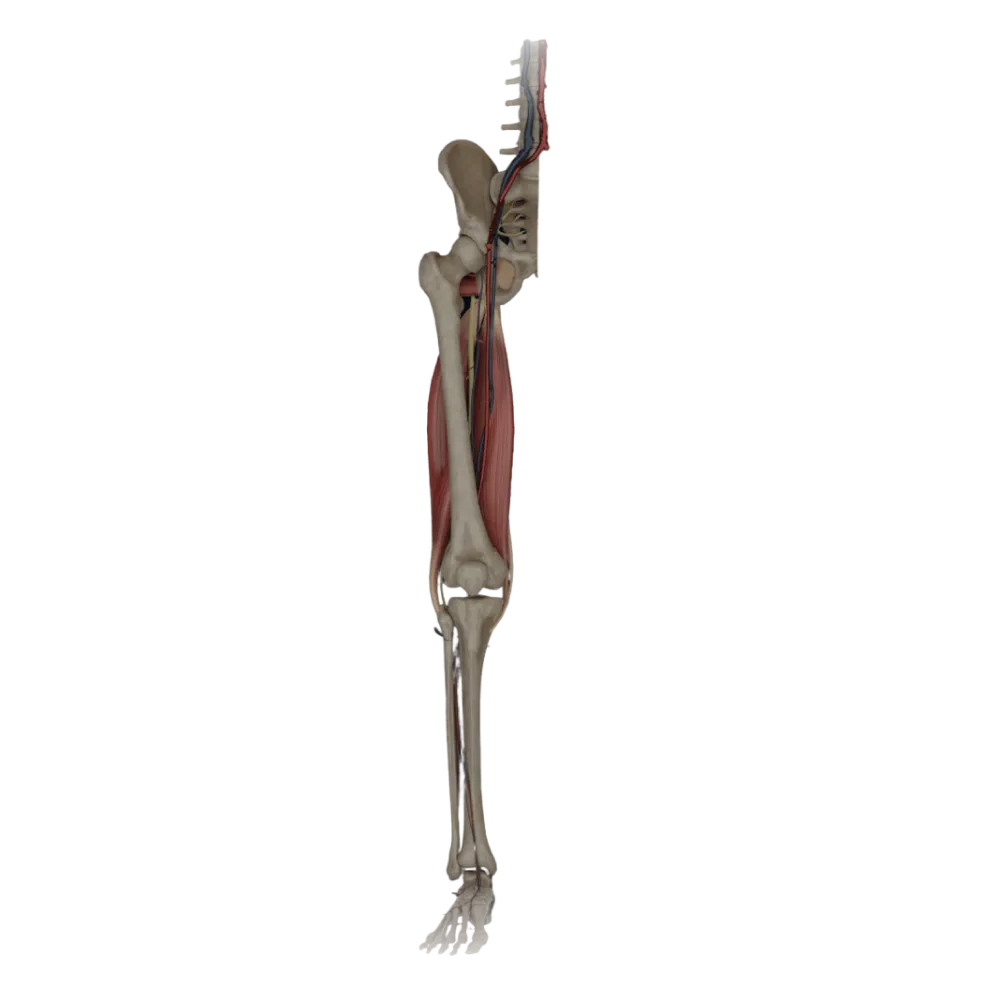
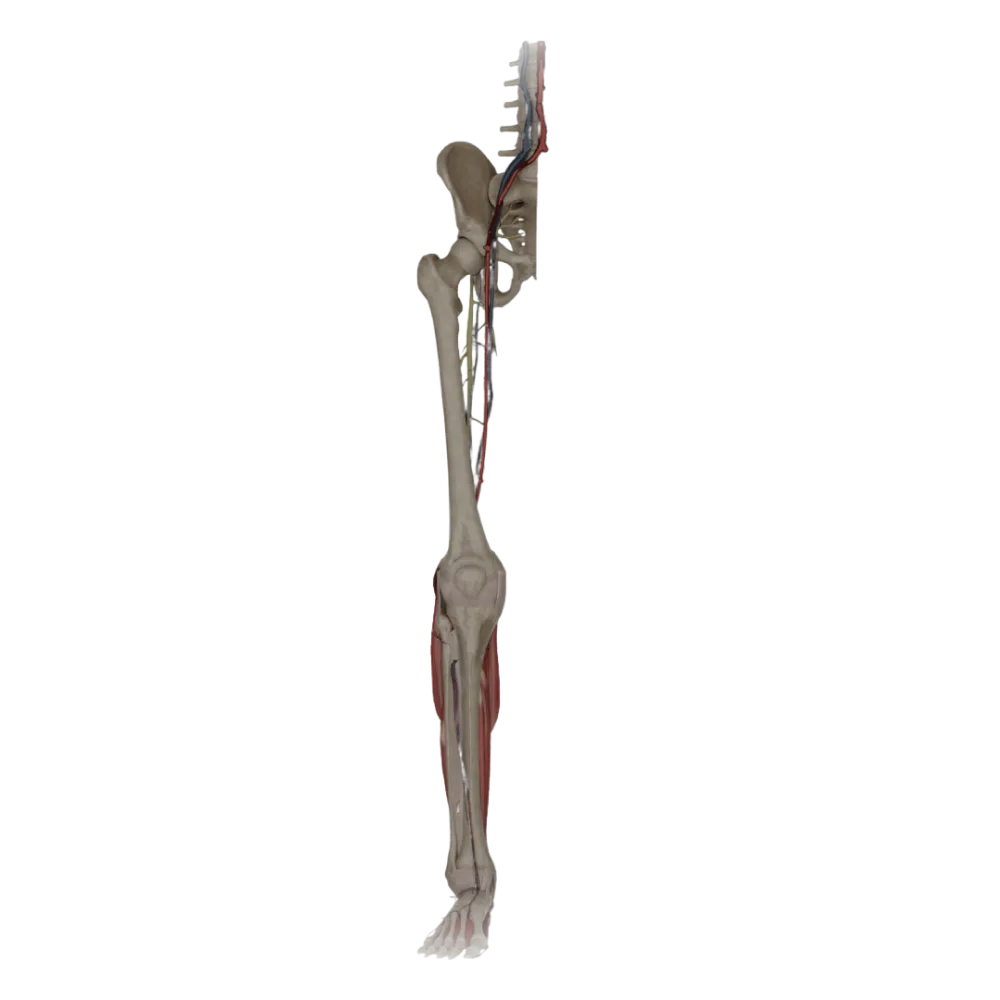
Anatomy test of the obturator nerve
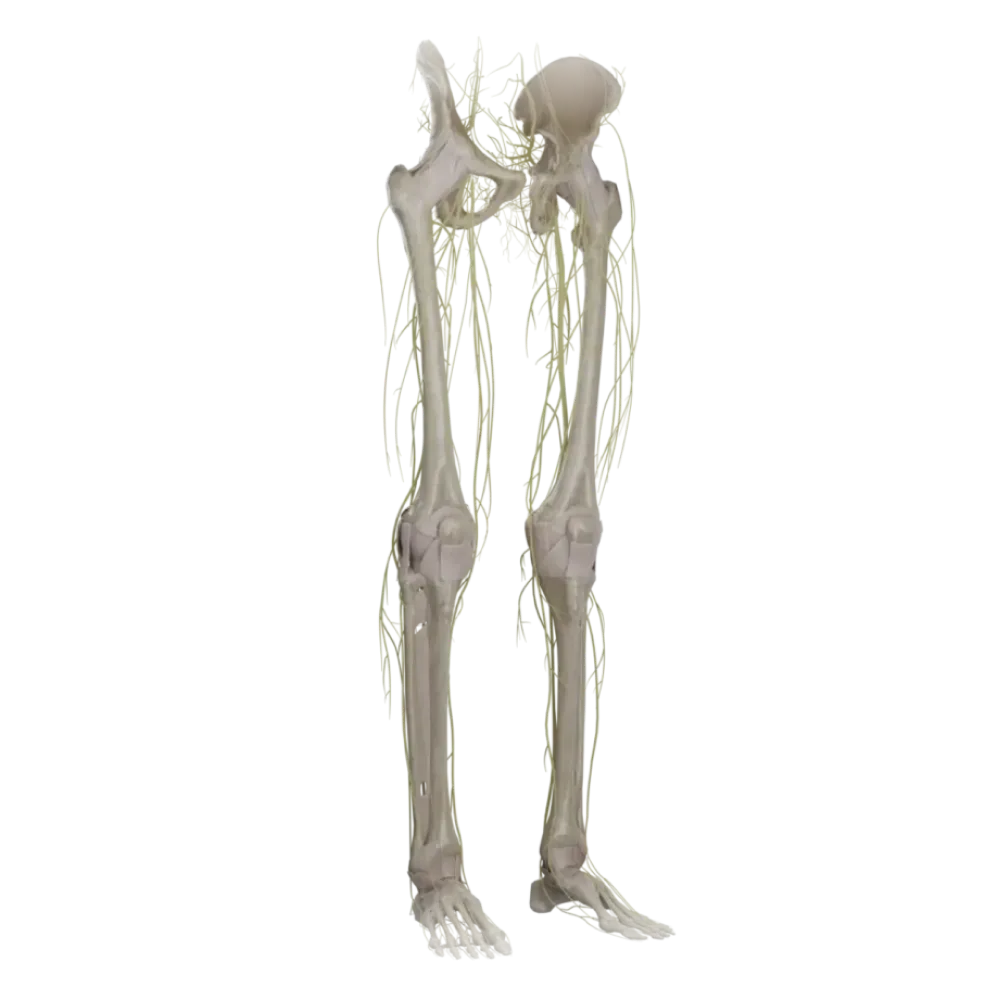
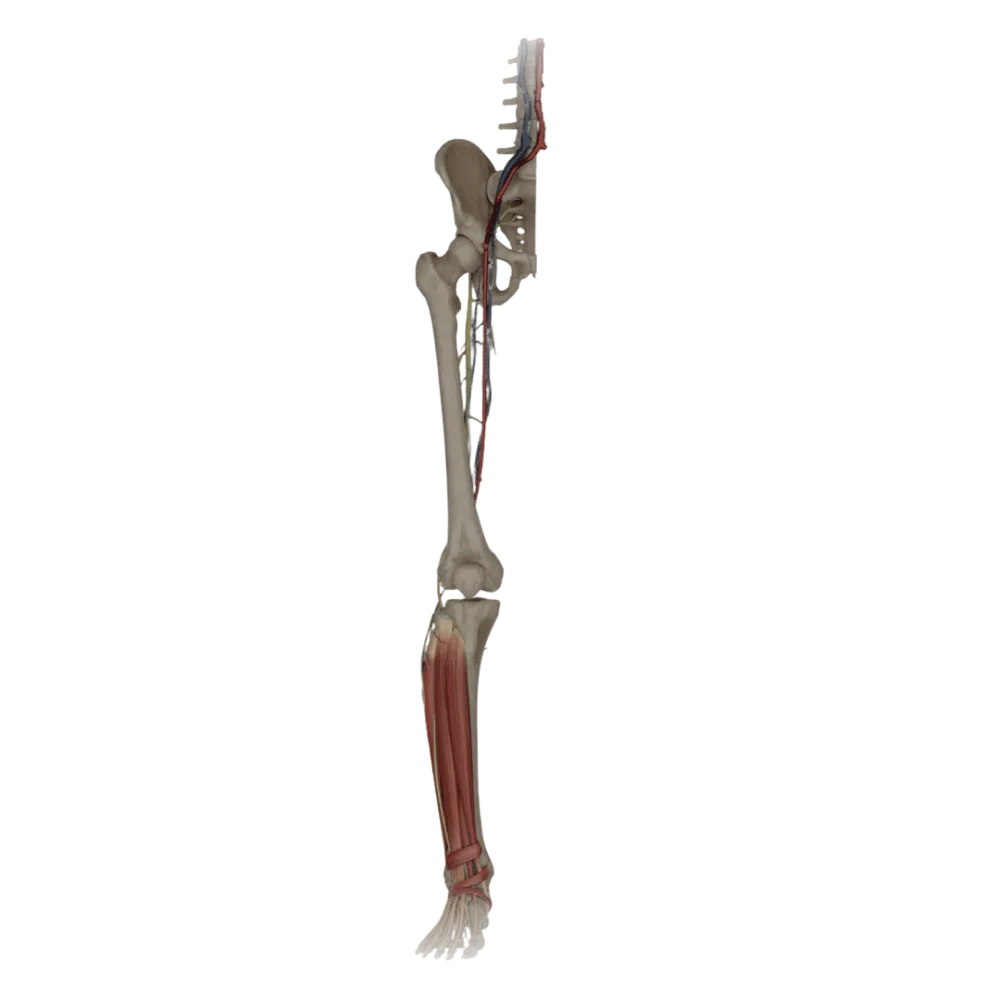
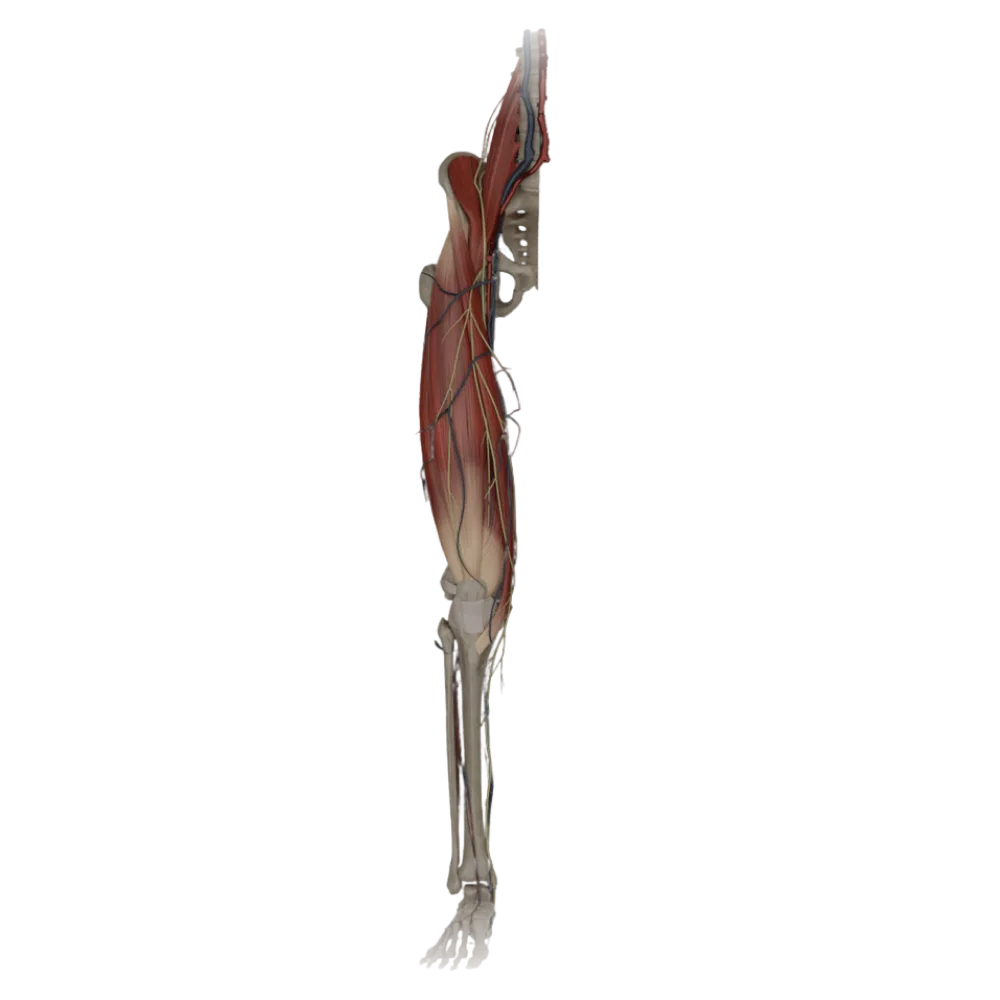
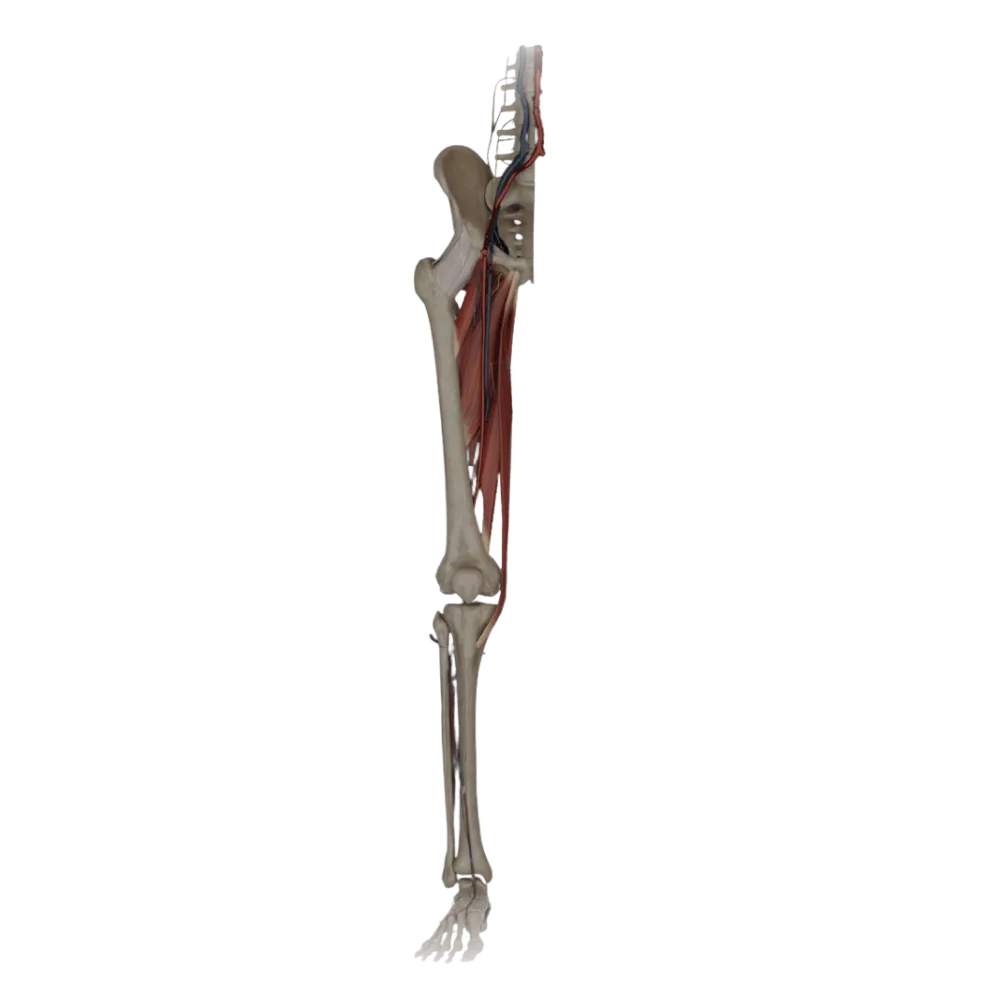
Evaluate the knowledge of obturator nerve anatomy. The test thoroughly examines its topography, branches, and areas of muscle and joint innervation.
1/20
bold
text
1. From which branches of the spinal nerves is the obturator nerve formed?
-
L1-L3
The obturator nerve is formed from the anterior branches of the second, third, and fourth lumbar spinal nerves (LII - LIV).
-
L2 - L4
The obturator nerve is formed from the anterior branches of the second, third, and fourth lumbar spinal nerves (LII - LIV).
-
L4 - S3
The obturator nerve is formed from the anterior branches of the second, third, and fourth lumbar spinal nerves (LII - LIV).
-
T12 - L2
The obturator nerve is formed from the anterior branches of the second, third, and fourth lumbar spinal nerves (LII - LIV).
-
I find it difficult to answer
The obturator nerve is formed from the anterior branches of the second, third, and fourth lumbar spinal nerves (LII - LIV).
2. Which plexus is the obturator nerve a branch of?
-
Cervical plexus
The obturator nerve is one of the main long branches of the lumbar plexus.
-
Brachial plexus
The obturator nerve is one of the main long branches of the lumbar plexus.
-
Lumbar plexus
The obturator nerve is one of the main long branches of the lumbar plexus.
-
Sacral plexus
The obturator nerve is one of the main long branches of the lumbar plexus.
-
I find it difficult to answer
The obturator nerve is one of the main long branches of the lumbar plexus.
3. Through which anatomical structure does the obturator nerve exit the lesser pelvis?
-
Suprapiriform foramen
The obturator nerve, along with the homonymous vessels, exits to the thigh through the obturator canal, formed by the obturator groove and membrane.
-
Infrapiriform foramen
The obturator nerve, along with the homonymous vessels, exits to the thigh through the obturator canal, formed by the obturator groove and membrane.
-
Lesser sciatic foramen
The obturator nerve, along with the homonymous vessels, exits to the thigh through the obturator canal, formed by the obturator groove and membrane.
-
Obturator canal.
The obturator nerve, along with the homonymous vessels, exits to the thigh through the obturator canal, formed by the obturator groove and membrane.
-
I find it difficult to answer
The obturator nerve, along with the homonymous vessels, exits to the thigh through the obturator canal, formed by the obturator groove and membrane.
4. In relation to the psoas major muscle in the abdominal cavity, the obturator nerve is located:
-
Along the medial border
In the abdominal cavity, the obturator nerve emerges from under the medial edge of the psoas major muscle and advances into the pelvic cavity.
-
Along the lateral border
In the abdominal cavity, the obturator nerve emerges from under the medial edge of the psoas major muscle and advances into the pelvic cavity.
-
Pierces the thickness of the muscle
In the abdominal cavity, the obturator nerve emerges from under the medial edge of the psoas major muscle and advances into the pelvic cavity.
-
In front of the muscle
In the abdominal cavity, the obturator nerve emerges from under the medial edge of the psoas major muscle and advances into the pelvic cavity.
-
I find it difficult to answer
In the abdominal cavity, the obturator nerve emerges from under the medial edge of the psoas major muscle and advances into the pelvic cavity.
5. With which blood vessels does the obturator nerve cross when transitioning from the abdominal cavity to the lesser pelvis?
-
With the external iliac vessels
Descending into the lesser pelvis, the nerve anteriorly crosses the common iliac vessels at the pelvic inlet.
-
With the internal iliac vessels
Descending into the lesser pelvis, the nerve anteriorly crosses the common iliac vessels at the pelvic inlet.
-
With the common iliac vessels
Descending into the lesser pelvis, the nerve anteriorly crosses the common iliac vessels at the pelvic inlet.
-
With the femoral vessels
Descending into the lesser pelvis, the nerve anteriorly crosses the common iliac vessels at the pelvic inlet.
-
I find it difficult to answer
Descending into the lesser pelvis, the nerve anteriorly crosses the common iliac vessels at the pelvic inlet.
6. Along which wall of the lesser pelvis does the obturator nerve travel before entering the obturator canal?
-
Anterior
In the pelvic cavity, the nerve follows its lateral wall parallel to the obturator artery and vein.
-
Posterior
In the pelvic cavity, the nerve follows its lateral wall parallel to the obturator artery and vein.
-
Medial
In the pelvic cavity, the nerve follows its lateral wall parallel to the obturator artery and vein.
-
Lateral (lateral)
In the pelvic cavity, the nerve follows its lateral wall parallel to the obturator artery and vein.
-
I find it difficult to answer
In the pelvic cavity, the nerve follows its lateral wall parallel to the obturator artery and vein.
7. Within which anatomical structure does the obturator nerve divide into its terminal (anterior and posterior) branches?
-
In the obturator canal
The division of the obturator nerve into anterior and posterior branches occurs either within the obturator canal or immediately upon exiting it.
-
On the medial condyle of the femur
The division of the obturator nerve into anterior and posterior branches occurs either within the obturator canal or immediately upon exiting it.
-
Under the inguinal ligament
The division of the obturator nerve into anterior and posterior branches occurs either within the obturator canal or immediately upon exiting it.
-
In the lesser pelvis before entering the canal
The division of the obturator nerve into anterior and posterior branches occurs either within the obturator canal or immediately upon exiting it.
-
I find it difficult to answer
The division of the obturator nerve into anterior and posterior branches occurs either within the obturator canal or immediately upon exiting it.
8. Which of the listed muscles is innervated by the anterior branch of the obturator nerve?
-
Obturator externus muscle
The anterior branch of the obturator nerve provides innervation to the adductor longus, adductor brevis, pectineus, and gracilis muscles.
-
Adductor longus
The anterior branch of the obturator nerve provides innervation to the adductor longus, adductor brevis, pectineus, and gracilis muscles.
-
Adductor magnus muscle
The anterior branch of the obturator nerve provides innervation to the adductor longus, adductor brevis, pectineus, and gracilis muscles.
-
Quadratus femoris muscle
The anterior branch of the obturator nerve provides innervation to the adductor longus, adductor brevis, pectineus, and gracilis muscles.
-
I find it difficult to answer
The anterior branch of the obturator nerve provides innervation to the adductor longus, adductor brevis, pectineus, and gracilis muscles.
9. Which thigh muscle is primarily innervated by the posterior branch of the obturator nerve?
-
Adductor magnus muscle.
The posterior branch of the obturator nerve innervates the adductor magnus and obturator externus muscles.
-
Gracilis muscle.
The posterior branch of the obturator nerve innervates the adductor magnus and obturator externus muscles.
-
Sartorius muscle.
The posterior branch of the obturator nerve innervates the adductor magnus and obturator externus muscles.
-
Adductor longus
The posterior branch of the obturator nerve innervates the adductor magnus and obturator externus muscles.
-
I find it difficult to answer
The posterior branch of the obturator nerve innervates the adductor magnus and obturator externus muscles.
10. Which area is innervated by the cutaneous branch of the obturator nerve?
-
Anterior surface of the thigh
The cutaneous branch (ramus cutaneus) innervates a skin area of the lower third of the medial surface of the thigh up to the knee joint.
-
Lateral surface of the thigh
The cutaneous branch (ramus cutaneus) innervates a skin area of the lower third of the medial surface of the thigh up to the knee joint.
-
Lower third of the medial surface of the thigh
The cutaneous branch (ramus cutaneus) innervates a skin area of the lower third of the medial surface of the thigh up to the knee joint.
-
Posterior surface of the thigh
The cutaneous branch (ramus cutaneus) innervates a skin area of the lower third of the medial surface of the thigh up to the knee joint.
-
I find it difficult to answer
The cutaneous branch (ramus cutaneus) innervates a skin area of the lower third of the medial surface of the thigh up to the knee joint.
11. The cutaneous branch is a continuation of which branch of the obturator nerve?
-
Posterior branch
The cutaneous branch of the obturator nerve is a distal terminal continuation of its anterior branch.
-
Anterior branch
The cutaneous branch of the obturator nerve is a distal terminal continuation of its anterior branch.
-
Branches to the obturator externus muscle
The cutaneous branch of the obturator nerve is a distal terminal continuation of its anterior branch.
-
Articular branches to the hip joint
The cutaneous branch of the obturator nerve is a distal terminal continuation of its anterior branch.
-
I find it difficult to answer
The cutaneous branch of the obturator nerve is a distal terminal continuation of its anterior branch.
12. Between which muscles does the anterior branch of the obturator nerve predominantly pass on the thigh?
-
Between the pectineus and adductor longus muscles
On the thigh, the anterior branch descends, located between the adductor longus and adductor brevis muscles.
-
Between the adductor longus and adductor brevis muscles
On the thigh, the anterior branch descends, located between the adductor longus and adductor brevis muscles.
-
Between the adductor brevis and adductor magnus muscles
On the thigh, the anterior branch descends, located between the adductor longus and adductor brevis muscles.
-
Between the adductor magnus and semitendinosus muscles
On the thigh, the anterior branch descends, located between the adductor longus and adductor brevis muscles.
-
I find it difficult to answer
On the thigh, the anterior branch descends, located between the adductor longus and adductor brevis muscles.
13. Between which thigh muscles is the posterior branch of the obturator nerve located?
-
Between the adductor longus and adductor brevis muscles
The posterior branch of the obturator nerve descends deeper than the anterior, passing between the adductor brevis and adductor magnus muscles of the thigh.
-
Between the obturator externus and obturator internus muscles
The posterior branch of the obturator nerve descends deeper than the anterior, passing between the adductor brevis and adductor magnus muscles of the thigh.
-
Between the pectineus and gracilis muscles
The posterior branch of the obturator nerve descends deeper than the anterior, passing between the adductor brevis and adductor magnus muscles of the thigh.
-
Between the adductor brevis and adductor magnus muscles
The posterior branch of the obturator nerve descends deeper than the anterior, passing between the adductor brevis and adductor magnus muscles of the thigh.
-
I find it difficult to answer
The posterior branch of the obturator nerve descends deeper than the anterior, passing between the adductor brevis and adductor magnus muscles of the thigh.
14. Which structure innervates the obturator externus muscle?
-
Anterior branch of obturator nerve
The obturator externus muscle (m. obturatorius externus) receives innervation from the posterior branch of the obturator nerve.
-
Cutaneous branch of obturator nerve
The obturator externus muscle (m. obturatorius externus) receives innervation from the posterior branch of the obturator nerve.
-
Posterior branch of obturator nerve
The obturator externus muscle (m. obturatorius externus) receives innervation from the posterior branch of the obturator nerve.
-
Sacral plexus directly
The obturator externus muscle (m. obturatorius externus) receives innervation from the posterior branch of the obturator nerve.
-
I find it difficult to answer
The obturator externus muscle (m. obturatorius externus) receives innervation from the posterior branch of the obturator nerve.
15. To which joint does the obturator nerve give off constant articular branches proximally?
-
Sacroiliac joint
The obturator nerve (often from its posterior branch or main trunk) gives articular branches to the hip joint capsule.
-
Pubic symphysis
The obturator nerve (often from its posterior branch or main trunk) gives articular branches to the hip joint capsule.
-
Hip joint
The obturator nerve (often from its posterior branch or main trunk) gives articular branches to the hip joint capsule.
-
Sacrococcygeal joint
The obturator nerve (often from its posterior branch or main trunk) gives articular branches to the hip joint capsule.
-
I find it difficult to answer
The obturator nerve (often from its posterior branch or main trunk) gives articular branches to the hip joint capsule.
16. Which branch of the obturator nerve can reach the knee joint capsule?
-
Posterior branch.
A slender articular branch to the knee joint is the continuation of the posterior branch, passing through the adductor magnus muscle.
-
Anterior branch.
A slender articular branch to the knee joint is the continuation of the posterior branch, passing through the adductor magnus muscle.
-
Cutaneous branch
A slender articular branch to the knee joint is the continuation of the posterior branch, passing through the adductor magnus muscle.
-
Branch to the pectineus muscle
A slender articular branch to the knee joint is the continuation of the posterior branch, passing through the adductor magnus muscle.
-
I find it difficult to answer
A slender articular branch to the knee joint is the continuation of the posterior branch, passing through the adductor magnus muscle.
17. Which muscle of the thigh serves as a key landmark dividing the anterior and posterior branches of the obturator nerve?
-
Pectineus muscle.
The adductor brevis muscle anatomically divides the anterior branch (anterior to the muscle) and posterior branch (behind the muscle) of the obturator nerve.
-
Adductor longus
The adductor brevis muscle anatomically divides the anterior branch (anterior to the muscle) and posterior branch (behind the muscle) of the obturator nerve.
-
Gracilis muscle.
The adductor brevis muscle anatomically divides the anterior branch (anterior to the muscle) and posterior branch (behind the muscle) of the obturator nerve.
-
Adductor brevis
The adductor brevis muscle anatomically divides the anterior branch (anterior to the muscle) and posterior branch (behind the muscle) of the obturator nerve.
-
I find it difficult to answer
The adductor brevis muscle anatomically divides the anterior branch (anterior to the muscle) and posterior branch (behind the muscle) of the obturator nerve.
18. Together with which nerve can the obturator nerve participate in the innervation of the pectineus muscle?
-
With the femoral nerve
The pectineus muscle has dual innervation: the main source being the femoral nerve, with additional contribution from the anterior branch of the obturator nerve.
-
With the sciatic nerve
The pectineus muscle has dual innervation: the main source being the femoral nerve, with additional contribution from the anterior branch of the obturator nerve.
-
With the pudendal nerve
The pectineus muscle has dual innervation: the main source being the femoral nerve, with additional contribution from the anterior branch of the obturator nerve.
-
With the inferior gluteal nerve
The pectineus muscle has dual innervation: the main source being the femoral nerve, with additional contribution from the anterior branch of the obturator nerve.
-
I find it difficult to answer
The pectineus muscle has dual innervation: the main source being the femoral nerve, with additional contribution from the anterior branch of the obturator nerve.
19. Which inconstant nerve can accompany the obturator nerve and participate in innervating the pectineus muscle and hip joint?
-
Lateral femoral cutaneous nerve.
Accessory obturator nerve (n. obturatorius accessorius) is an inconstant branch of the lumbar plexus, found in some individuals.
-
Ilioinguinal nerve
Accessory obturator nerve (n. obturatorius accessorius) is an inconstant branch of the lumbar plexus, found in some individuals.
-
Genitofemoral nerve
Accessory obturator nerve (n. obturatorius accessorius) is an inconstant branch of the lumbar plexus, found in some individuals.
-
Accessory obturator nerve
Accessory obturator nerve (n. obturatorius accessorius) is an inconstant branch of the lumbar plexus, found in some individuals.
-
I find it difficult to answer
Accessory obturator nerve (n. obturatorius accessorius) is an inconstant branch of the lumbar plexus, found in some individuals.
20. The posterior part of the adductor magnus muscle is innervated by the sciatic nerve. Which portion is innervated by the posterior branch of the obturator nerve?
-
Proximal portion
The adductor magnus muscle has dual innervation: the anterior portion by the obturator nerve, and the posterior by the sciatic nerve.
-
Anterior (adductor) portion
The adductor magnus muscle has dual innervation: the anterior portion by the obturator nerve, and the posterior by the sciatic nerve.
-
Exclusively tendinous part
The adductor magnus muscle has dual innervation: the anterior portion by the obturator nerve, and the posterior by the sciatic nerve.
-
External fascia
The adductor magnus muscle has dual innervation: the anterior portion by the obturator nerve, and the posterior by the sciatic nerve.
-
I find it difficult to answer
The adductor magnus muscle has dual innervation: the anterior portion by the obturator nerve, and the posterior by the sciatic nerve.
Retake this quiz?
Your current progress will be reset.